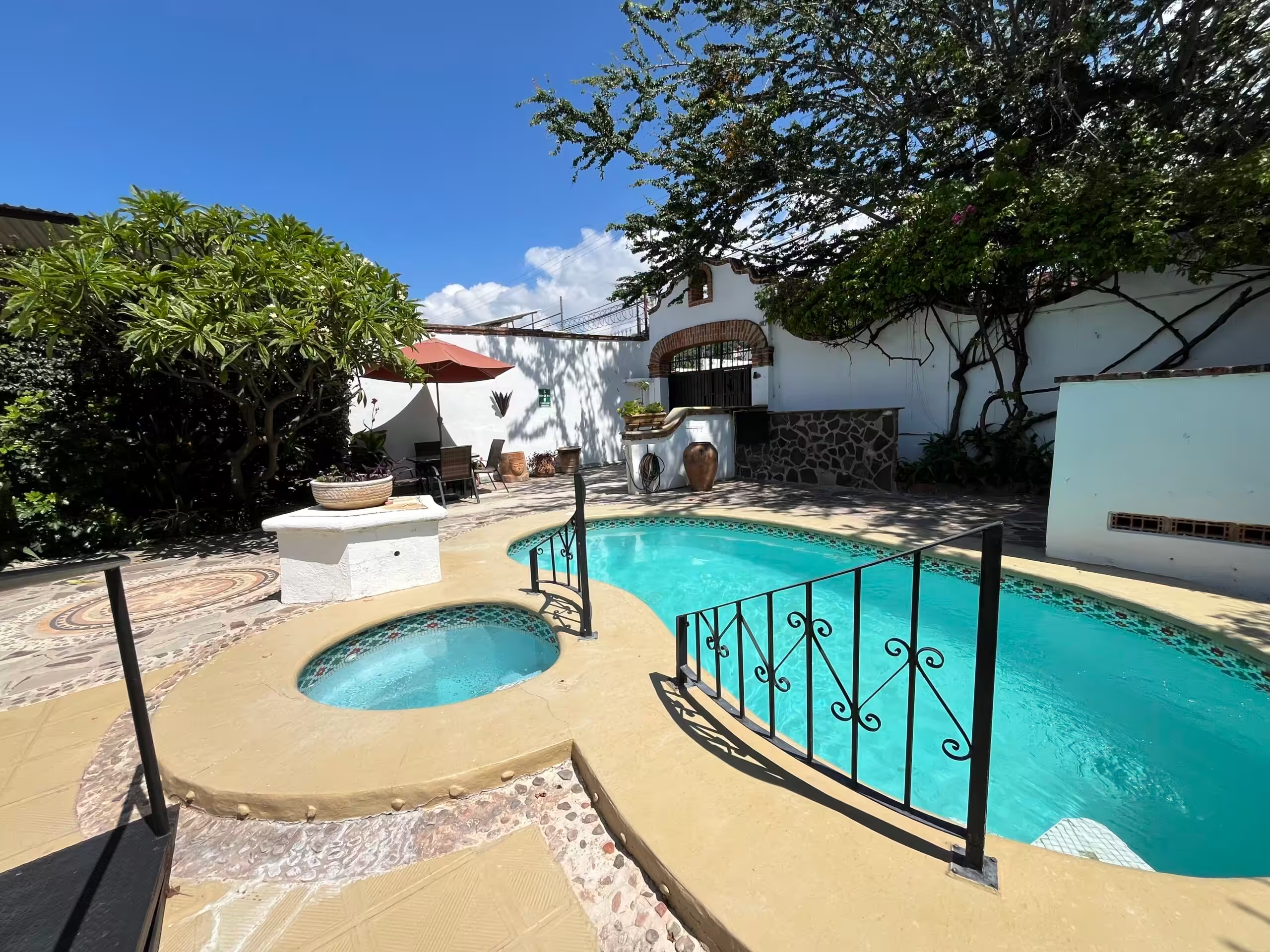
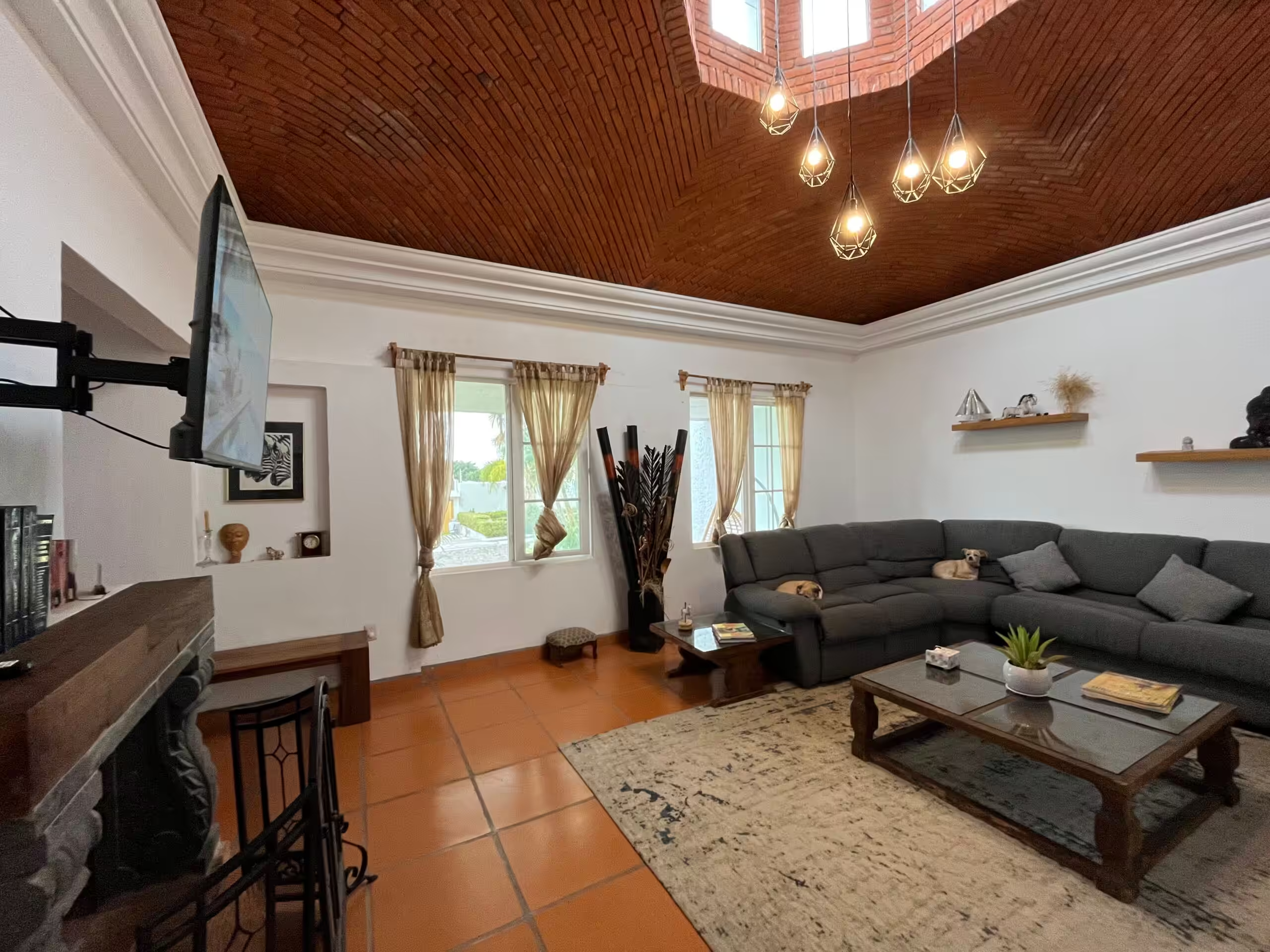
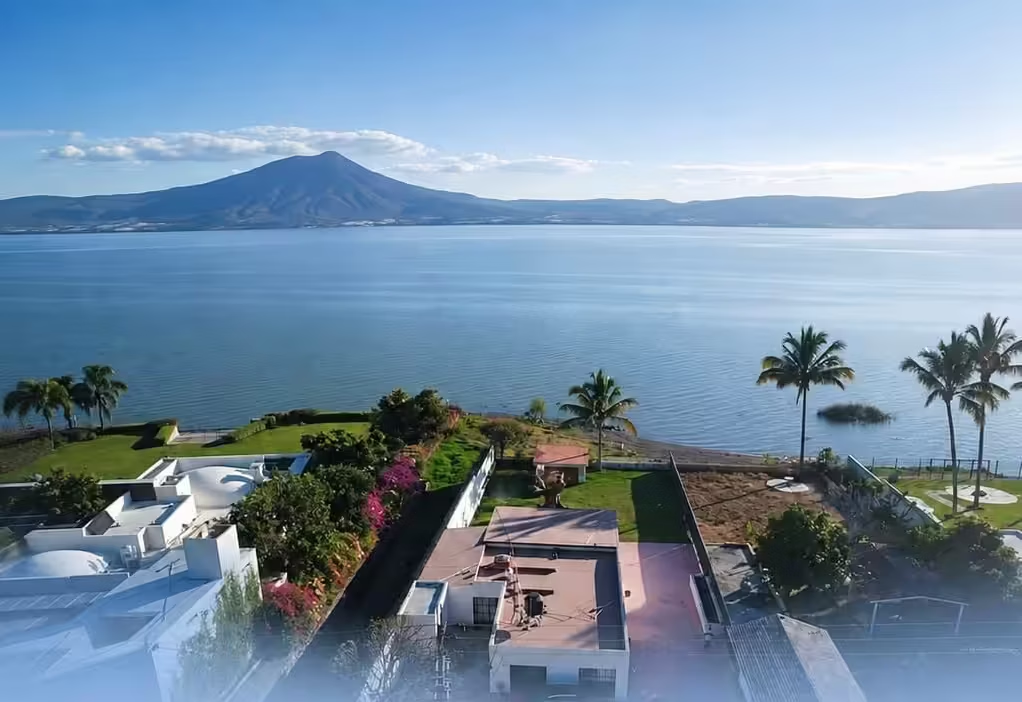
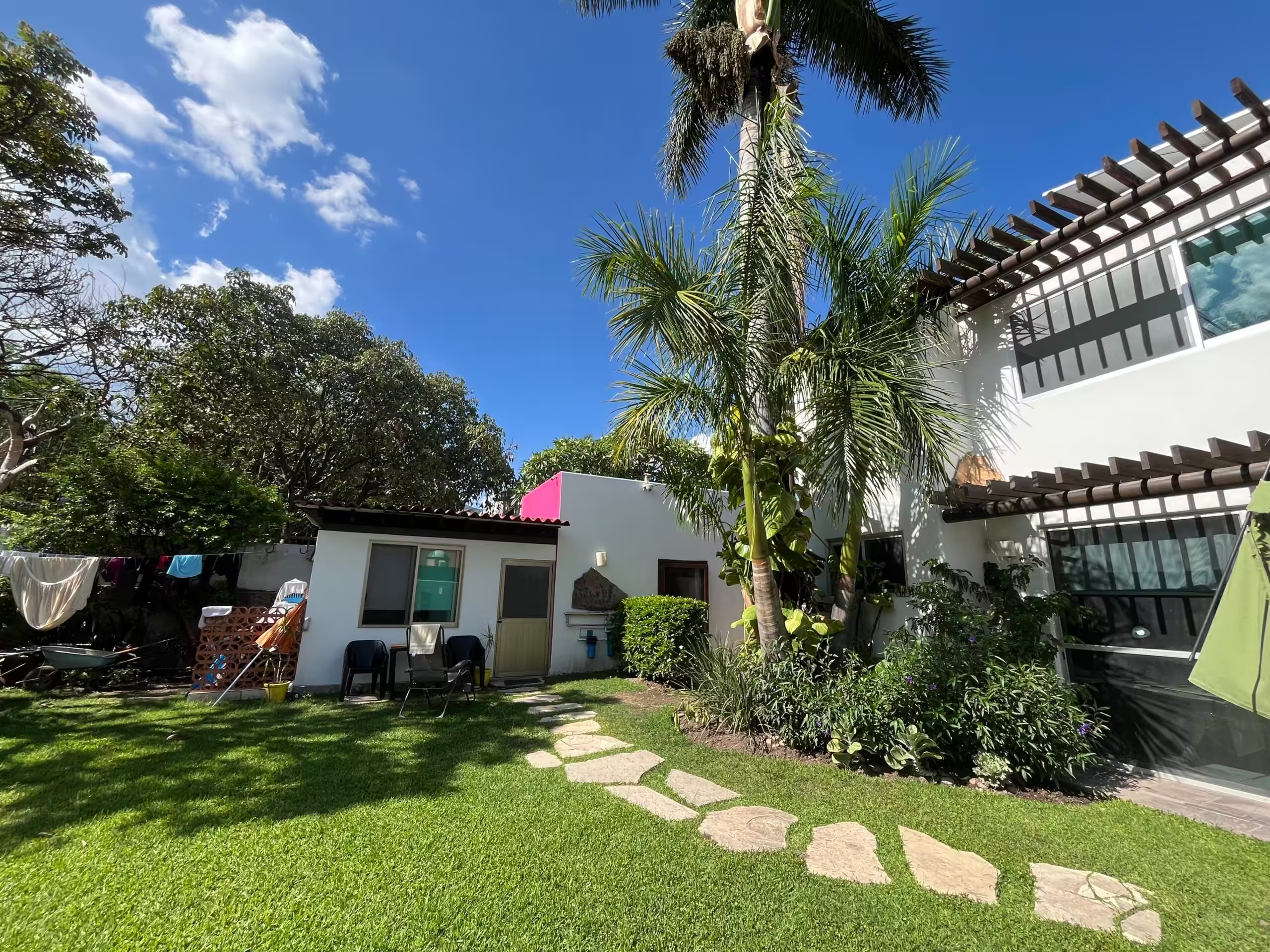
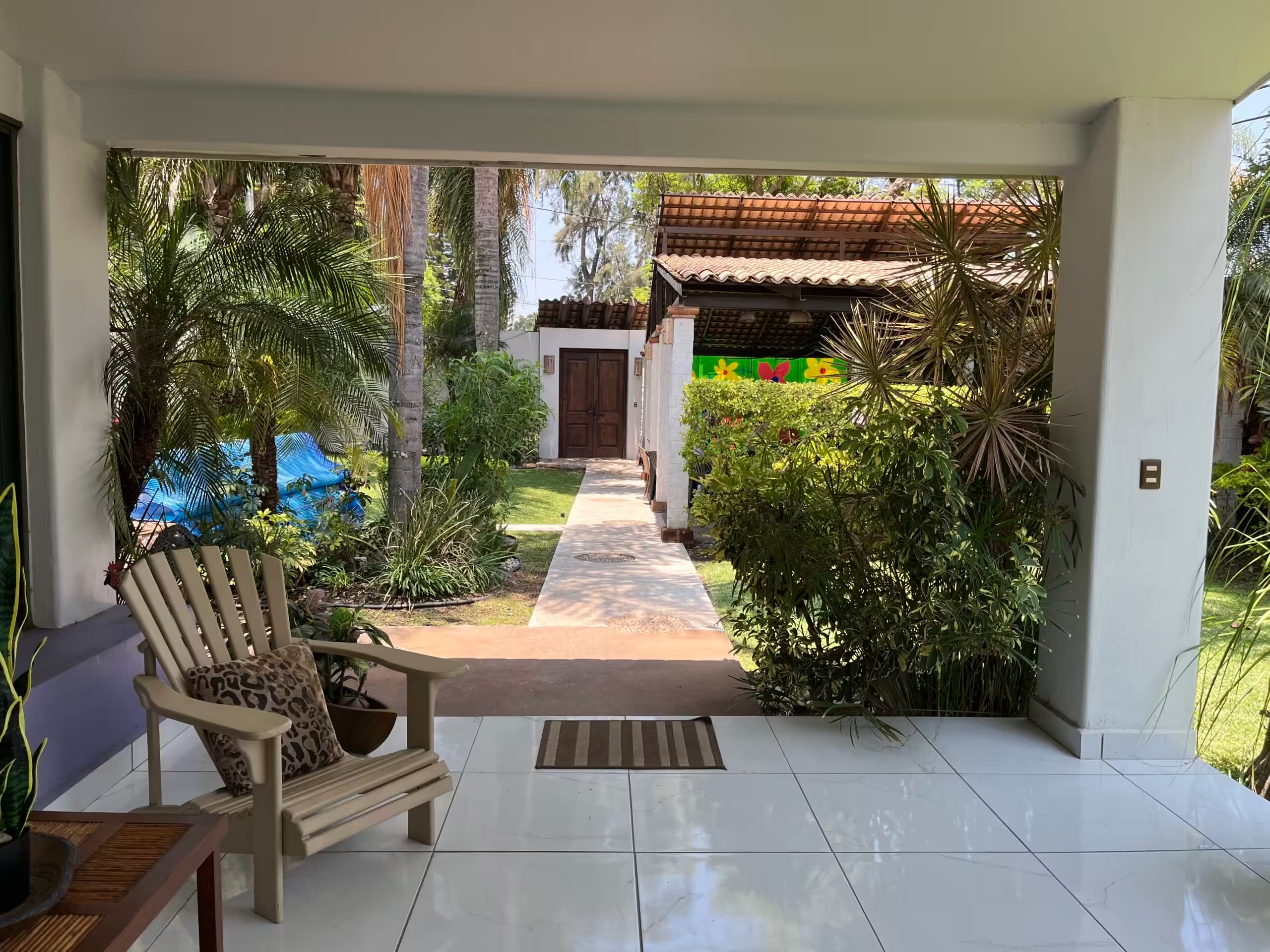
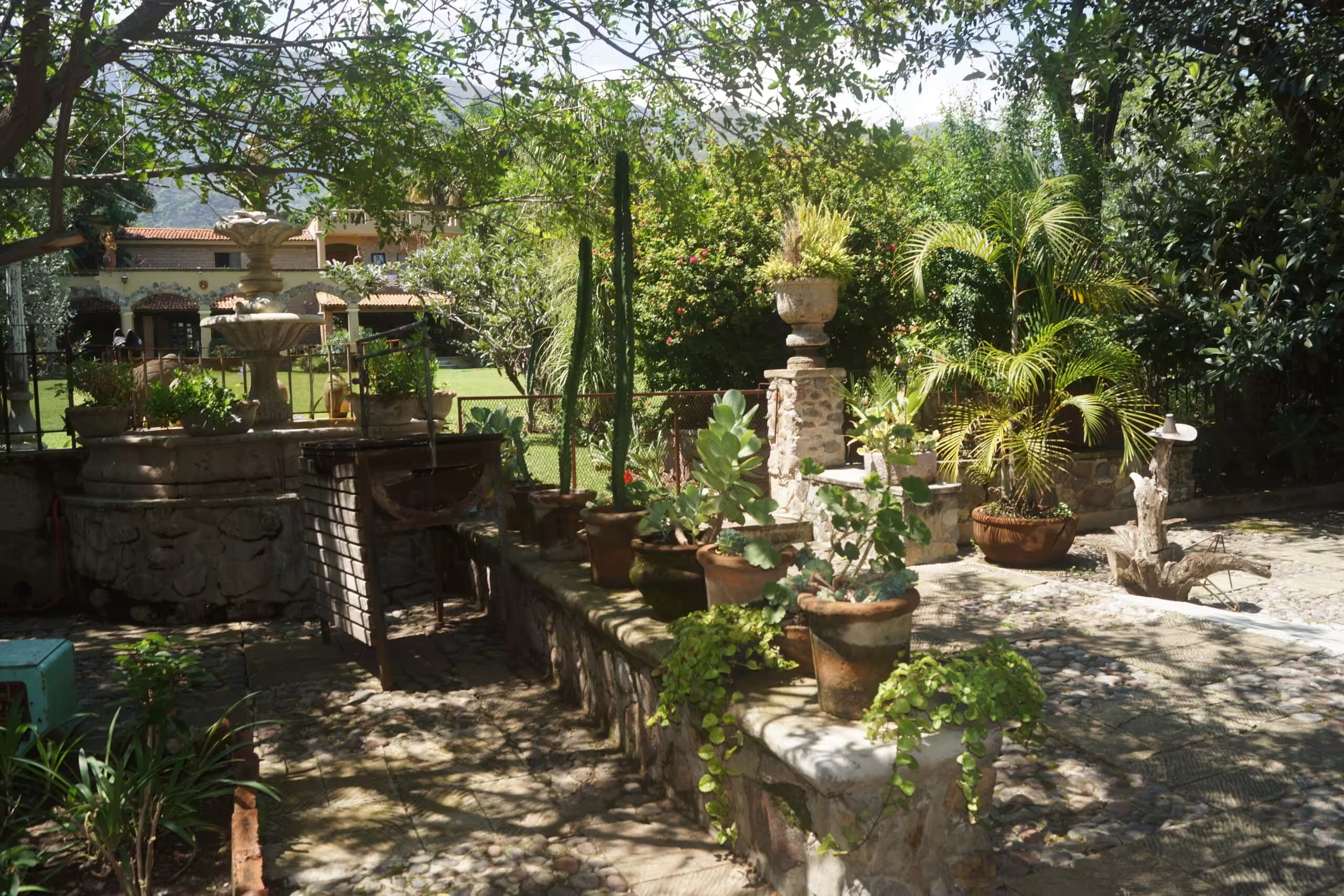
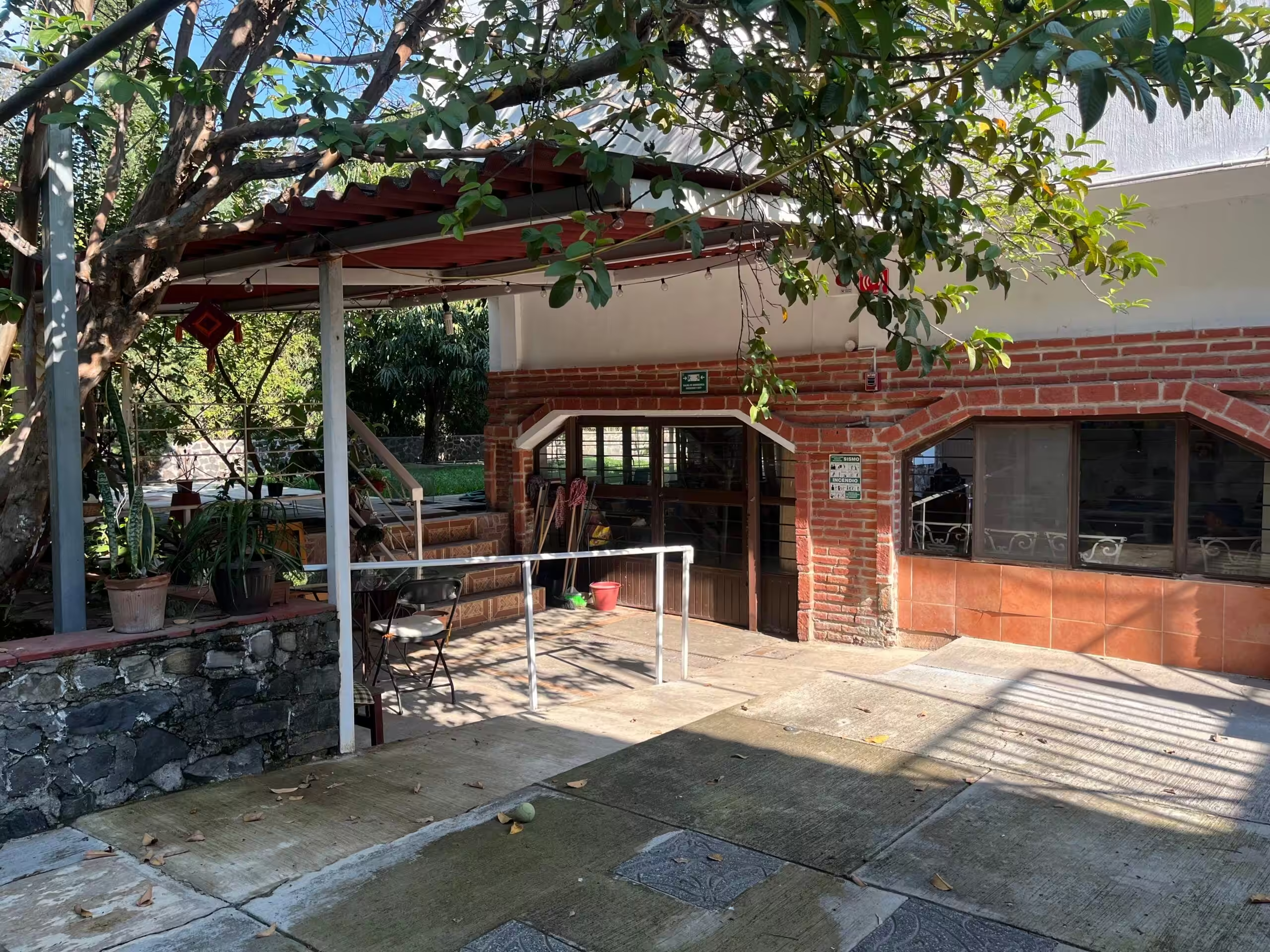
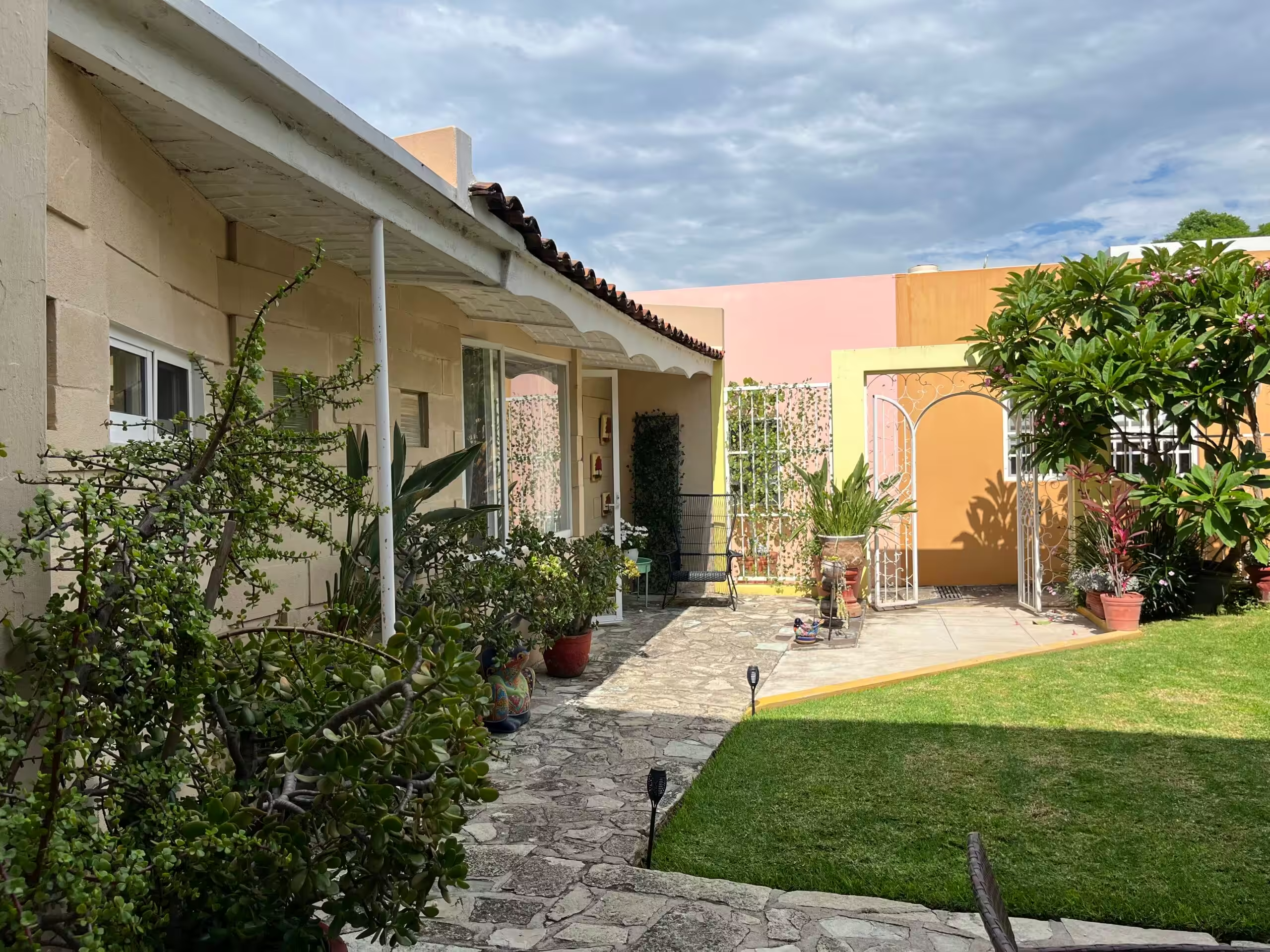
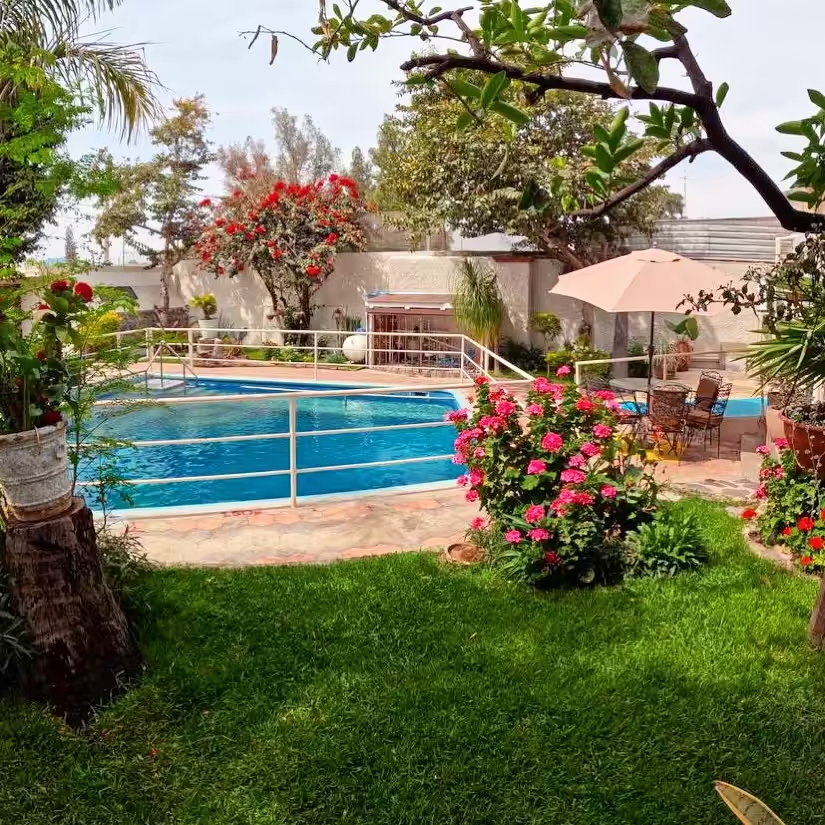
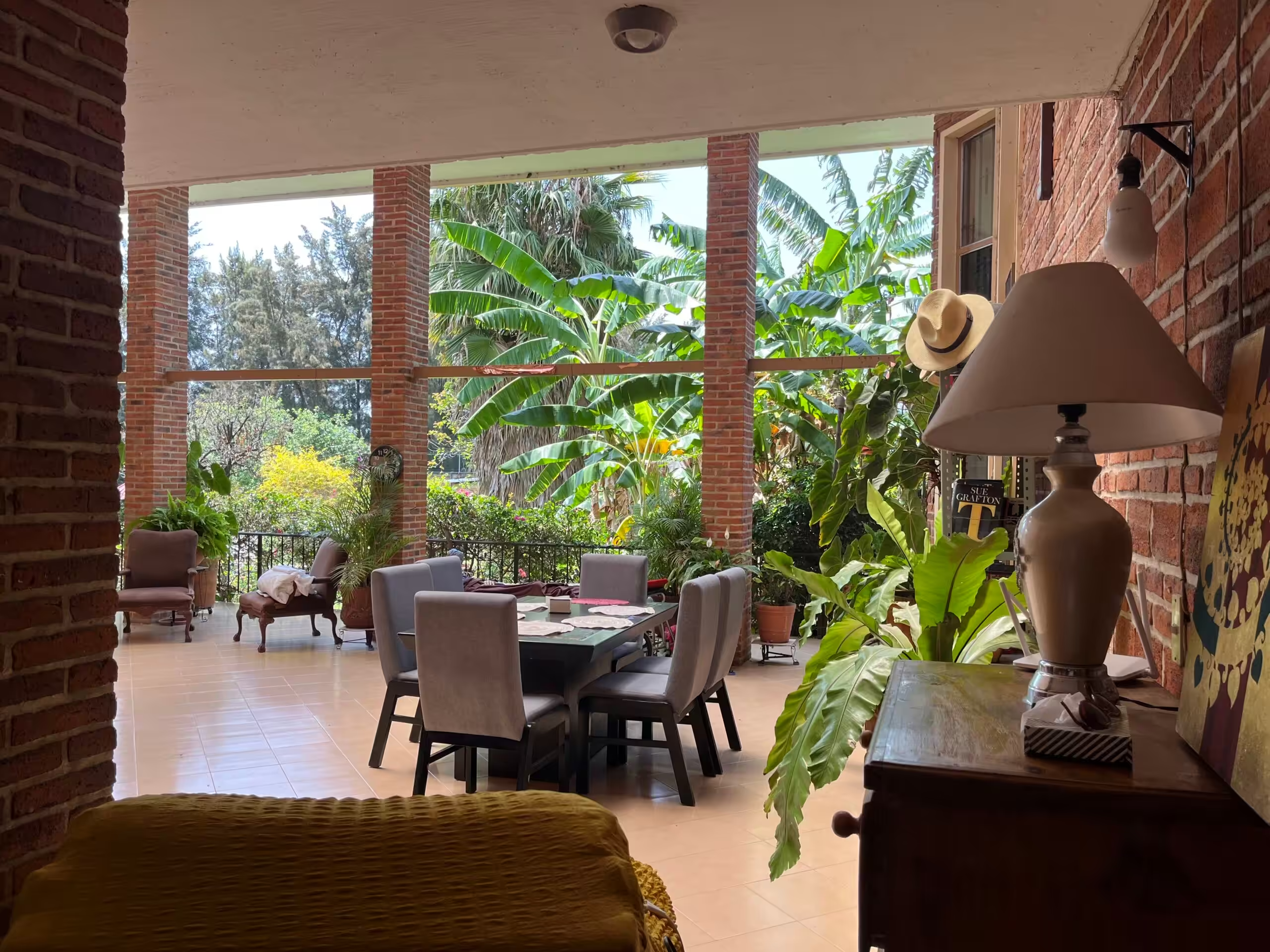
The Lake Chapala area offers a diverse selection of senior living options, including assisted living facilities, retirement communities, and nursing homes spanning from Jocotepec to Chapala. Our guide highlights the most established and reputable residences. With over 30 trusted options, these facilities range from independent living for healthy seniors to full personalized care, including specialized services such as dementia and palliative care, all emphasizing a family-like community atmosphere.
Independent living in Lake Chapala
Independent living barely exists as a category in most of Mexico, where senior housing has traditionally meant a basic asilo. The communities around Lake Chapala are different because expats built them, bringing the kind of active, wellness-focused retirement living they knew from the US and Canada, and they remain some of the only true independent living communities in the country.
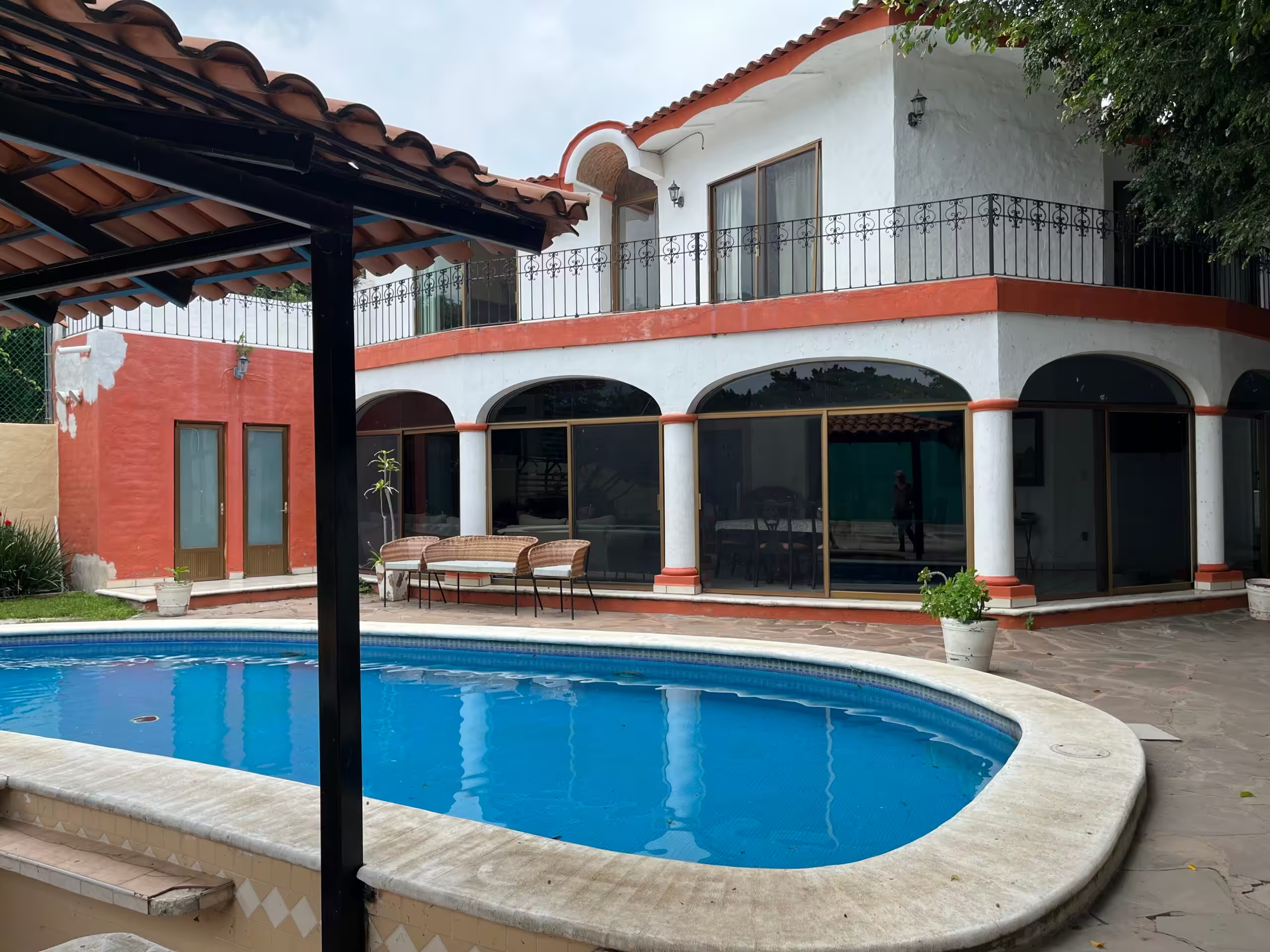
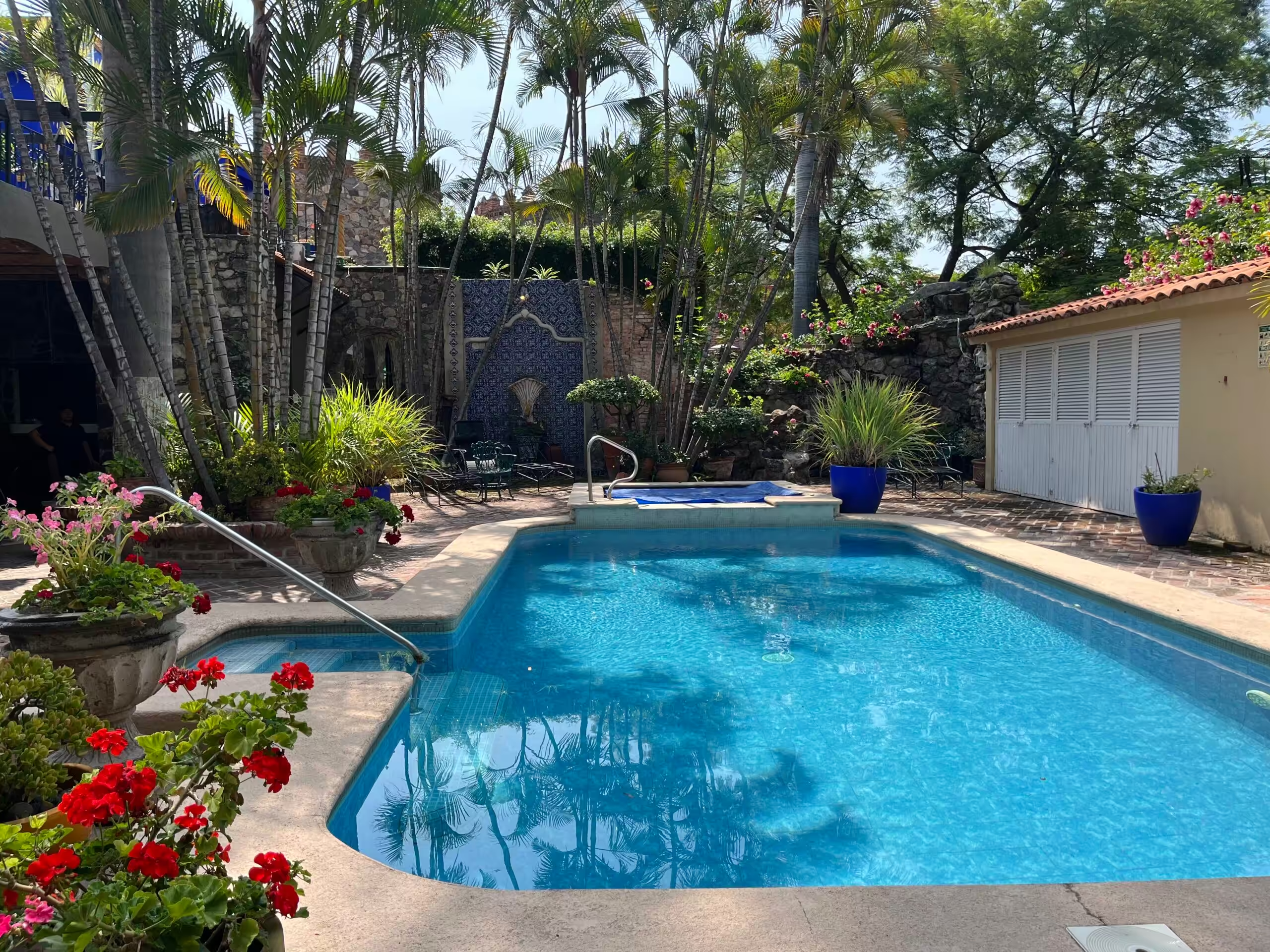
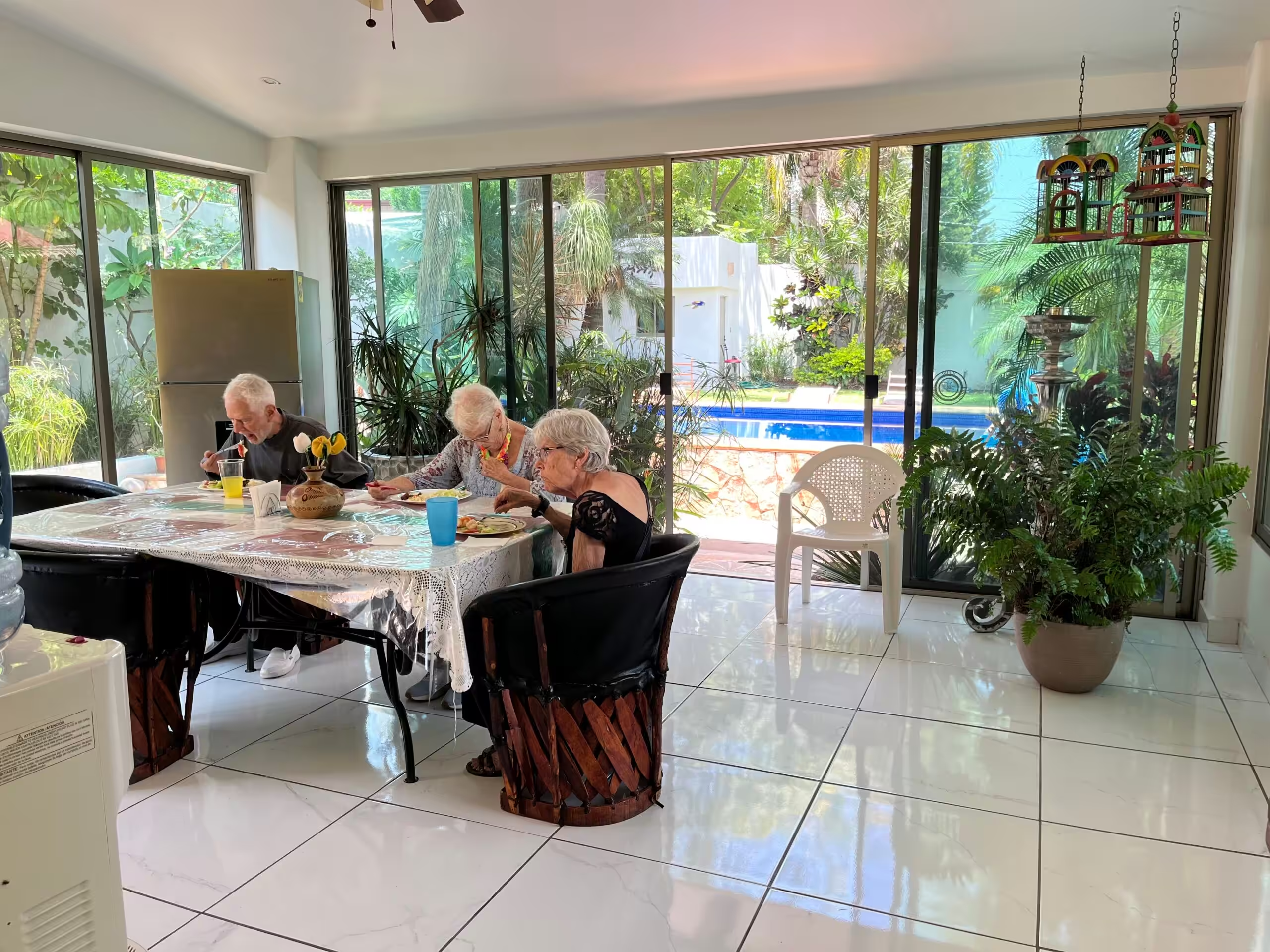
Homes like Living in Community and Namaste Village are designed around connection and wellbeing for active adults 60 and over: private casitas, studios, and apartments with your own kitchen, shared meals in the garden, a pool, yoga and morning sessions, live music, and neighbors who care for each other. It is retirement built around aging well and belonging, where you keep your own routine and independence with the reassurance that someone is always close by.For seniors who are still healthy and self-sufficient but want the meals, community, and convenience of a residence. These homes usually don’t keep a nurse on-site, so it is worth asking what happens if care needs change down the line.
Assisted living in Lake Chapala
Assisted living is for seniors who are still doing well mentally and physically but are starting to need a hand day to day, whether that’s some loss of mobility or very mild memory changes. Staff handle laundry, cooking, and keeping both the common areas and your room clean, give medication reminders when needed, and offer a little support with showering, dressing, or using the bathroom for those who want it.
In Mexico it tends to feel less like being watched over every minute and more like the reassurance that support and care are there the moment you need them. Homes like Casa Zoe Community, Casa Ana Maria, Colibri Orange, and Casa Sonya, usually with just 5 to 15 residents.
One thing worth knowing about Lake Chapala is that many homes blend levels under one roof, so a residence may offer assisted living alongside nursing or memory care. That means residents can age in place and don’t have to move if their health declines and they come to need more care.
Nursing homes in lake Chapala
Nursing care in Lake Chapala is a little more layered. As mentioned above, nursing and assisted living often overlap in the same home, and because these are small communities, there are daily routines but the care each resident gets is shaped around what they actually need. Staffing models vary from home to home: some are run by enfermeras auxiliares (auxiliary nurses trained in hands-on care), some keep a supervising registered nurse who guides a team of auxiliaries, and in others most of the caregivers are licensed nurses. Many also arrange doctor check-ups weekly or monthly.
Here we pay attention to whether there are licensed nurses on every shift, a doctor on call, and a current sanitary license (licencia sanitaria) for that level of care. You can filter our directory for nursing homes around Lake Chapala.
Memory care in Lake Chapala
Advanced memory care in Lake Chapala usually falls under nursing care, because as Parkinson’s, dementia, or Alzheimer’s progress, a person may no longer recognize family, grow disoriented or prone to wandering, and need help with eating, dressing, bathing, and moving safely, along with supervision around the clock.
Good memory care homes keep residents engaged with gentle, structured activities like art and music classes, light exercise, and other cognitive stimulation that keeps the mind active and the day calm and predictable. But the best memory care homes are the ones instead of doing everything for a resident, they invite them to keep taking part in daily life, setting the table, folding napkins, watering plants, even when the task doesn’t get finished perfectly, because staying involved protects a person’s sense of purpose and keeps their remaining abilities in use.
Two homes that stand out to me for this are Casa Sonya Care in La Floresta and El Chante in Jocotepec, both still fully secured so residents can’t wander. For other options, you can filter our directory for memory care homes around Lake Chapala.
Convalescent and temporary stays in Lake Chapala
Not every stay is permanent. After surgery, a fall, or a hospital discharge, many seniors just need a safe place to recover for a few weeks, with staff on hand for medication, wound care, and getting back on their feet. This matters even more at lakeside, because a lot of retirees live here on their own, with family in another city or another country, and may not have built much of a support network yet. A short convalescent or post-operative recovery stay gives you round-the-clock help until you’re steady again, and then you go back home.
Many nursing homes in lake Chapala help with is respite care. Sometimes a senior has just one caregiver, often a partner, with no one to step in as backup, so that caregiver ends up putting off trips back home or visits to friends and family for years. There are homes in the area that take temporary residents for exactly this, looking after your loved one for a few weeks while you’re away, with the same care they’d get as a full-time resident.
Why Retire in Lake Chapala for Senior Care
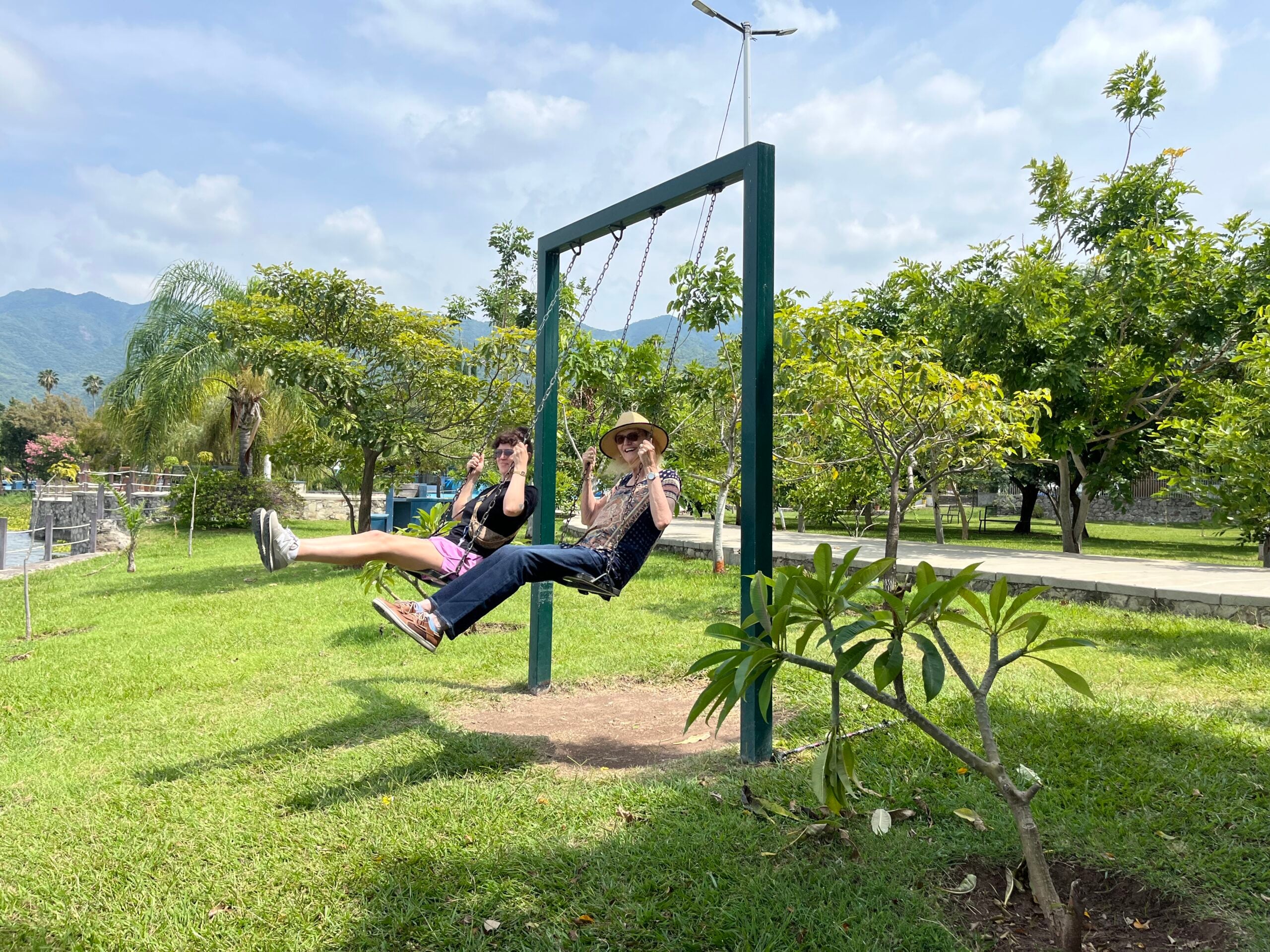
Lake Chapala has the most complete range of senior care in Mexico outside a major city. In most of the country independent living barely exists and options are limited to basic asilos. Here you find the full continuum: independent living, assisted living, nursing homes, memory care, and in-home care, built for foreign retirees, with bilingual staff, familiar food, and the warmth Mexican culture brings to caring for elders.
Mild temperatures and low humidity year-round make a real difference in daily comfort for seniors with respiratory conditions, arthritis, or cardiac concerns. Ajijic’s centro is walkable and the lakefront malecón is flat and paved, one of the more accessible spots for a daily walk.
English is widely spoken across the area, so care and doctor visits happen without needing Spanish. Whether you’re looking for yourself or for someone you love, you’ll find vetted staff minutes from full-service local hospitals, several of which accept some international insurance for emergencies.
Climate and Weather at Lake Chapala
Lake Chapala sits at about 1,500 m (4,900 ft), which gives it one of the most temperate climates in Mexico. Days are warm and evenings cool year-round, with daytime highs mostly in the 70s to mid-80s °F and no extreme heat or cold.
For seniors, the mild climate is the real draw, and many find the dry-season air easier on arthritis and breathing. The one caveat is the altitude: most people adjust within a day or two, but anyone with a serious heart or lung condition should check with their doctor before moving.
Humidity is low through the long dry season, roughly November to May, often around 35 to 45 percent. It climbs during the June to October rains, reaching about 75 to 80 percent at the late-summer peak, though the rain falls in short afternoon bursts and mornings stay sunny, far milder than the humidity of coastal Mexico.
Is Lake Chapala the Right Fit
Lake Chapala tends to be a good fit for seniors who want:
- A calm, close-knit, English-speaking community
- Mild, spring-like weather that is easy on joints and breathing
- The full range of care: independent living, assisted living, nursing, and memory care
- Full-service local hospitals with 24-hour emergency, ICU, and surgery, plus bilingual doctors and a large caregiver pool
- Lower cost of care than the US, Canada, or coastal Mexico
Lake Chapala is less ideal for retirees that
- Someone who needs completely flat, paved streets, many lakeside streets are cobblestone
- Have a heart or lung condition doesn’t do well at altitude, Lake Chapala sits at about 1,500 m (4,900 ft)
- A beach or coastal setting, the lake is not for swimming
- A lively urban scene with lots of nightlife and dining variety
Ajijic & Lake Chapala Neighborhoods
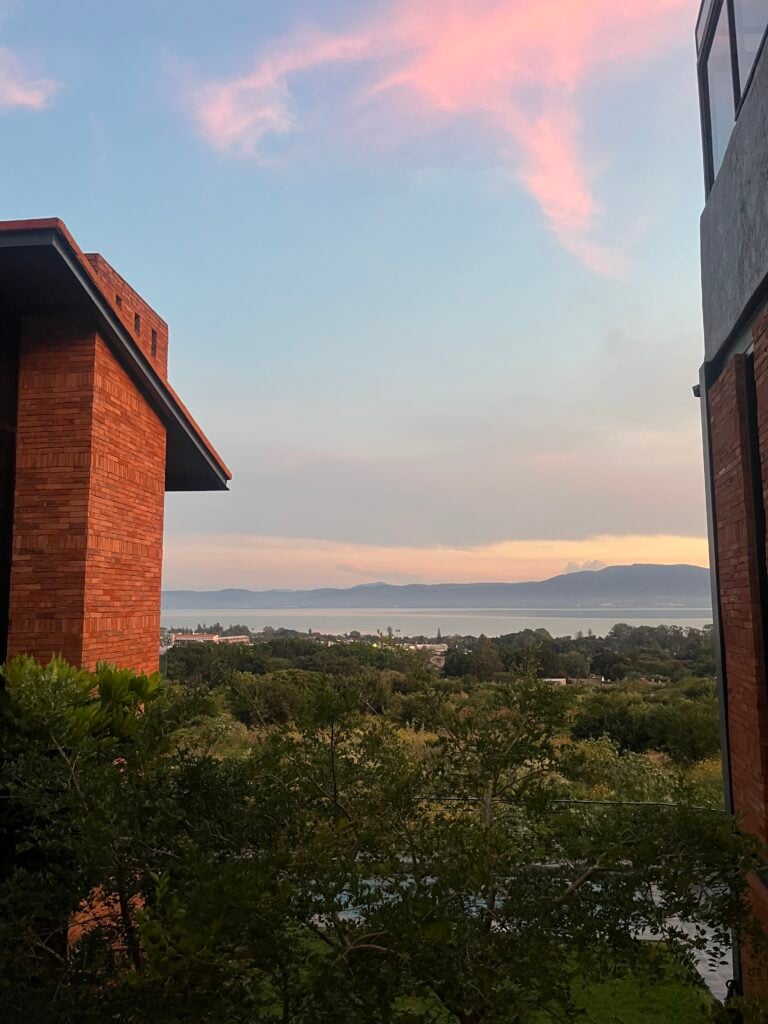
The Lake Chapala retirement area spans a stretch of the lake’s northern shore and includes several distinct towns and neighborhoods, each with its own character.
Chapala: The largest town in the area, about 10 minutes east of Ajijic, with a lakefront malecón, local market, and full commercial infrastructure. Less expat-focused, but more affordable, with good basic services. Some retirees prefer its authenticity. Homes here: Villa QQ, independent living steps from the malecón.
Riberas del Pilar: A residential stretch between Ajijic and Chapala, with several senior homes and English-language churches. Quieter than the centro, with a mix of paved and cobblestone streets. Homes here: Casa Dragonfly, Buhayra Living, Nursing Home Lake Chapala, Living in Community, Casa Nostra.
San Antonio Tlayacapan: The area’s care hub. It holds several senior homes and the main hospitals, so medical help is minutes away. Homes here: Loving Care, Casa Sonya Living, Mi Casita, Rudy and Magda’s, and more.
Upper Ajijic (above the carretera): The highway that runs along the lake divides Ajijic into the lower village and the upper residential areas. Properties above the carretera tend to be quieter, more modern, and in some cases gated. Less walkable than Centro, but practical for seniors who live independently in their own homes.
La Floresta: A residential neighborhood in Ajijic with a mix of Mexican and foreign homeowners. More modern than the centro, with decent cobblstone streets and a quieter feel. Popular with retirees who want to be close to Ajijic’s amenities without being in the centro itself. Homes here: Casa Zoe Community, Casa Zebra, Casa Sonya Care, Alicia’s Convalescent, and more.
Ajijic Centro: Walkable plaza and a flat, paved lakefront malecón, one of the more accessible spots for a daily walk. Most centro streets are cobblestone, which matters for walkers and wheelchairs. Homes here: Casa Zoe Care, Namaste Village.
West Ajijic: The western edge of the village, past the centro toward San Juan Cosalá. More residential and quieter than the centro, and generally easier to get around than the cobblestone streets of Ajijic Centro. Homes here: Casa Ana Maria, Colibri Orange.
San Juan Cosalá: A small village west of Ajijic, known for its thermal hot springs. Very quiet, few services, and best suited for retirees who want seclusion and own a car or don’t go out much. Homes here: Colibri Blue, Casa Calma, Ohana.
Jocotepec: At the western end of the lake, Jocotepec is the most local and most affordable of the lake towns. It has a small but growing expat presence, and some retirees choose it specifically for lower costs and a more immersive experience. Limited English-language services. Homes here: El Chante.
Ixtlahuacán de los Membrillos: A bit farther out, north of the lake toward Guadalajara, but still within reach of the lakeside area. Homes here: Shila’s House, the most affordable bilingual option.
The Cost of Senior Care
A senior home’s monthly fee usually bundles room, care, meals, and utilities into one price, per person. What you pay depends mainly on the level of care, the type of accommodation (from a shared room to a private room, a studio or suite, or a full apartment), how boutique or concierge the service is, and whether care is provided by licensed nurses or by trained caregivers. The figures below are starting prices, in USD per month.
- Independent living, from about $1,550: for healthy seniors who mainly want community and convenience. Expect basic housekeeping and some meals included; laundry and extras may cost more, and these homes usually do not have nurses on-site for medical emergencies.
- Assisted living, from about $1,600: help with daily tasks like bathing, dressing, and medication, with staff on hand throughout the day.
- Nursing and memory care, from about $1,750 up to $2,600: around-the-clock medical care, including care for Alzheimer’s and dementia. A few smaller, simpler homes start lower, around $800 to $1,050.
These are starting prices. Always check with the home for a quote for your specific situation, because rates vary with the level of care, the room size, and the services included. Some homes charge extra for things like diapers or transportation to medical appointments, while others include them. Our team is also happy to give you honest recommendations and a clear price breakdown on a free call.
Costs for in Home Care and In-Home Support
Not everyone needs, or wants, to move into a facility. Around Lake Chapala there is a growing range of care that comes to you at home. In-home nursing runs around $1,000 USD per month depending on hours and level of support.
In-home nurses and caregivers
- Dedicated home-nursing services staffed by licensed nurses, such as Vital Comfort Care (333 968 1797 / 331 774 8803) and Casa del Ángel, which covers older adults and post-surgical recovery (331 009 9947).
- Several of the senior homes we list also offer in-home care alongside their residence, including Casa Dragonfly, Mi Casita, and Casa Zoe.
Concierge and daily-living support
For seniors who cannot get out much, help goes beyond the medical: technology, grocery shopping and delivery, errands, transportation to appointments, and companionship. Grocery and meal delivery is well established at lakeside, and the Lake Chapala Society and local expat groups are good places to find current, vetted help.
Not sure whether a home or in-home care is the right fit? Talk to us free and we’ll help you compare.
Paying for Care
Paying the monthly fee: most families pay in cash or by international bank transfer. Very few homes take credit cards, and none accept US or foreign insurance to pay a nursing home directly, so care is paid out of pocket. Ask each home which currency it bills in and what payment methods it accepts before you commit.
Deposits and contracts: some homes ask for a deposit to hold a room, though very few charge a large amount up front. Either way, read the contract before signing to see what is due and when, what happens if care needs or dates change, and ask for a receipt or factura for each payment for your records.
Currency: homes usually bill in pesos, so keep an eye on the exchange rate if you are paying from abroad, since a swing can change what the same fee costs you month to month.
Moving money from abroad: services like Wise and Revolut transfer funds at better rates than banks, which matters for a recurring monthly payment.
Local banking and ATMs (for an independent senior or a child living here): Mexican banks like BBVA and Santander require a CURP and residency to open an account; ATMs work but have low limits and foreign-card fees.
If someone else manages the money: when an adult child or relative pays and handles things from a distance, it helps to set up a power of attorney so they can act on the resident’s behalf.
Healthcare and Hospitals at Lake Chapala
When we asked expats around the lake how they handle healthcare, a clear pattern came up. For everyday needs, like a specialist visit, lab work, or medication, most simply pay out of pocket, because private care here is affordable enough that it is often cheaper than filing a claim. At the same time, many keep their home-country coverage, such as US Medicare, for care back home, since Medicare does not pay for treatment in Mexico except in a few narrow situations that do not apply to full-time residents. Some also add an international or expat health plan that covers them in Mexico for bigger events.
One practical thing to know: Mexican private hospitals often ask for a deposit before they begin treatment, and insurance usually reimburses you afterward rather than paying the hospital directly. Keeping some emergency funds within reach can save stress if something urgent comes up.
Finding a doctor or specialist in Lake Chapala
For a specific specialist, such as a geriatrician or psychiatrist, search Doctoralia (Mexico’s main doctor directory, with reviews and online booking) or ask for current recommendations in the local expat Facebook groups.
A private consultation typically runs about $50 to $75 USD for a specialist, and less for a general doctor, well below what an equivalent visit costs in the US or Canada. Because doctors and their availability change, we do not keep a fixed list.
Some assisted living and nursing homes include regular doctor’s visits; you can browse homes that offer preventive checkups.
For rarer specialties, some specialists visit the lakeside regularly, and Guadalajara are about an hour away.
Local Hospitals and Clinics
Hospital San Antonio del Lago de Chapala — Hidalgo 23, San Antonio Tlayacapan, across from Chula Vista Country Club. Open since 2019. The hospital lists a 24-hour emergency room, ICU, operating rooms, imaging (CT, MRI, ultrasound, X-ray), lab, a catheterization unit and hemodialysis, and more than 15 specialties, with bilingual staff. It also advertises acceptance of many international insurers, including Aetna, Cigna, Blue Cross Blue Shield, Kaiser Permanente, United Healthcare (AARP), and Medicare Advantage, subject to prior authorization and your policy terms. Phone: +52 376 689 0911.
Joya Hospital Chapala (formerly Ribera Medical Center) — Libramiento Chapala–Ajijic, Riberas del Pilar. In 2026 the former Ribera Medical Center was acquired by Grupo Médico Joya, a private hospital chain based in Puerto Vallarta, and rebranded. It offers an emergency room with board-certified emergency and critical-care specialists, ICU, surgical suites, imaging, and lab. As part of a private chain it tends to run pricier, and since the change is recent, confirm current services and costs directly.
Hospital Clínica Ajijic — Carretera Oriente 33, Ajijic. A smaller local hospital with 24-hour emergency service, lab, X-ray, hospitalization, and consultations across several specialties (cardiology, orthopedics, ophthalmology, gynecology, urology, ENT, and more). Phones: +52 376 766 0662 / +52 376 766 0500. (It has no website; Facebook is its main channel, and some report its phone lines are occasionally down, so try both numbers.)
Lakeside Medical Group — Hidalgo 148A, San Antonio Tlayacapan. Not a hospital, but the most established primary-care and specialist group for expats, offering primary care, specialist referrals, lab and diagnostic coordination, and 24-hour emergency coverage. Phone: +52 376 766 0395.
For an emergency, the Cruz Roja (Red Cross) in Chapala, at Av. González Gallo 1, Chapala Centro, runs a 24-hour ambulance and emergency response and does not charge for it, even if they have to transport you to Guadalajara. Ambulance and emergencies: +52 376 765 2308, or dial 911. It runs on donations, so many residents contribute or keep its number handy.
Mexico’s public system, IMSS, has a family clinic in Chapala Centro (Av. Estación 95). Foreign residents can enroll in IMSS voluntarily for a modest annual fee, though it covers only IMSS facilities, has waiting times, and excludes some pre-existing conditions. Most expats use private hospitals and insurance, but IMSS is a low-cost backstop worth knowing about.
Getting Around Lake Chapala
Getting around looks different once driving is off the table, so it is worth asking each senior care home exactly what it provides. Some include transportation in the monthly fee: a set number of trips per week or month, group outings to the supermarket, the malecón, or the cinema, and rides to doctor’s appointments or to a class, a sport, or Rotary for residents who still go. Others keep a trusted driver they can call, though the cost falls to the resident, and many charge extra when a caregiver needs to go along, which is common at higher levels of care.
Getting around locally: many residents use mobility scooters along the flat lakefront bike path, and some keep a golf cart for small errands on the cobblestone streets, though golf carts are not allowed on the highway.
Getting around locally: many residents use mobility scooters along the flat lakefront bike path, and some keep a golf cart for small errands on the cobblestone streets, though golf carts are not allowed on the highway.
Taxis: widely available, with fares fixed by destination, and are a reliable option for anyone who does not drive. Private shuttles and taxis also run to the Guadalajara airport, about an hour away, for family visits.
Public transport: local buses are not built for limited mobility, and wheelchair-accessible taxis or vans are scarce compared with what you may be used to back home. For anyone who no longer drives, the practical options are the home’s own transport, a regular taxi, or a private driver.
Senior Life, Activities, and Support
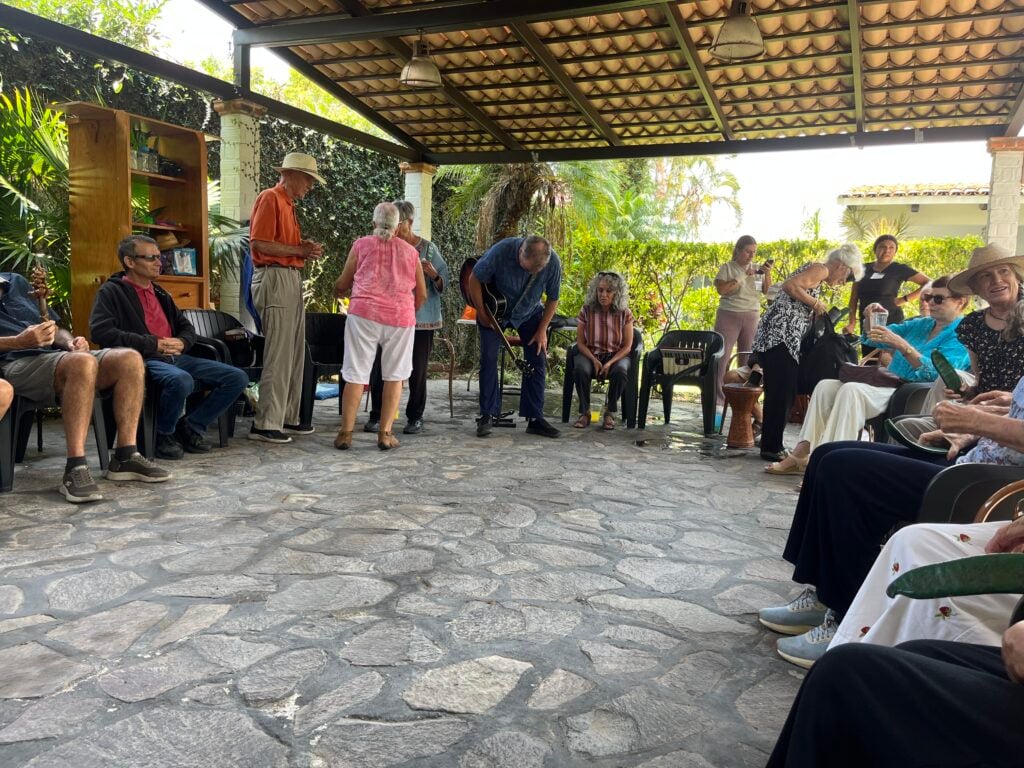
The Lake Chapala area has one of the largest and most organized English-speaking communities in Mexico, and for a senior that means an unusual amount of activity, connection, and support, much of it built around aging and care.
Memory Care and Dementia Support
Lakeside DayBreak Dementia Support is a bilingual nonprofit founded by local resident Elly Contreras after her own husband’s diagnosis. It offers education, support groups, day programs, and respite care for people living with dementia or Mild Cognitive Impairment and for the families and caregivers around them, using a Montessori-inspired approach that focuses on ability and dignity. It also runs community events like Magical Music Wednesdays at Casa Sonya. The same founders are developing Lakeside Memory Neighborhood, a planned small-scale, home-like memory care community.
Wellness and Activities at the Care Homes
Several senior care homes run their own programs. Namaste Village hosts an interfaith service every Sunday, and Casa Zoe Community offers wellness classes like tai chi and yoga, along with massage, live music, and workshops. Many homes also mark the moments that matter, celebrating birthdays, Thanksgiving, Día del Abuelo, and other occasions, often inviting residents’ families to join. If that kind of social life matters to you, you can see which homes host in-house social events in our directory.
The Lake Chapala Society also runs aging-well classes, including a recurring two-session Advance Care Planning course, “Living Well and Dying Well,” taught by end-of-life specialist Loretta Downs (MA, CSA). It covers advance care planning in a Mexican context, the essential legal documents and healthcare decisions, building a support system, and having those conversations with the people you love.
Lakeside Clubs and Service Organizations
Lake Chapala Society (LCS): The central hub of expat life in Ajijic, offering a library, restaurant, gardens, free WiFi, and nearly 60 ongoing classes and activities ranging from fitness and Spanish classes to legal and financial counseling. Located in Ajijic centro near the Malecón.
The Rotary Club of Ajijic and Chapala Sunrise Rotary Club: service clubs focused on local community projects, from scholarships to clean-water access, for anyone who wants to volunteer.
American Legion Chapala: This group serves as a community hub for American veterans and their families, offering camaraderie, support, and social activities.
Beyond service clubs, the area has dozens of active hobby groups, arts organizations, hiking clubs, language exchanges, and volunteer programs. The LCS bulletin board and local Facebook groups are the most practical ways to find current events and groups.
Faith and Churches in Lake Chapala
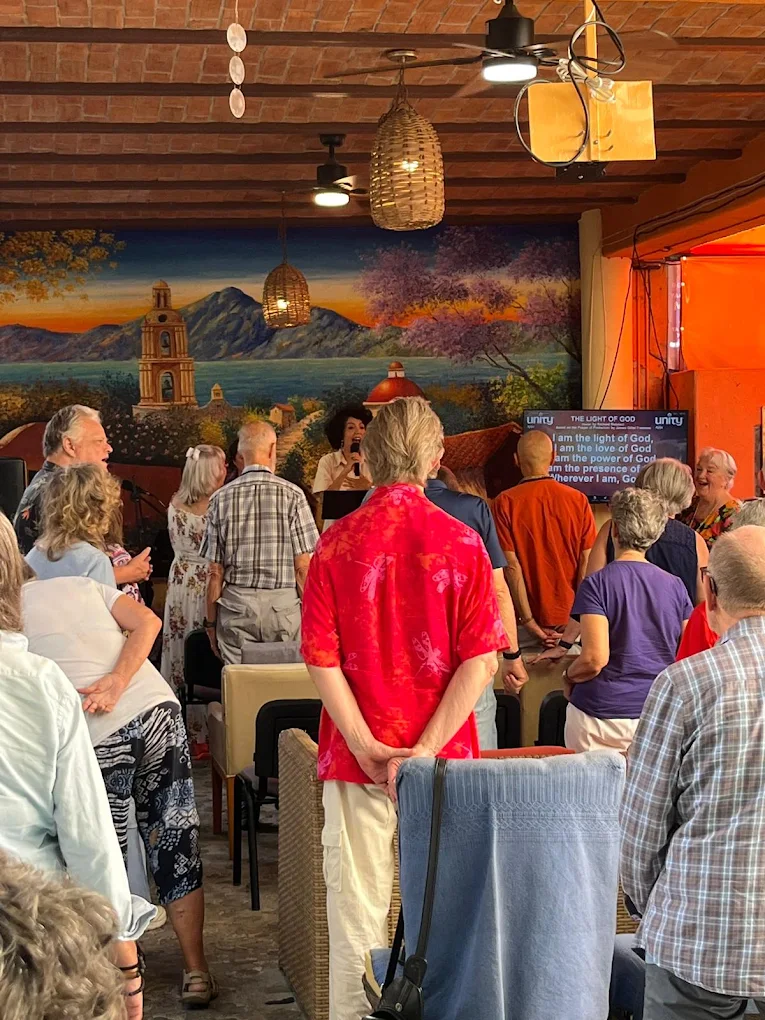
Several English-language and bilingual churches serve the expat community in the Lake Chapala area:
- Unity Namaste of Ajijic — an interfaith spiritual community drawing from a wide range of non-dual teachings and traditions. Sunday services in English at noon at Namaste Village, Angel Flores 5, Ajijic. Also available via Zoom.
- St. Andrew’s Anglican Church — Sunday Holy Eucharist at 10:00 AM. Located in San Lucas 19, Ríberas del Pilar.
- Lakeside Presbyterian Church — Sunday English-language worship at 10:00 AM, currently meeting at Lake Chapala Real Estate, Constitución 26, Ajijic Centro. You can watch the service recording on their YouTube channel afterwards.
- Abundant Life Church — Sunday service in English at 10:30 AM, with English adult Bible study on Wednesdays at 11:00 AM. Located at Hidalgo 140, San Antonio Tlayacapan. If you cannot make it in person, watch the service online here.
- Lake Chapala Baptist Church — Sunday School – 9:30 AM, Sunday Service – 10:45 AM, Bible Study – Tuesdays 10:00 AM, Prayer Group – Tuesdays 11:00 AM, Located at Sta. Margarita 147, Riberas del Pilar.
San Andres Apostol Parish — English Catholic Mass on Sundays at 9:00 AM at Marcos Castellanos 14, Ajijic, with coffee and donuts on the second and fourth Sunday of each month.
Facebook Groups and Online Communities
These groups are active sources of information, recommendations, and community connection for expats and retirees in the Lake Chapala and Ajijic area.
- Seniors Mexico
- Friendly Gringos Ajijic & Chapala
- Lake Chapala, Ajijic, Questions Asked and Answered
- Chapala Ajijic Amigos and Friends
- Everything Lake Chapala and Ajijic Chat Group
- the real ajijic gringo site
- Lake Chapala – What’s Up… Community News & Events
- Lake Chapala Restaurants
- Foodies Ajijic&chapala
- ChapalaTown
- Westenders At Lake Chapala
- Artists of Lakeside Chapala
Groceries, Errands, and Daily Needs
How you handle groceries and errands depends on how independent you are.
If you get around on your own: supermarkets like Walmart, Soriana, and Superlake cover daily needs, food and grocery delivery is well established (Uber Eats or straight through WhatsApp), and weekly markets have fresh produce.
If mobility is a concern: concierge and errand services can buy and deliver groceries or run errands for you. And many senior care homes handle groceries for residents, organize group outings to the market, and will even pick up a special request or a favorite treat.
Food delivery: Traité operates in Ajijic and Chapala with a decent selection of local restaurants, though the choice is smaller than in a big city. Many residents skip the apps and order directly from restaurants via WhatsApp, and Lakeside Guide keeps a directory of over 150 restaurants and businesses that deliver.
Online shopping: Amazon Mexico and Mercado Libre both deliver to the lakeside, so most things are only a few days away. For anyone less comfortable with apps, concierge services can place and manage orders, and if you live in a senior care community, the home managers and caregivers can help you order and receive packages.
What to Know Before Moving to Lake Chapala
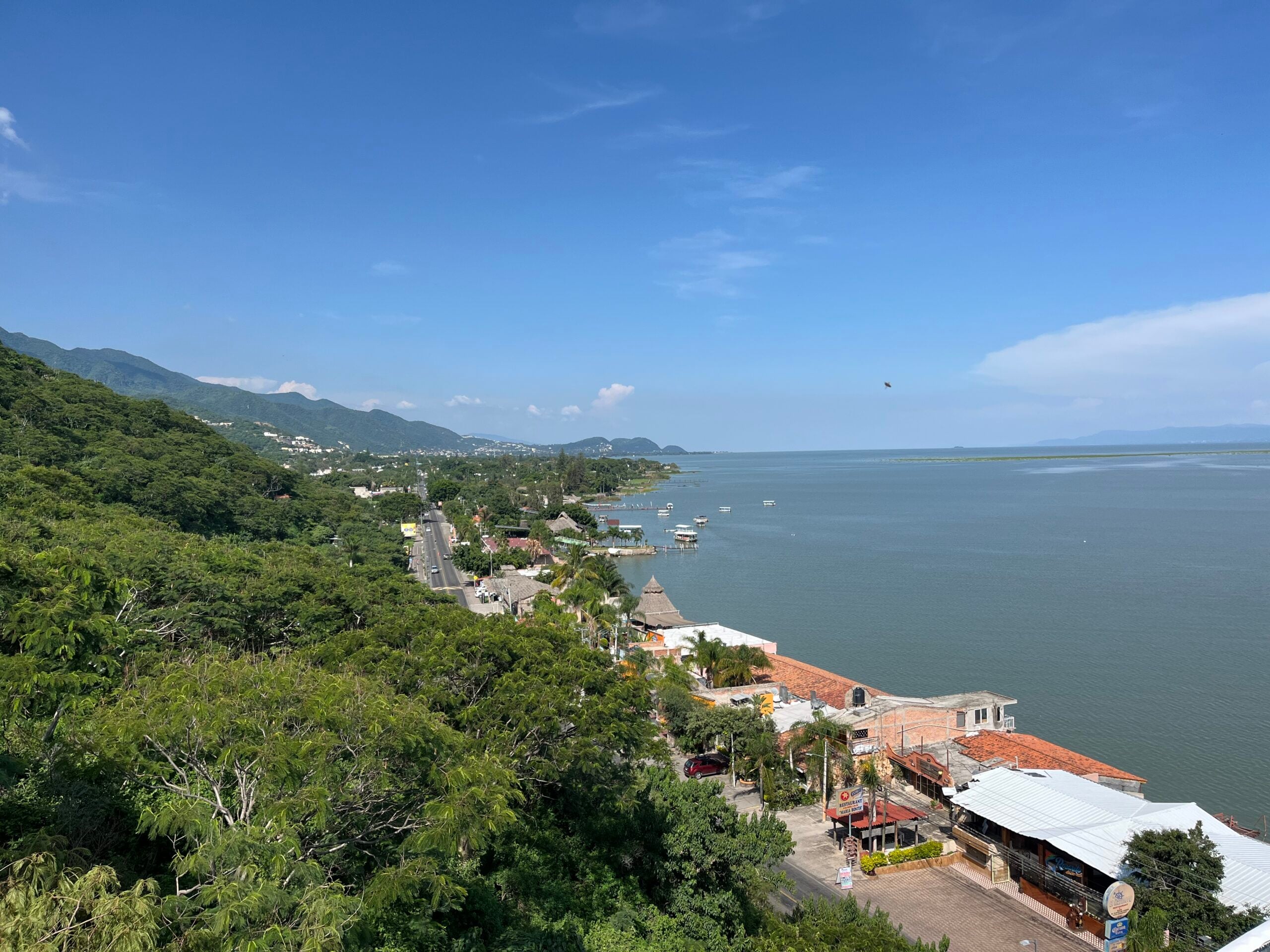
Local Realities to Plan For
Cobblestone streets: Unlike some Mexican towns where cobblestone is limited to the historic centro, the vast majority of streets in Ajijic and surrounding lake towns are cobblestone. Only the main avenues and the carretera are paved. This is a significant consideration for seniors with walkers, wheelchairs, balance concerns, or mobility limitations and should factor into both neighborhood choice and daily planning.
There is no beach: Lake Chapala has lakeside areas and some recreational waterfront access, but it is not a beach destination. The lake itself is also heavily polluted and not safe for swimming. Boat rides on the lake are a popular activity and perfectly fine, but anyone expecting to swim or spend time in the water should be aware of this before relocating.
Altitude adjustment: At 1,500 meters, some people feel mild fatigue or shortness of breath for a day or two upon arrival. This typically resolves quickly, but seniors with serious cardiac or pulmonary conditions should consult their physician before making the move.
Seasonal population swings: Ajijic is significantly busier from November through April, when part-time residents return, and snowbirds arrive. The social calendar peaks during these months. The summer months are quieter but still comfortable, and many full-time residents appreciate the slower pace of the off-season.
The airport: Guadalajara International Airport (GDL) is about 45 to 60 minutes away by car, reached by private shuttle, taxi, or driving. It has direct flights to many US and Canadian cities, which makes family visits and trips home practical.
Visas and Legal Residency
Most foreign retirees enter Mexico on a temporary resident visa, which allows stays of more than six months and can be renewed for up to four years. After four years, permanent residency is available. The process begins at a Mexican consulate in your home country.
If you are already in the area and need to manage your residency paperwork in person, there is one INM (Instituto Nacional de Migración) office serving the Lake Chapala area.
Instituto Nacional de Migración (INM) – Hidalgo 271, Chapala, Jalisco. Phones: (333) 942 0290, (333) 613 8437. Hours: Monday to Friday, 9:00 AM to 3:00 PM.
For the main INM portal, visit gob.mx/inm, where you can also check for updates to hours or requirements before visiting.
Most senior care homes don’t require legal residency, and some expats and homes say residents simply stay on a tourist visa, though that is not advised. If you would rather regularize your status, we suggest a consultation with GP Expat Services, our trusted provider, or another migration lawyer or facilitator.
For a full breakdown of the residency process, income requirements, and what to expect, see our Visas and Legal Residency guide.
How Retire Mexico Helps
Retire Mexico is an independent directory of senior homes across the country, and Lake Chapala is one of the areas we know best. We put together the retirement home filter and guides like this one, to make it easier to find the right place.
One of our founding members lives at lakeside and stays in close touch with the local senior support network, so we keep current information on availability, prices, amenities, and licenses, and we’ve visited the homes around the lake in person. When you’re ready to see a home, we can help arrange in-person visits or virtual tours.
You support our work simply by letting us arrange your tours. The homes pay us a referral fee when someone who’s a good match moves in, and that’s what keeps our directory and our help free to you. Because we’re independent and not tied to any single home, our recommendations stay honest and based only on what actually fits you.