
Find your retirement home
Honest advice at no cost, from advisors based here in Mexico. Tell us your situation.
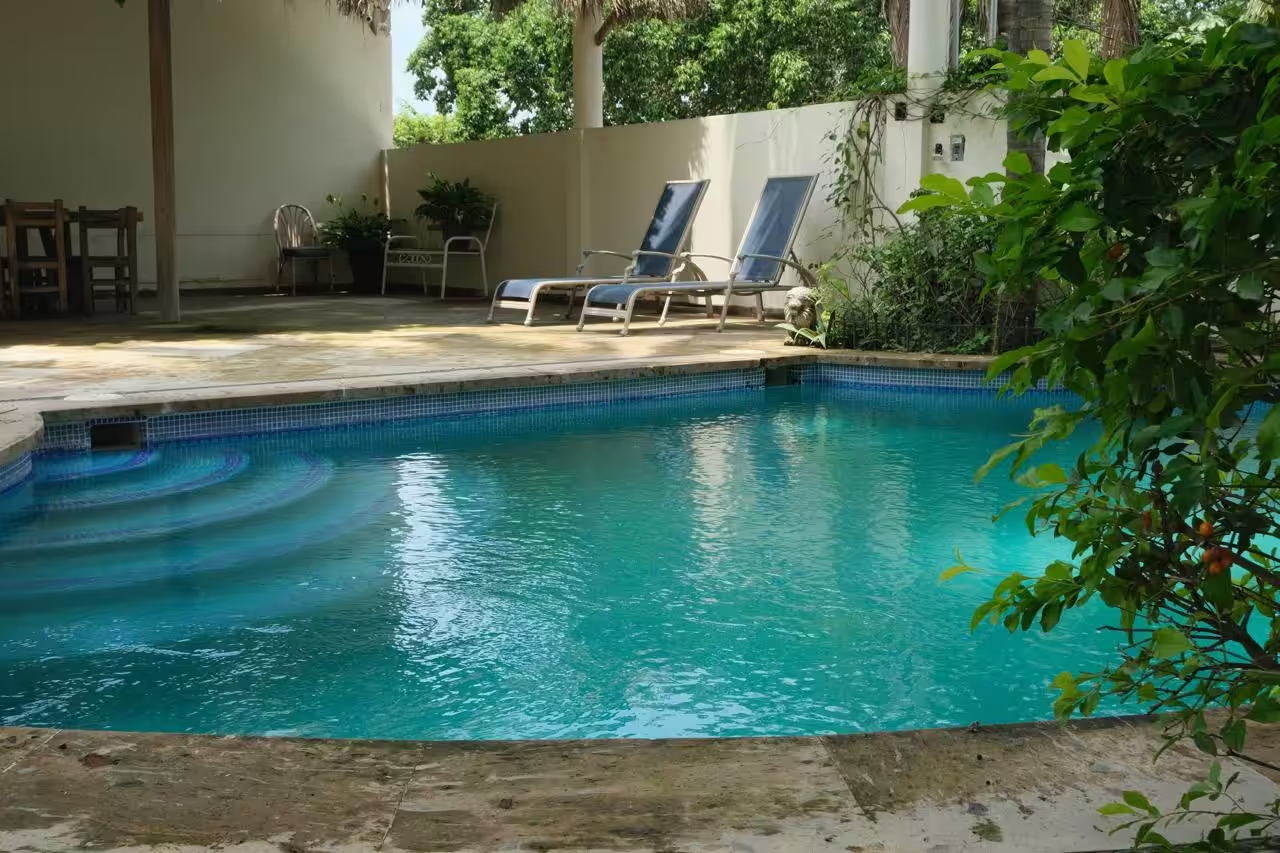
Pacific Home
Puerto Vallarta
Starting from $1,450 USD
Assisted, Nursing
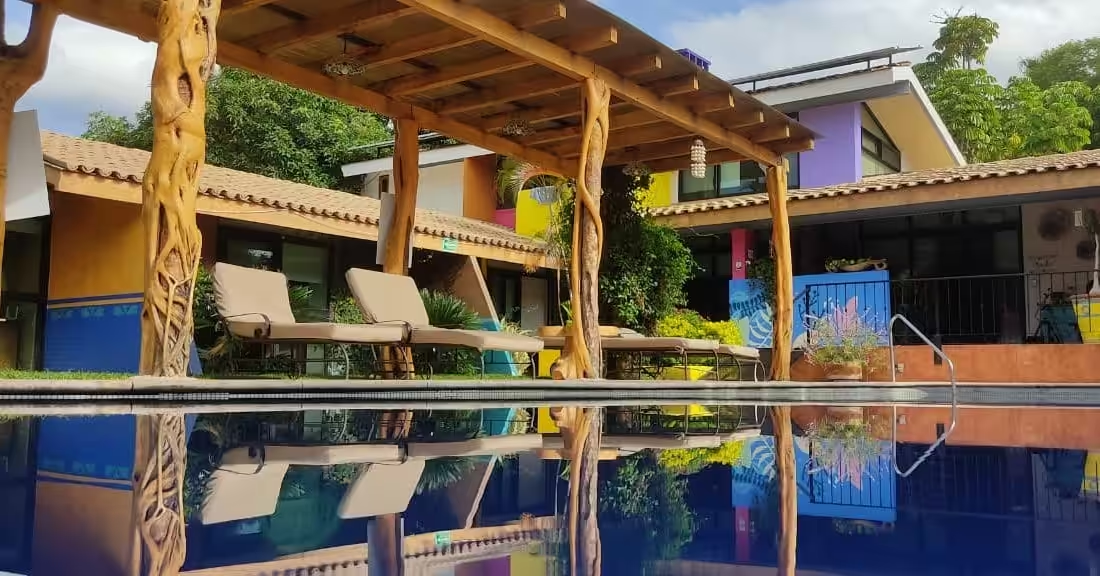
Casa Zoe Community
Lake Chapala
Starting from $1,750 USD
Assisted, Independent
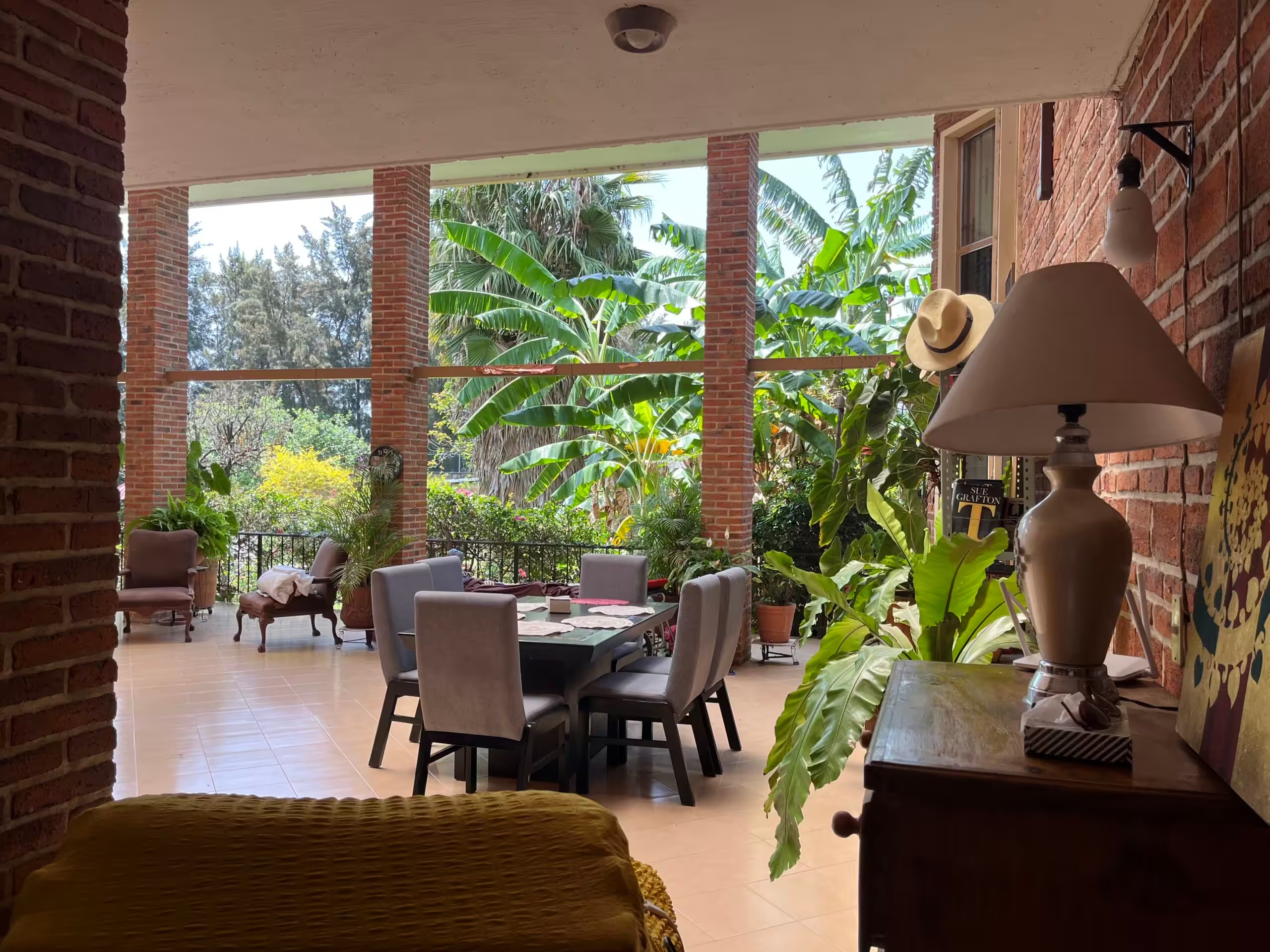
El Chante
Lake Chapala
Starting from $1,750 USD
Assisted, Nursing
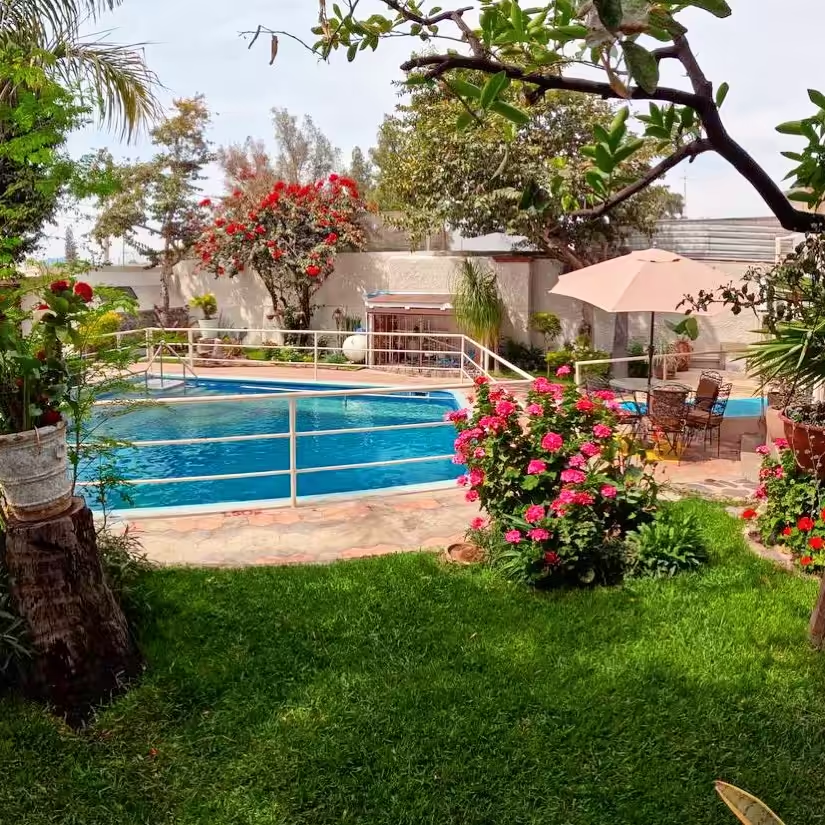
Buhayra Living
Lake Chapala
Starting from $2,050 USD
Assisted, Nursing
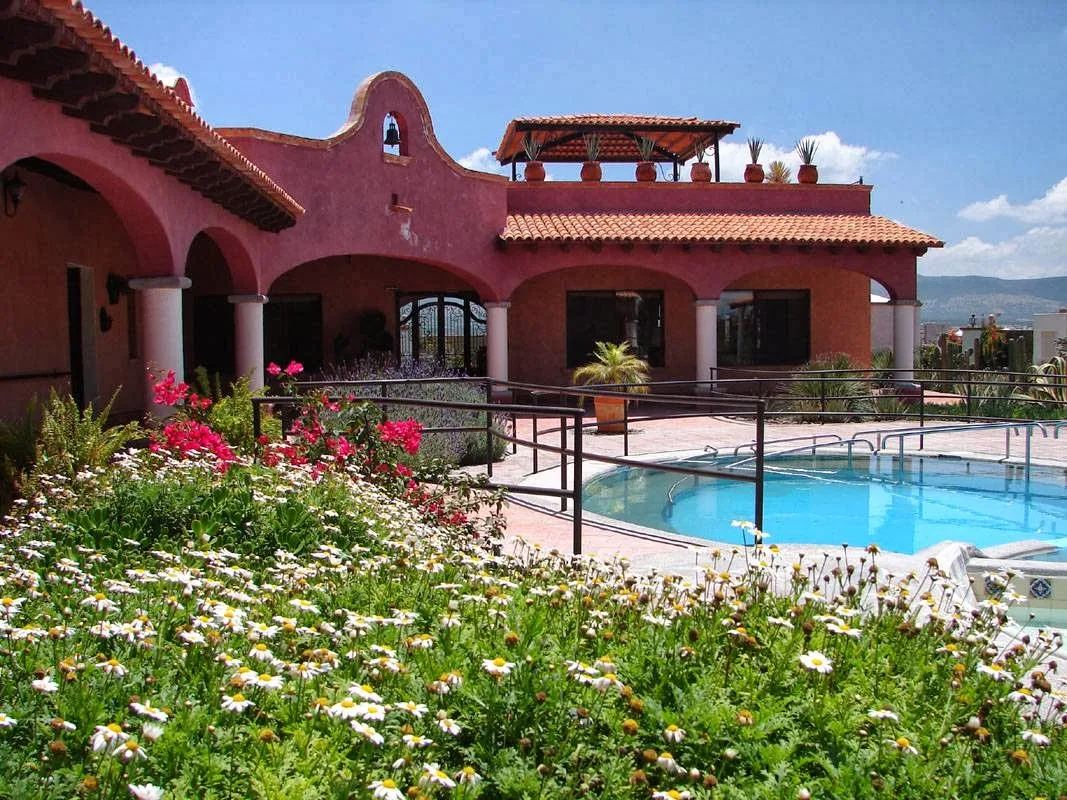
Cielito Lindo
San Miguel de Allende
Starting from $2,950 USD
Assisted, Independent, Nursing
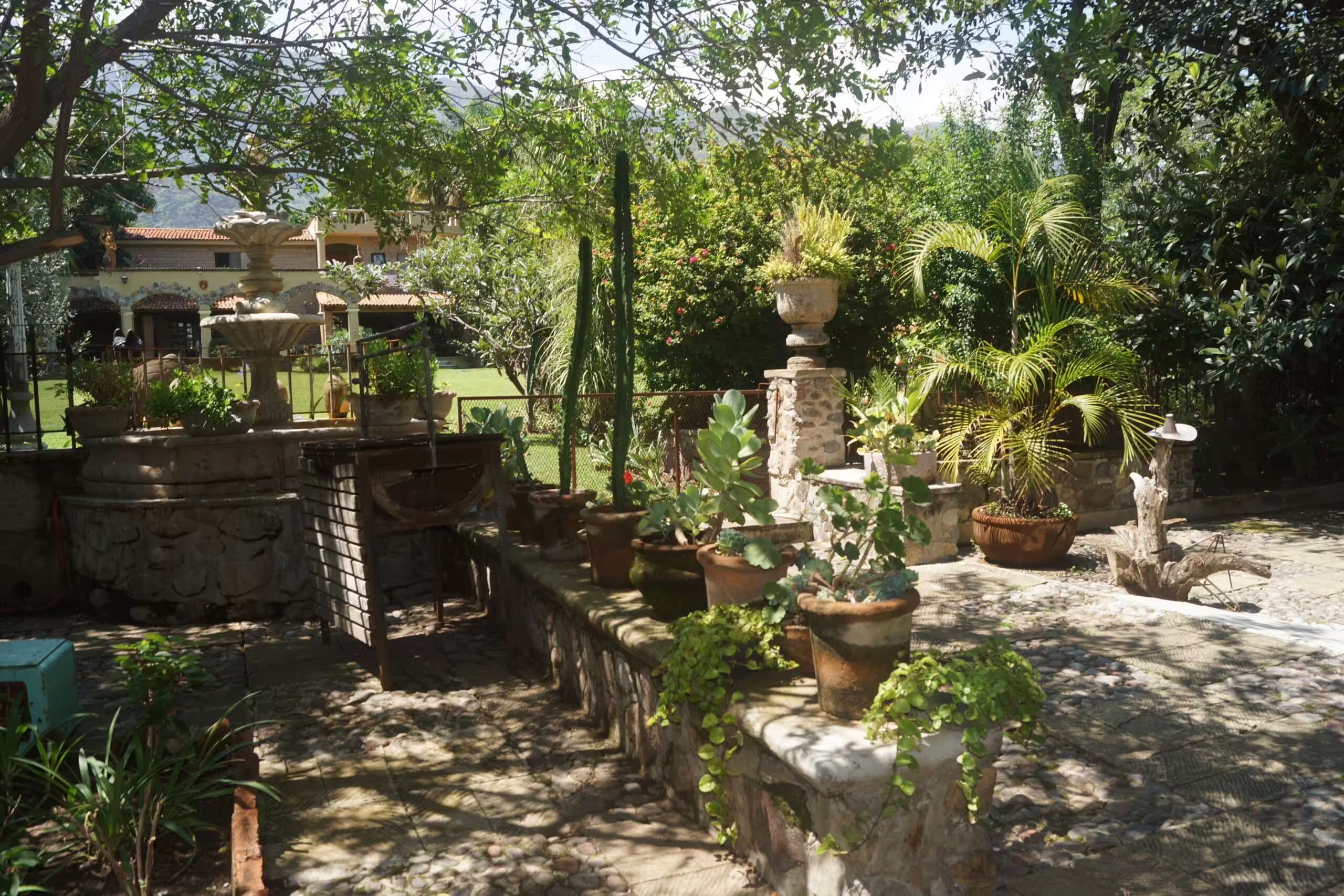
Casa Ana Maria
Lake Chapala
Starting from $1,600 USD
Assisted, Independent
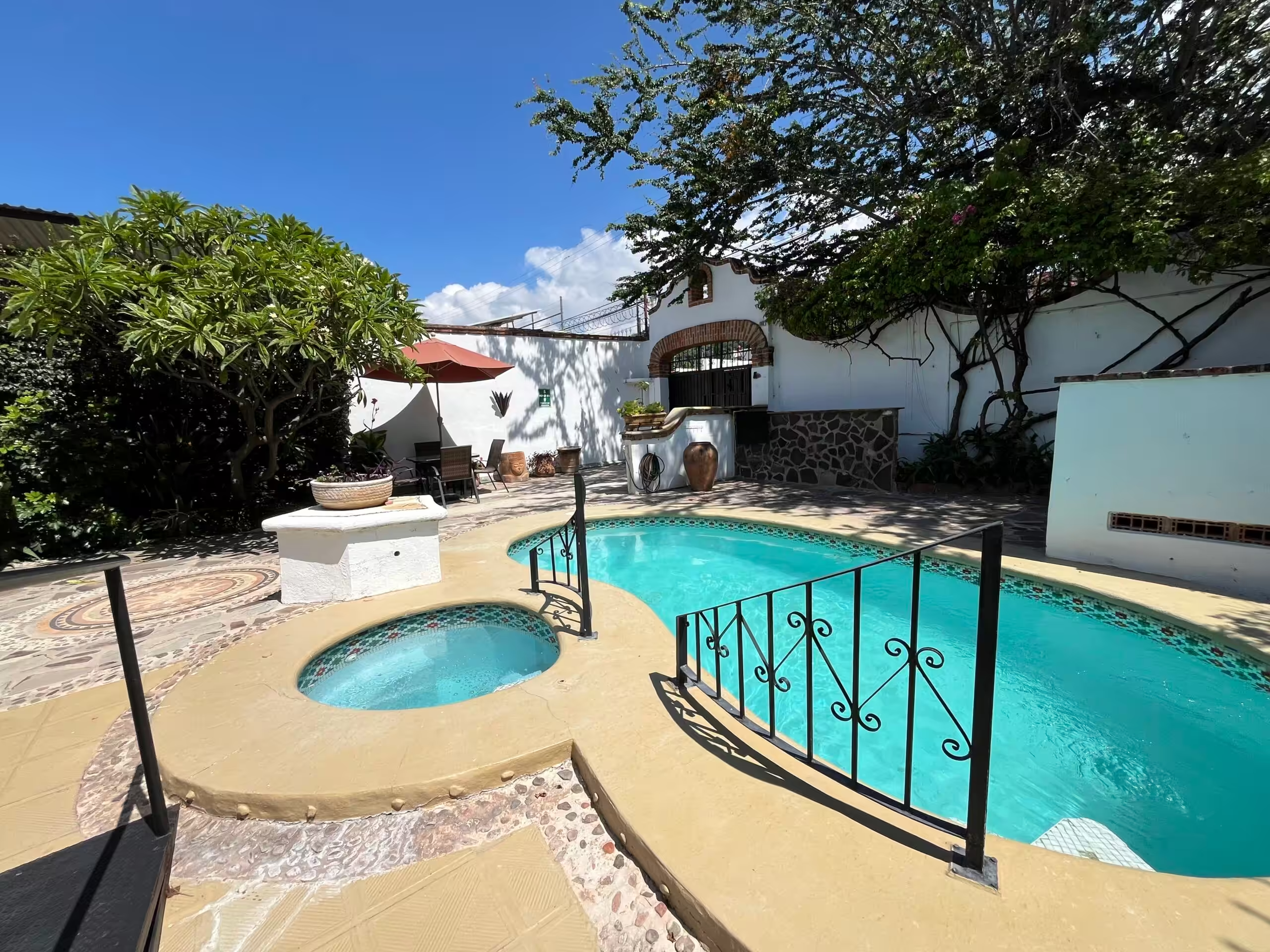
Casa Dragonfly
Lake Chapala
Starting from $2,600 USD
Assisted, Nursing
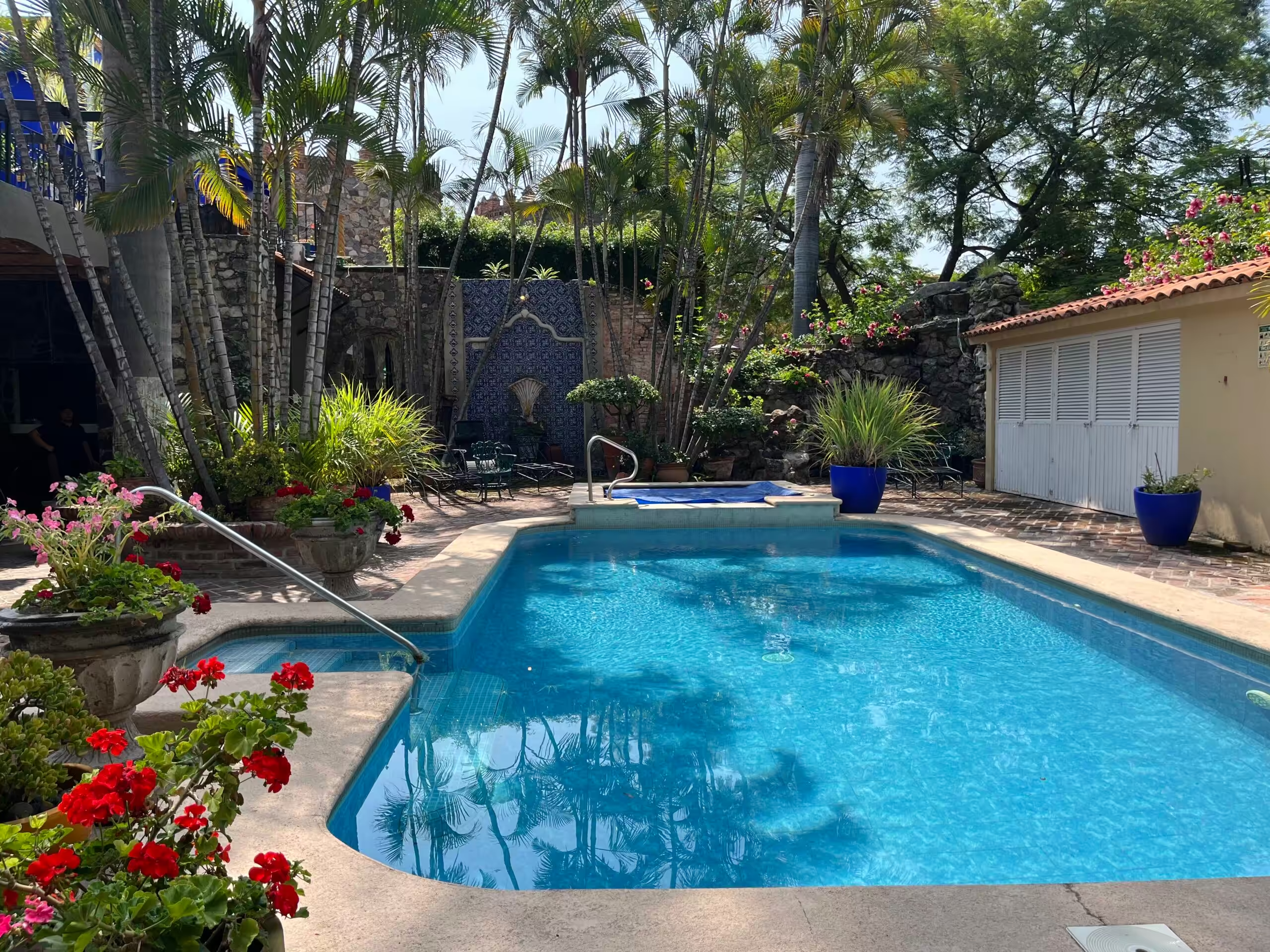
Villa QQ
Lake Chapala
Starting from $2,000 USD
Independent
MEXICAN CITY GUIDES FOR SENIORS
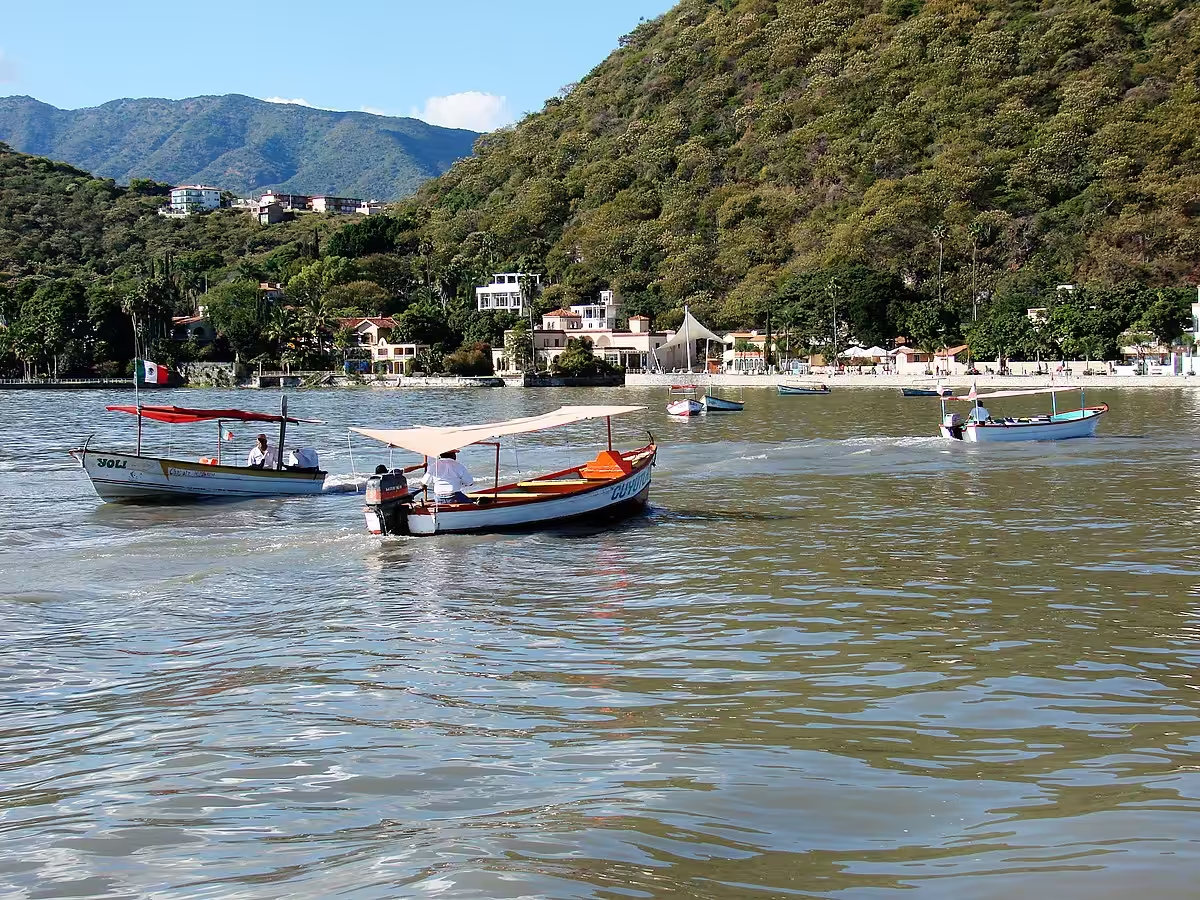
Lake Chapala
A lakeside retirement region known for its mild year-round climate and large English-speaking community.
Explore Lake Chapala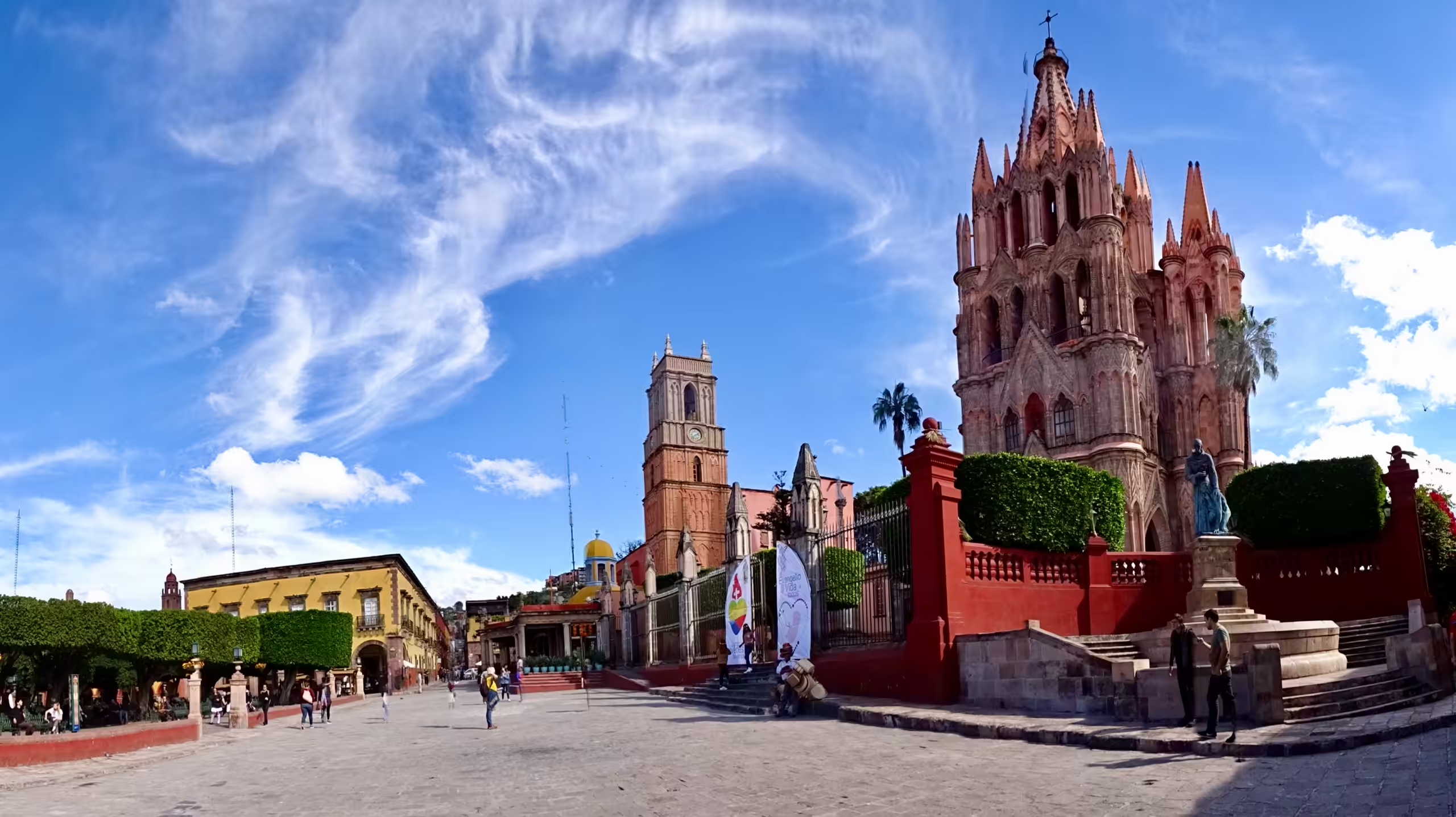
San Miguel de Allende
A culturally rich colonial city known for architecture, arts, walkability, and international communities.
Explore San Miguel de Allende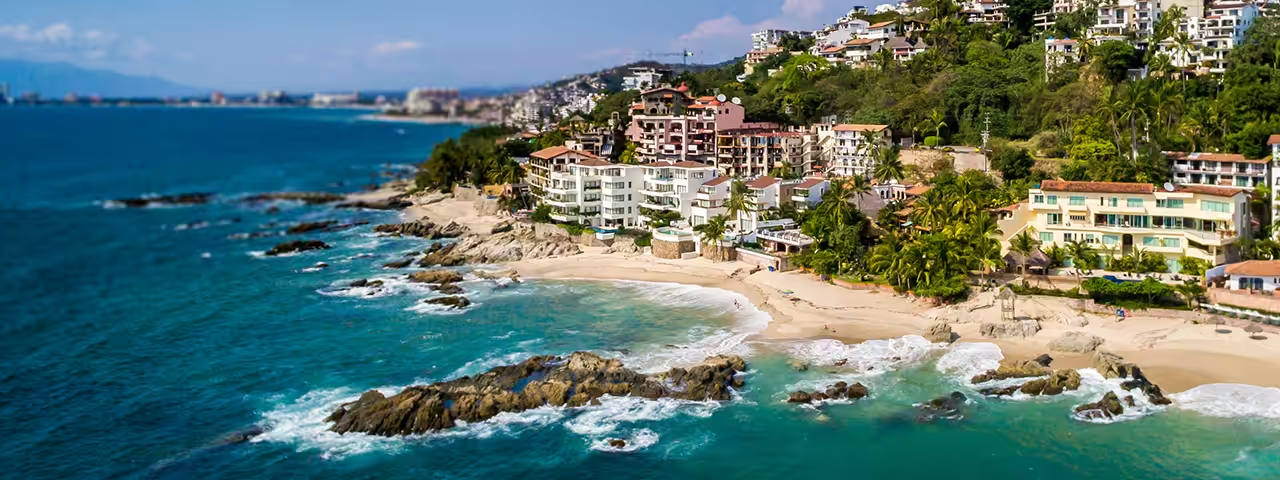
Puerto Vallarta
A tropical coastal retirement hub offering beaches, full-service infrastructure, and a thriving international community.
Explore Puerto VallartaPLAN YOUR RETIREMENT IN MEXICO
Retiring in Mexico
Mexico is home to one of the largest concentrations of North American retirees in the world, and for most of them, the lifestyle is the reason they stay. This guide covers what day-to-day life actually looks like — the community, the pace, the tradeoffs, and what most people wish they had known before moving.
Expat communities & social life
Cost of living by lifestyle
Safety & what residents say
Staying connected with family back home
Expat Community and Social Life
The Lake Chapala area, Puerto Vallarta, and other popular retirement destinations have built extensive English-speaking social infrastructure over decades. Clubs, churches, weekly markets, volunteer organizations, and hobby groups give retirees more ways to stay connected than most small towns in the US or Canada ever would.
Cost of Living by Lifestyle
Mexico is affordable, but “affordable” looks different depending on how you live. A retiree eating locally, using taxis, and keeping things simple will spend far less than one who dines at expat restaurants every night and travels frequently. This section breaks it down honestly by lifestyle rather than just listing average numbers.
Safety
Most expat communities in popular retirement destinations report feeling very safe day to day. Crime affecting foreign retirees is generally low and tends to be opportunistic rather than targeted. We cover what residents actually say, what basic precautions most people take, and how to stay informed.
Staying Connected
Internet access, cell coverage, flight connections, and time zones all factor into how easy it is to stay close to family from abroad. Most retirement areas in Mexico have reliable enough infrastructure that video calls, streaming, and remote work are all manageable.
Healthcare in Mexico
Healthcare in Mexico is significantly more affordable than in the US or Canada, and the quality at private facilities is often very good. Retirees have several options depending on their needs and budget — from private hospitals and clinics to out-of-pocket pharmacy care.
Private hospitals, clinics & pharmacy care
Health insurance options for retirees
Medicare and what it covers abroad
How nursing staff is trained & credentialed
Private Care & Out-of-Pocket
Very common among retirees and often very affordable. Pharmacy doctors handle minor issues at low cost, and private specialist consultations run significantly less than in the US. Many retirees pay out of pocket for routine care rather than dealing with insurance at all.
Health Insurance Options
Local and international plans are available. As a legal resident you can also enroll in Mexico’s public healthcare system for an annual fee. Age-based premiums for private plans can be high, so it’s worth consulting a broker who specializes in expat coverage before committing.
[Original Medicare (Part A & B) does not cover care outside the US. However, some Medicare Advantage plans include international coverage.]
Nursing Staff in Mexico
Nursing roles range from trained assistants (6–12 weeks of training) to technical nurses (2–3 years) to registered nurses with a 4-year degree. Reputable facilities staff a Licenciada en Enfermería for clinical oversight and assistants for daily routines. Always ask to see staff Cédulas Profesionales — government-issued credentials.
Care Options & Admissions in Mexico
Unlike the US and Canada, Mexico has no standardized legal classification for senior living. We’ve broken it down into three clear categories to help you identify the right level of care — and know what questions to ask when touring a facility.
Independent Living — convenience & community
Assisted Living — help with daily tasks
Nursing Homes — 24/7 medical care
Short-Term & Convalescent Stays — post-op recovery and temporary care
The three levels of care
Independent Living
For active seniors who manage their health independently but want convenience and community. Staff handles cleaning, cooking, laundry, and activities. No medical needs addressed. “I’m fine day-to-day — I just want convenience and a social environment.”
Assisted Living
For seniors who need routine help with bathing, dressing, grooming, medications, and other Activities of Daily Living (ADLs), but do not require medical care around the clock. “I need some help, but I don’t need nursing care all day.”
Nursing Home
For individuals with serious medical conditions, chronic illness, or post-hospitalization recovery. Requires licensed nurses and doctors on-site, 24/7 supervision. “I need continuous, high-level nursing or medical care.”
Short-Term & Convalescent Stays
Many facilities in Mexico accept residents for short-term stays after surgery, hospitalization, or injury. This is common with foreign patients who need a supervised recovery environment before returning home.
What to Check When Touring
● COFEPRIS/Licencia Sanitaria status
● Staff credentials — Cédula Profesional for any clinical staff
● Staff-to-resident ratios and whether an RN is on duty 24/7
● Dementia/Alzheimer’s experience and approach if memory care is needed
● Transition policy — what happens if care needs increase?
● Contract terms –
Moving to Mexico
Moving to Mexico as a retiree involves a handful of key steps — residency, banking, understanding your costs, and making sure your paperwork is in order before you arrive. Getting these right from the start saves significant time, money, and frustration down the road.
Temporary vs. Permanent Residency explained
Step-by-step visa application process
Banking, transfers, and managing money from abroad
CURP, RFC, and the documents you’ll actually need
Cost of Living
Costs vary significantly depending on lifestyle, location, and care needs. This section breaks down realistic monthly budgets by scenario rather than just averages.
Visas and Legal Residency
Most retirees enter on a Temporary Resident visa, applied for at a Mexican consulate before arriving. You have 30 days after entry to complete the canje — the exchange of your visa sticker for a resident card at an INM office. Skipping this step or entering as a tourist instead is the most common and costly mistake people make.
CURP and RFC
The CURP is Mexico’s national ID number, assigned after residency, and required for banking, healthcare, and most contracts. The RFC is a tax ID — optional for most retirees unless you purchase property or sign long-term leases.
Banking and Moving Money
A Mexican bank account is not strictly required, but it simplifies paying local bills and reduces ATM fees over time. Most retirees keep their home country accounts and use services like Wise or Intercam for regular monthly transfers at competitive exchange rates.
Talk to a senior living advisor
Tell us what type of retirement home you’re looking for and we’ll point you in the right direction, at no cost to you.
Frequently Asked Questions
Independent living communities in Mexico typically run between $1,550 to $2,000 USD per month, with meals, housekeeping, utilities, and community activities included.
Compare that to living on your own in Mexico: rent, food, utilities, and a weekly housekeeper in the main retirement destinations typically add up to $1,800 to $3,000 a month, depending on lifestyle and city. In other words, an independent living community often costs about the same as renting independently, except the cooking, cleaning, and social life come built in.
Assisted living in Mexico typically runs between $800 to $2,500 USD per month. That’s usually a flat monthly fee that includes three meals a day, housekeeping, laundry, hands-on help with bathing, dressing, and grooming, medication reminders, and daily activities.
For comparison, the US national median for assisted living is $6,200 per month.
Nursing homes in Mexico with 24/7 licensed nursing care typically run $1,500 to $3,000 USD per month, with budget options starting around $800 and premium homes reaching $3,750.
For comparison, the US national median for a semi-private nursing home room is about $9,600 per month, according to the 2025 Cost of Care Survey.
In Mexico, memory care usually isn’t a separate category the way it is in the US or Canada. Most homes provide it within their nursing care, so it falls under the same range: anywhere from $800 to $3,750 USD per month. The higher end reflects the extra staffing and the secured, supervised environment that dementia and Alzheimer’s care require, and meals, housekeeping, and daily care are typically included in that flat monthly fee.
For comparison, memory care in the US typically runs around $8,000 per month.
In most cases, they’re better. Because salaries are lower in Mexico, homes can afford higher-qualified medical professionals and better staff-to-resident ratios than comparable US facilities. Most assisted living homes in Mexico have doctors on staff providing daily hands-on care, which is rare in the US, where facilities rely primarily on nursing assistants.
Mexican culture also places a strong emphasis on respect for elders, which shows in how staff interact with residents. Homes here tend to feel less institutional than typical US nursing homes, with a family atmosphere rather than a clinical hospital feel.
Quality does vary more between individual homes than it does in the US, which is why visiting in person, checking staff credentials (Cédula Profesional), and asking about staffing ratios matters. Homes that cater to American and Canadian residents typically have bilingual staff and higher care standards.
Yes. Private hospitals in major Mexican cities like Guadalajara, Mexico City, and Monterrey offer care that matches or exceeds US standards at a fraction of the cost. Many are internationally accredited, use the same equipment and diagnostic technology you’d find in the US, and staff doctors who trained in North America or Europe. In expat retirement hubs like Lake Chapala, Puerto Vallarta, and San Miguel de Allende, you’ll find well-equipped clinics and senior care facilities with registered nurses and on-site physicians. Most retirees find the combination of local clinics for routine care and private hospitals in nearby cities for serious issues works well.
The main expat retirement areas have consistently low violent crime rates and function as economic hubs that depend on expat residents feeling safe. Lake Chapala, San Miguel de Allende, and Puerto Vallarta are among the safest options, where day-to-day life feels remarkably normal. Larger cities like Guadalajara and Mexico City need basic street awareness. Avoid cities with active cartel presence and high violent crime rates, including Tijuana, Ciudad Juárez, Culiacán, Acapulco, and cities in Sinaloa, Colima, Michoacán, Tamaulipas, and Guerrero. Security situations vary dramatically by specific city and neighborhood, which is why choosing the right location matters.
RetireMexico.com is an independent directory of verified senior living facilities across Mexico, built specifically for American and Canadian families researching retirement and senior care options. We contact and verify every home before listing it, and we’re touring each one in person, region by region.
Head to our Retirement Homes directory and use the filters. Start with your destination: Lake Chapala, Puerto Vallarta, or San Miguel de Allende. Then set your monthly budget in USD, either with the slider or one of the preset ranges. Next, pick the type of care you need: independent living, assisted living, or nursing home.
From there you can narrow further with the optional filters for healthcare services like 24/7 nursing and memory care, accessibility features, room types, amenities, and activities. Every listing shows photos, starting prices, and what each home actually offers. And if you’d rather skip the digging, message us with your budget and situation and we’ll shortlist the homes that fit.
Browse the directory free: every home is listed with photos, starting prices, and the care it offers, and we visit and verify homes before listing them. If you want help, message us with your budget and situation and we’ll shortlist options and introduce you directly to the homes, also free.
Some homes pay us a referral fee when a family moves in through our introduction. That fee is paid by the homes, never changes what you pay, and is what keeps the directory free for families.