Why Retire in Puerto Vallarta
Puerto Vallarta is notable for its well-developed infrastructure. The city boasts numerous private hospitals, specialist clinics, and rehabilitation centers, which are essential for seniors requiring ongoing medical care or higher levels of support over time.
Compared to smaller towns, Puerto Vallarta also has a larger pool of English-speaking trained caregivers, nurses, and support staff, which supports a wider range of assisted living and nursing care options.
The international airport offers direct flights to many cities in the United States and Canada, making it easier for family members to visit and for residents to travel when needed. This accessibility is especially important for seniors who want to remain connected to family while living abroad.
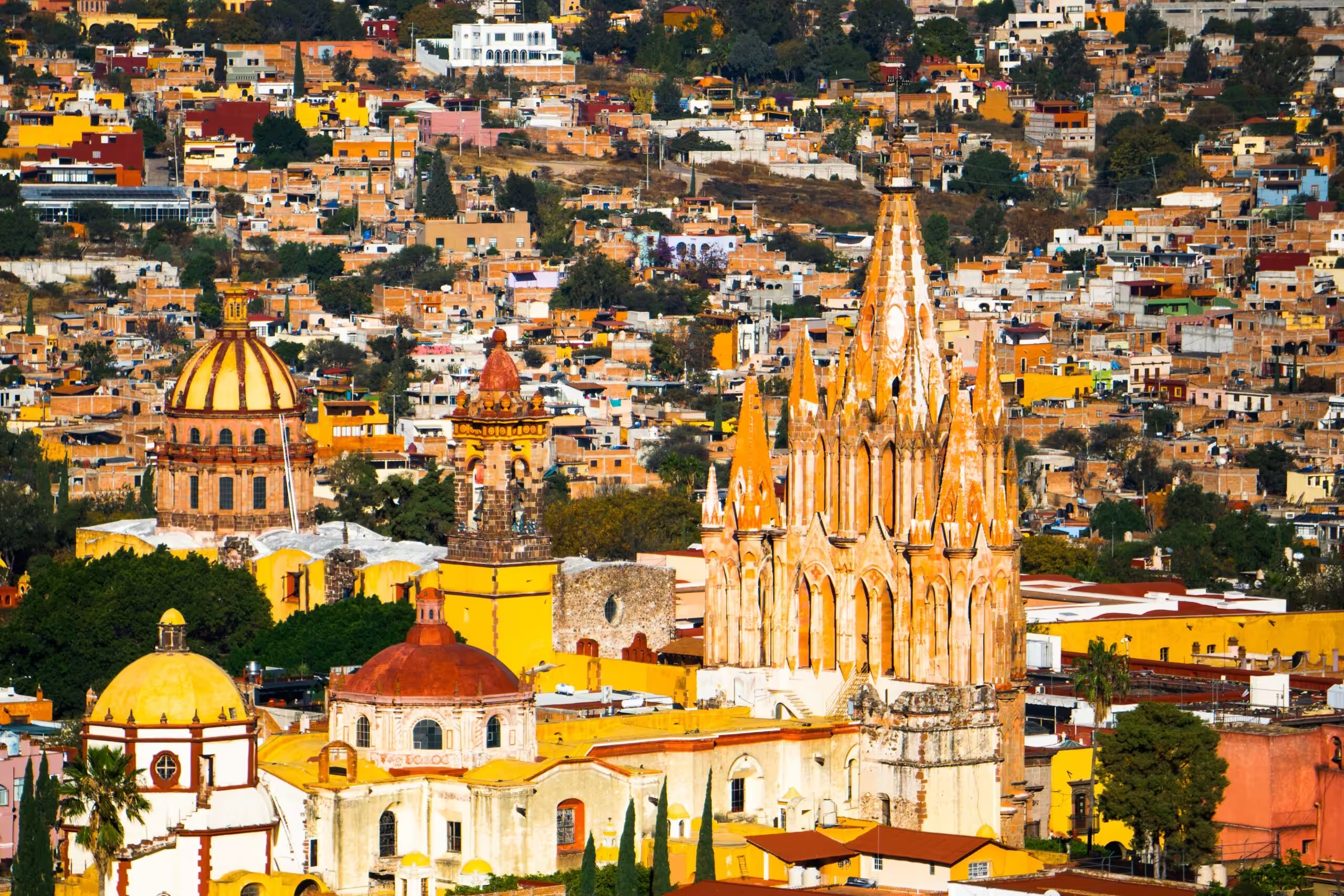
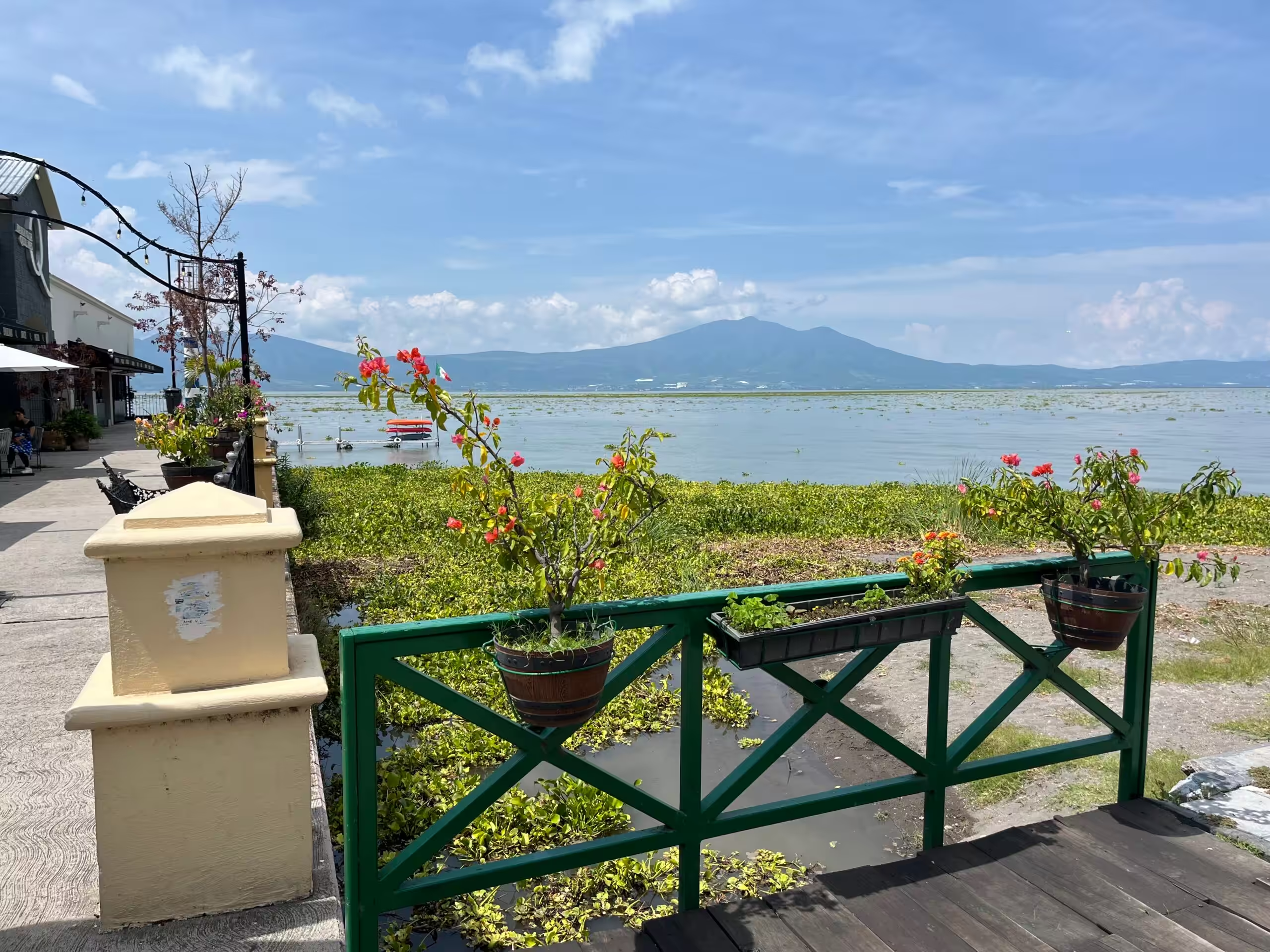
The pace of life here is more active and urban than places like Lake Chapala or San Miguel de Allende. Puerto Vallarta has beaches, restaurants, a thriving arts scene, and an expat community large enough that English is widely spoken in most areas. For retirees who want a full city experience with coastal living, it is difficult to match.
Puerto Vallarta tends to be a good fit for retirees who want:
- A larger, well-developed city environment with full urban amenities
- Access to assisted living, nursing care, or memory care facilities
- An established English-speaking expat community
- Direct international flights for easy family visits
- Strong private healthcare infrastructure and emergency services
- A coastal, active lifestyle
It may not be the right fit for seniors who prefer a quieter small-town atmosphere, those with a tighter budget, or anyone with significant mobility limitations who may find the hillside terrain and cobblestone streets in some neighborhoods challenging.
Climate and Weather
Puerto Vallarta has two distinct seasons. The dry season runs from November through May and is what most people picture when they think of the city: sunny days, low humidity, temperatures in the mid-70s to low 80s Fahrenheit (around 23 to 27°C), and little to no rain. This is peak tourist and expat season.
The rainy season runs from June through October. Afternoons typically bring heavy, short showers, humidity rises considerably, and temperatures push into the high 80s and low 90s (around 31 to 34°C). Hurricane season overlaps with this period, though direct hits on Puerto Vallarta are rare. Most long-term residents find the rainy season perfectly livable and appreciate the quieter city it brings, but the heat and humidity can be a significant adjustment for seniors coming from cooler climates.
Being at sea level is worth noting for anyone coming from a high-altitude city in the US or Canada. There is no acclimatization period, which is a meaningful advantage for seniors with heart or respiratory conditions.
Neighborhoods
Not all of Puerto Vallarta is equally suited for older residents. The city has significant variation in terrain, infrastructure, and character depending on where you are.
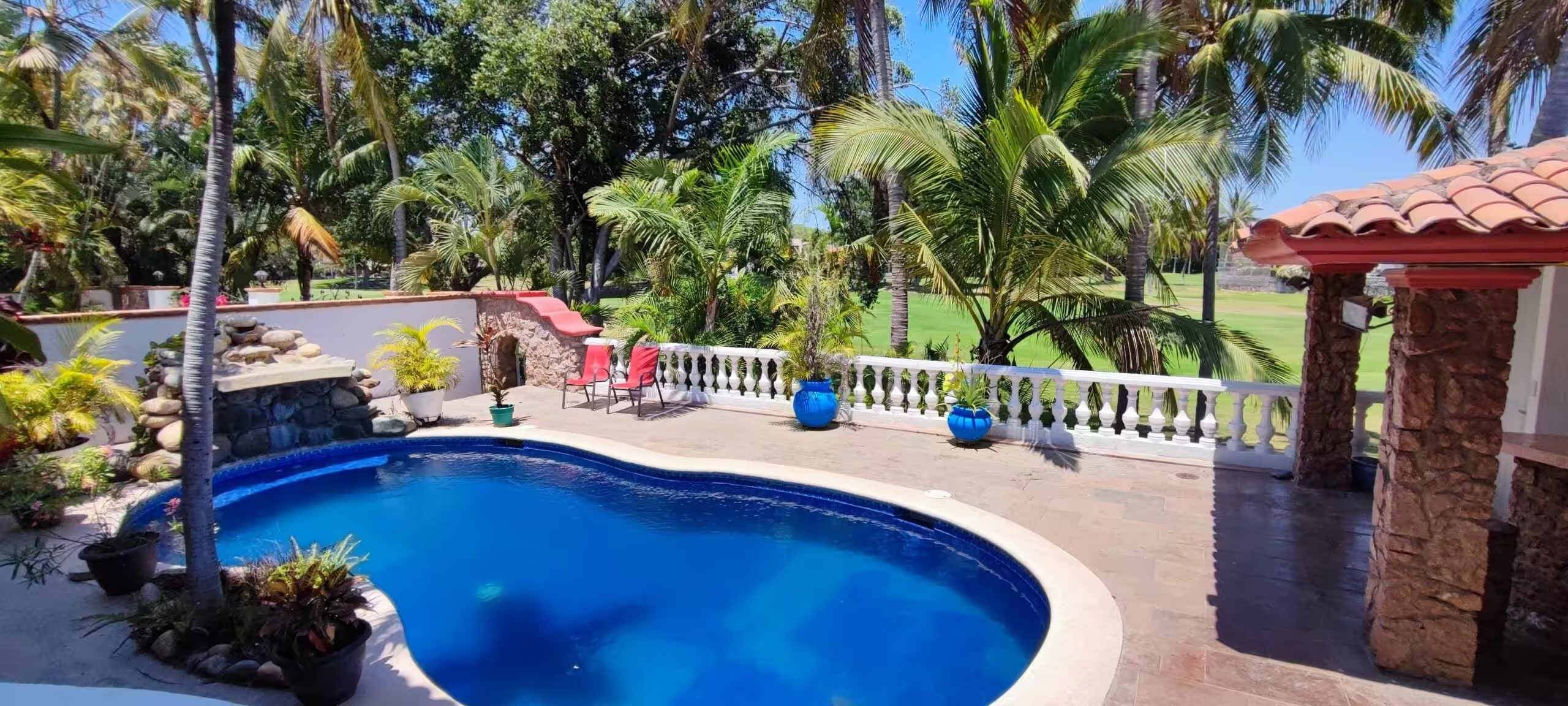
Marina Vallarta: One of the most practical neighborhoods for retirees. It is flat, modern, and built around a marina and golf course. Streets are wide, sidewalks are even, and many properties are in gated communities with 24-hour security. It sits close to the airport and has good access to hospitals and shopping.
Fluvial Vallarta: A newer residential neighborhood further inland, popular with Mexican families and a growing number of expats. It is quiet, flat, and more affordable than Marina Vallarta. It has less of the expat social infrastructure of some other areas, but is practical for day-to-day living.
Versalles: A mixed commercial and residential neighborhood with good value for money. It has a more local character and is home to several of the city’s hospitals and clinics, making it convenient for seniors who need regular medical access. That said, despite ongoing modernization in parts of the area, most streets are still cobblestone, which is worth keeping in mind for seniors with mobility concerns.
Romantic Zone (Zona Romantica): The most walkable and socially active part of the city, with restaurants, cafes, beach access, and a strong expat community. Puerto Vallarta is one of Mexico’s most prominent LGBTQ+ destinations, and the Romantic Zone is the heart of that community — it is a welcoming and inclusive neighborhood with an active queer social scene. However, streets are cobblestone in many areas, and the terrain is hilly in parts, which can pose real challenges for seniors with mobility limitations.
Conchas Chinas and Amapas: Hillside residential areas with beautiful ocean views, popular with wealthier expats. Not practical for seniors who rely on walking or have mobility needs.
North of Vallarta: Riviera Nayarit
The following towns sit across the state line in Nayarit rather than Jalisco, but they share the same bay and are close enough to Puerto Vallarta that many retirees consider them part of the same area. Healthcare, shopping, and the airport are all accessible from these towns, and each offers a slightly different pace and character than the city itself.
Nuevo Vallarta / Nuevo Nayarit: A planned resort and residential area about 20 minutes north of downtown, flat, beach-fronting, and more spread out than the city. Some retirement communities and assisted living facilities are located here. It is a good option for seniors who want beach access, a quieter pace, and newer infrastructure without the hills or cobblestones of central Vallarta.
Bucerías: A small beach town with a relaxed, local feel and a growing expat community. More affordable than Nuevo Nayarit, with a walkable town center and a slower pace of life. The main street is cobblestone but most of the town is flat and navigable.
La Cruz de Huanacaxtle: A small marina town that has grown considerably in recent years. It is quieter and more upscale than Bucerías, known for its Sunday market and a tight-knit expat community. Fewer services than the larger towns but a strong sense of community.
Punta de Mita: A upscale peninsula at the northern tip of Banderas Bay, known for luxury resorts, private communities, and high-end real estate. It is a beautiful area but has limited local infrastructure and services compared to the other towns on this list. It tends to appeal to retirees with a higher budget who prioritize privacy, exclusivity, and proximity to the ocean over urban convenience.
Healthcare and Hospitals
Puerto Vallarta has several private hospitals that serve both local residents and international patients. English-speaking doctors and administrative staff are common, particularly in private facilities. The level of care available here is significantly higher than in smaller towns, and the city can handle most medical situations that seniors are likely to encounter.
CMQ Hospital Group: CMQ operates multiple locations in the Puerto Vallarta area and is one of the most widely used hospital groups among expats and medical tourists. They offer emergency care, surgery, oncology, and a range of specialty services. English is widely spoken throughout their facilities.
VMC Vallarta Medical Center: A 24/7 private hospital in Puerto Vallarta known for its comprehensive services and bilingual staff. Located across from Plaza Caracol in the Hotel Zone, it is frequently cited as one of the top medical facilities in the region for both residents and international visitors.
Hospital Joya (formerly known as San Javier) is a premier private hospital network in Mexico, particularly prominent in the Puerto Vallarta and Riviera Nayarit regions. It is recognized for providing third-level medical services, meaning it offers highly specialized care and advanced technology.
Hospiten: A Spanish-origin hospital group with a strong international patient program, known for quality standards and English-speaking staff.
Hospital Versalles: A long-established small private hospital in the Versalles neighborhood, with more than 50 years serving Puerto Vallarta. It offers imaging and diagnostic services, surgery, and a range of specialties including obstetrics and gynecology, pediatrics, internal medicine, orthopedics and traumatology, and a neonatal intensive care unit.
Cost of Living
For a senior living in a Puerto Vallarta residence, plan on roughly USD 1,800 to 3,500 a month all in, with most retirees landing somewhere around 2,300 to 2,800. The home itself accounts for most of that, generally USD 1,400 to 3,000 a month, and because that fee already covers the room, meals, housekeeping, laundry, personal care, activities, and utilities, the extra spending on top is modest: health insurance, a phone plan, medications, and some personal money for outings and shopping.
Where you land in that range comes down mostly to how you live. The level of care is the biggest factor, with independent living the most affordable, assisted living higher, and full nursing care at the top. Room choice matters too, since a shared room costs less than a private room, which costs less than a studio or apartment. The priciest path is usually renting your own place and hiring private nurses to come to you, because you give up the savings a residence folds into a single monthly fee. Treat these as planning figures, so confirm the current exchange rate and ask each home what its fee includes and what it bills separately.
As a general reference, a comfortable independent retirement in Puerto Vallarta typically requires a larger budget than in Lake Chapala or San Miguel de Allende. Puerto Vallarta is one of the more expensive retirement cities in Mexico, partly due to its popularity as a tourist destination.
Getting Around Puerto Vallarta: Practical Transportation Options for Seniors
Puerto Vallarta offers a variety of transportation options that cater well to seniors, ensuring ease, safety, and convenience when getting around the city and its surroundings.
Taxis: Taxis are widely available throughout Puerto Vallarta. They are a practical choice for short trips, especially for seniors who prefer not to drive. Airport taxi rates to downtown typically range from 500 to 1,000 MXN ($29 to $58 USD), and to the North Area/Nuevo Vallarta from 700 to 1,600 MXN ($39 to $90 USD). Taxi fares within the city are a bit more affordable, ranging from 70 to 250 MXN ($4-$14 USD), depending on distance and time of day. It’s advisable to agree on the fare before the trip, as meters aren’t always used.
Rideshare Services: Uber and Didi operate in Puerto Vallarta, providing convenient app-based transportation with transparent pricing. Uber fares usually start around 40 MXN ($2.5 USD) for short trips, with typical rides within the city costing between 50 and 150 MXN ($3 to $8 USD). Didi offers similar rates and is popular among locals and expats alike. These services are especially useful for seniors comfortable with smartphone apps, offering door-to-door service and cashless payments. Please note that rideshare services are not available for pick-up directly at the airport terminal (must walk outside).
Public Buses: The city has an extensive and affordable public bus system serving most neighborhoods and nearby towns. Buses are a cost-effective option, with fares typically around 11 MXN (less than $1 USD). While buses are frequent and cover many routes, seniors should be mindful of crowded times and the lack of air conditioning on many buses.
Driving: Many retirees choose to drive in Puerto Vallarta, as roads are generally well-maintained and signage is clear. However, traffic can be busy during peak hours, and some neighborhoods have narrow or cobblestone streets that may be challenging for seniors. International driving licenses are accepted, and car rentals are widely available.
Airport Transfers: For families visiting seniors in Puerto Vallarta, airport transfers are readily accessible. Options include pre-booked private shuttles, taxis, Uber, and Didi rides from Gustavo Díaz Ordaz International Airport. Taxi and rideshare fares from the airport to downtown typically range from 250 to 350 MXN ($12 to $17 USD), while private shuttle services may charge around $25 to $40 USD depending on vehicle size and service level.
Overall, Puerto Vallarta’s transportation options provide seniors with safe and flexible ways to enjoy the city and stay connected with family and friends.
Expat Community and Social Life
Puerto Vallarta has one of Mexico’s most established expat communities. English is widely spoken in restaurants, shops, and medical facilities in the main expat areas. There are active social clubs, volunteer organizations, and regular community events that make it relatively easy to build a social life, even arriving without existing connections.
International Service Organizations
International service organizations are well represented in the area. The Rotary Club and Lions Club both have active Puerto Vallarta chapters and draw a mix of expats and locals. For retirees who were involved in these organizations back home, they are a natural and easy entry point into the community.
The Rotary Club Puerto Vallarta Sur meets every Thursday morning at 9:00 a.m. at the Marriott Puerto Vallarta (Marina). The meeting costs $250 pesos per person (includes breakfast).
Founded on November 2, 1958, the Lions Club Puerto Vallarta meets on the first Wednesday of every month at 9:00 p.m. at Francisco I Madero 280 (Emiliano Zapata neighborhood).
Beyond service clubs, the city has a range of expat-oriented social groups, hobby clubs, volunteer opportunities, and English-language religious congregations.
Faith and Churches for Expats in Puerto Vallarta
Puerto Vallarta offers several English-speaking churches catering to the expat community, providing welcoming spaces for worship and fellowship. Services are typically held on Sunday mornings, with Catholic Mass available in English as well.
- Christ Church by the Sea (Anglican): Sundays at 10:00 a.m., Plaza Genovesa
- Paradise Church (Non-denominational): Sundays at 9:30 a.m., Juarez 614 (Centro), or you can join them via Livestream here.
- Calvary Chapel Puerto Vallarta: Sundays at 9:00 a.m., 105 Pablo Picasso (Zona Hotelera) Colonia Las Glorias
- Amazing Grace Christian Church: Sunday at 10:00 am (November – April) inside Ciao Restaurant located at Paseo De Los Cocoteros 35, Nuevo Vallarta
- First Baptist Community Church: Tuesday Bible Study 10:00 a.m., Sunday Service 9:30 a.m. Argentina 181, 5 de Diciembre
- Our Lady of Guadalupe Parish: English Mass Saturdays at 5:00 p.m. Hidalgo 370 (centro)
Facebook Groups and Online Communities
These groups are active sources of information, recommendations, and community connections for expats and retirees in Puerto Vallarta.
- Puerto Vallarta: Everything You Need Or Want To Know
- Puerto Vallarta Experience Share
- Puerto Vallarta ❤️ Everything You Need Or Want To know -Information Zone 🇲🇽
- Bucerias / La Cruz / Puerto Vallarta / Everything You Need to Know
- Puerto Vallarta: Everyone Helping Everyone
- Puerto Vallarta Friends Events and MORE
- Puerto Vallarta Expat Network 🌴
- The Puerto Vallarta Food Review
- Canadians in Puerto Vallarta
- Puerto Vallarta Bucerias Nuevo Vta Nay info NICE, KIND & HELPFUL only
- Puerto Vallarta: Everything you need or want to know Bar And Restuarants
- Puerto Vallarta Uncensored
- Puerto Vallarta Living
- All Americans in Puerto Vallarta!
- US EXPATS in PUERTO VALLARTA
- Versalles, Puerto Vallarta – Neighborhood Group
- Puerto Vallarta & Bucerías Expat Network
- PV 💜 Activities & Events
- Americans and Canadians in Puerto Vallarta (Banderas Bay)
Things to Consider Before Moving
The heat and humidity. The rainy season from June through October brings significant heat and humidity that can be difficult for seniors coming from cooler climates, particularly those with cardiac or respiratory conditions. Many expats travel back to the US or Canada during peak summer months.
Terrain varies by neighborhood. Some parts of the city are flat and easy to navigate. Others, particularly hillside and Old Town areas, involve cobblestone streets and steep grades that are genuinely difficult for seniors with mobility limitations. Choose your neighborhood carefully.
Cost. Puerto Vallarta is more expensive than most other retirement destinations in Mexico. If budget is a primary concern, Lake Chapala or interior cities may offer better value.
Hurricane season. While direct hits on Puerto Vallarta are uncommon, the city is in a hurricane-active zone and severe tropical storms do occur. Most long-term residents manage this without significant disruption, but it is worth understanding before committing.
It is a real city. Puerto Vallarta has all the advantages and some of the challenges of a mid-sized urban center: traffic, noise in certain areas, and more complexity than a smaller town. For retirees who want a quieter pace, this may be the wrong fit.
Visas and Legal Residency
Most American and Canadian retirees enter Mexico on a temporary resident visa, which allows stays of more than six months and can be renewed for up to four years. After four years, permanent residency is available. The process begins at a Mexican consulate in your home country.
For a full breakdown of the residency process, income requirements, and what to expect, see our Visas and Legal Residency guide.
If you are already in the area and need to manage your residency paperwork in person, there are two INM (Instituto Nacional de Migración) offices serving the Banderas Bay area:
- INM Puerto Vallarta Marina Nacional 2755, Zona Hotelera Norte, Puerto Vallarta, Jalisco. Phone: +52 322 224 7653 Hours: Monday to Friday, 9:00 AM to 3:00 PM.
- INM Nayarit (Nuevo Nayarit) Centro Empresarial, Nuevo Nayarit, Nayarit. Phone: +52 322 297 6343 Hours: Monday to Friday, 9:00 AM to 3:00 PM.
For both offices, the main INM portal is gob.mx/inm, where you can also check for updates to hours or requirements before visiting.
Banks for Expats in Puerto Vallarta
Puerto Vallarta has branches of all the major Mexican banks, so day-to-day banking is easy. Common options include BBVA (Bancomer), Banamex (Citibanamex), Santander, HSBC, Scotiabank, and Banorte, with ATMs throughout the city and in most shopping centers. Opening an account usually requires temporary residency, a CURP, and an RFC.
Day to day, credit and debit cards are widely accepted at stores, restaurants, and many senior residences, and there are plenty of casas de cambio around the city for exchanging US dollars to pesos. Many retirement homes also accept payment by credit card, international bank transfer, or cash, so it’s worth asking each one what it prefers.
To move money from the US or Canada, many expats use transfer services like Wise or Remitly, which usually beat bank wires on rates and fees. Keep in mind these deposit into a Mexican bank account (Remitly also offers cash pickup), so you’ll generally still want a local account.
Shopping and Stores in Puerto Vallarta
Puerto Vallarta has no shortage of places to shop, from big-box stores to malls to markets. For groceries and household needs, there’s a 24/7 Walmart plus two more Walmarts around the bay, a Costco and a Sam’s Club, a La Comer (Fresko) in Fluvial and another near Flamingos toward Bucerías, along with Ley, Soriana, and Chedraui, plus countless smaller local shops. There’s also a Home Depot near the airport for anything home-related.
For malls and retail, Galerías Vallarta is the main shopping center in the area and includes a Liverpool department store, while LANS sits in the Centro. Plaza La Isla is a modern open-air shopping village with an Apple Store, H&M, Sephora, restaurants, cinemas, and a 24/7 Smart Fit gym, among others. Boutique shops are scattered throughout the city.
For crafts and souvenirs, the Mercado Municipal Río Cuale runs along the river between downtown and the Romantic Zone, with two levels of handicrafts, jewelry, textiles, and Mexican food. And in the high season (roughly October through May), the Art & Market on the Marina Vallarta boardwalk is a popular Thursday evening market with local art, food, and a lively atmosphere.
Choosing to Retire in Puerto Vallarta
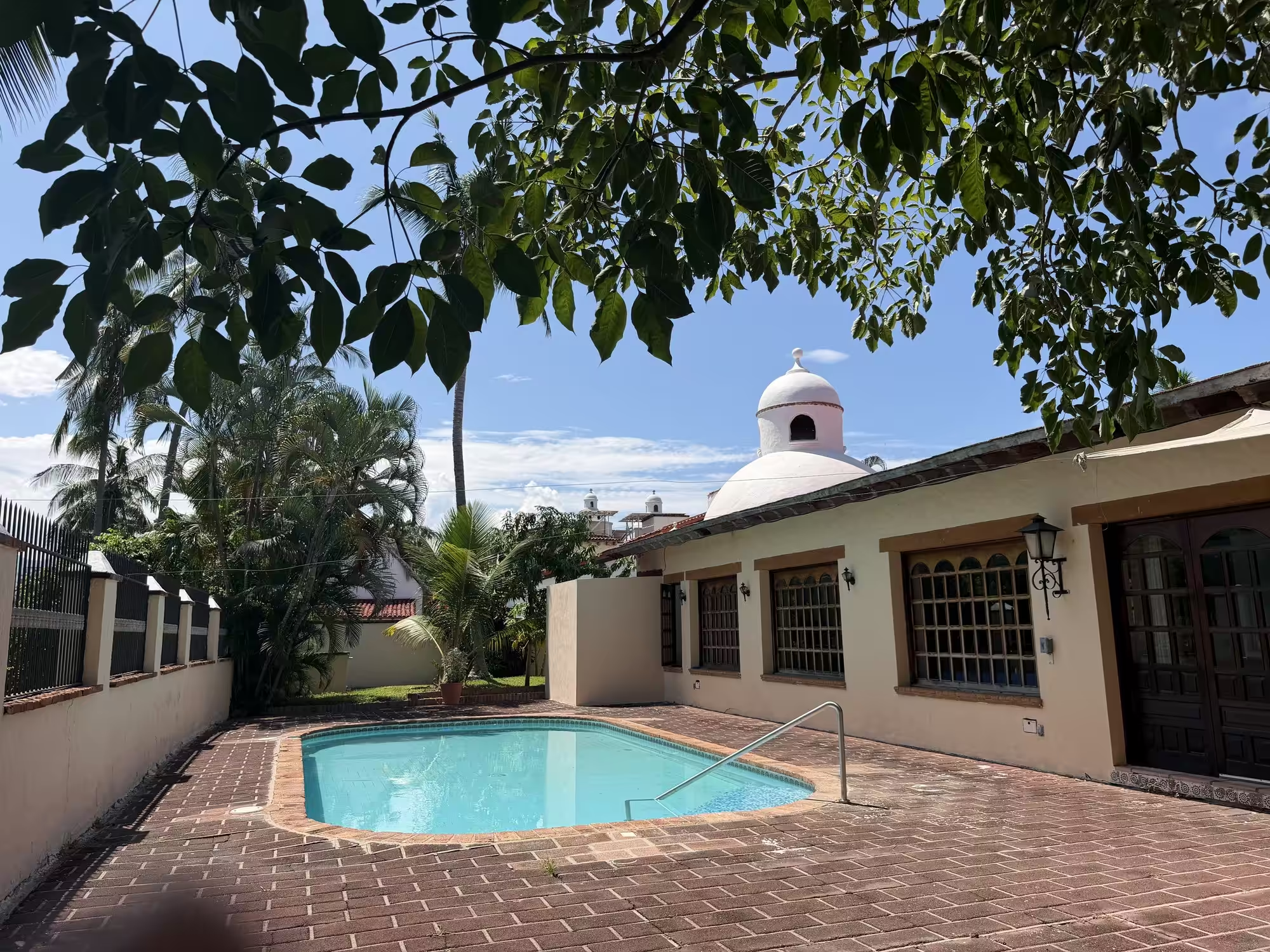
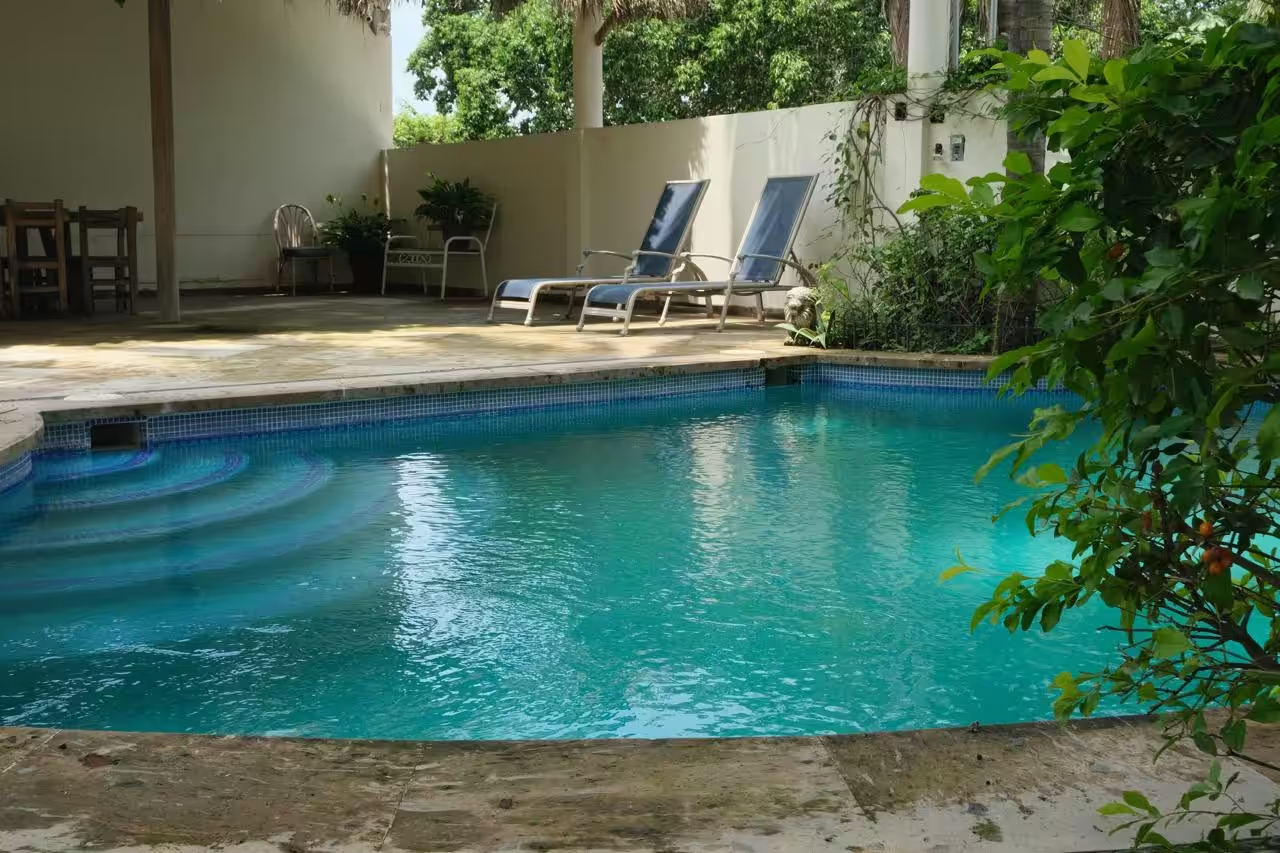
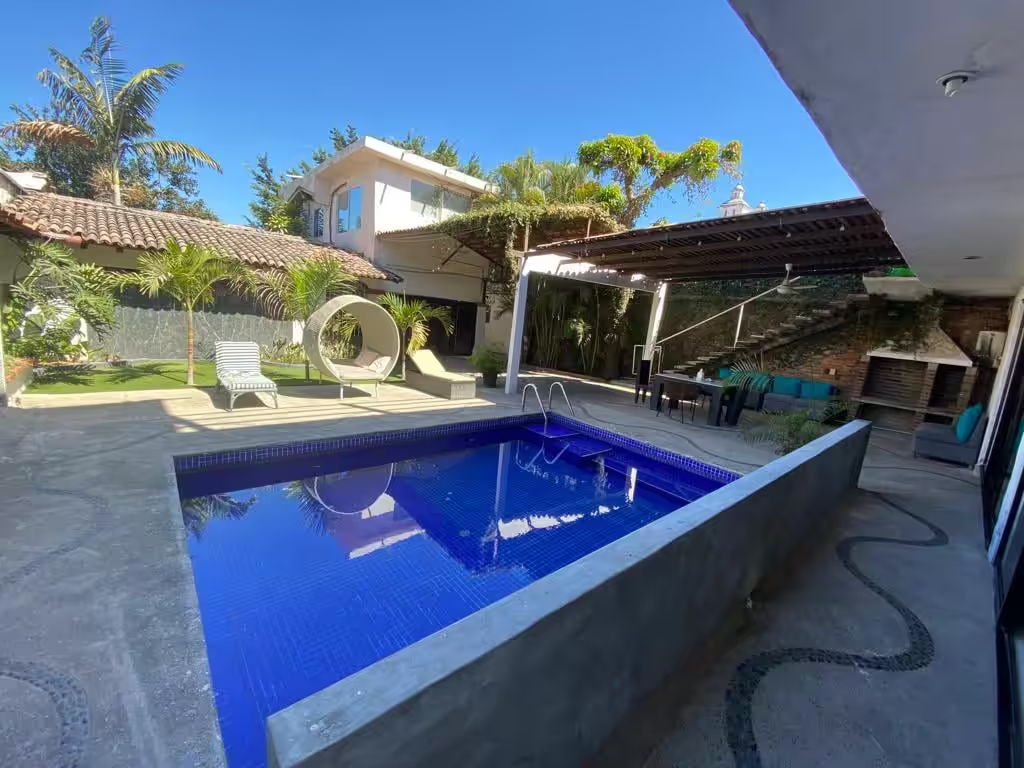
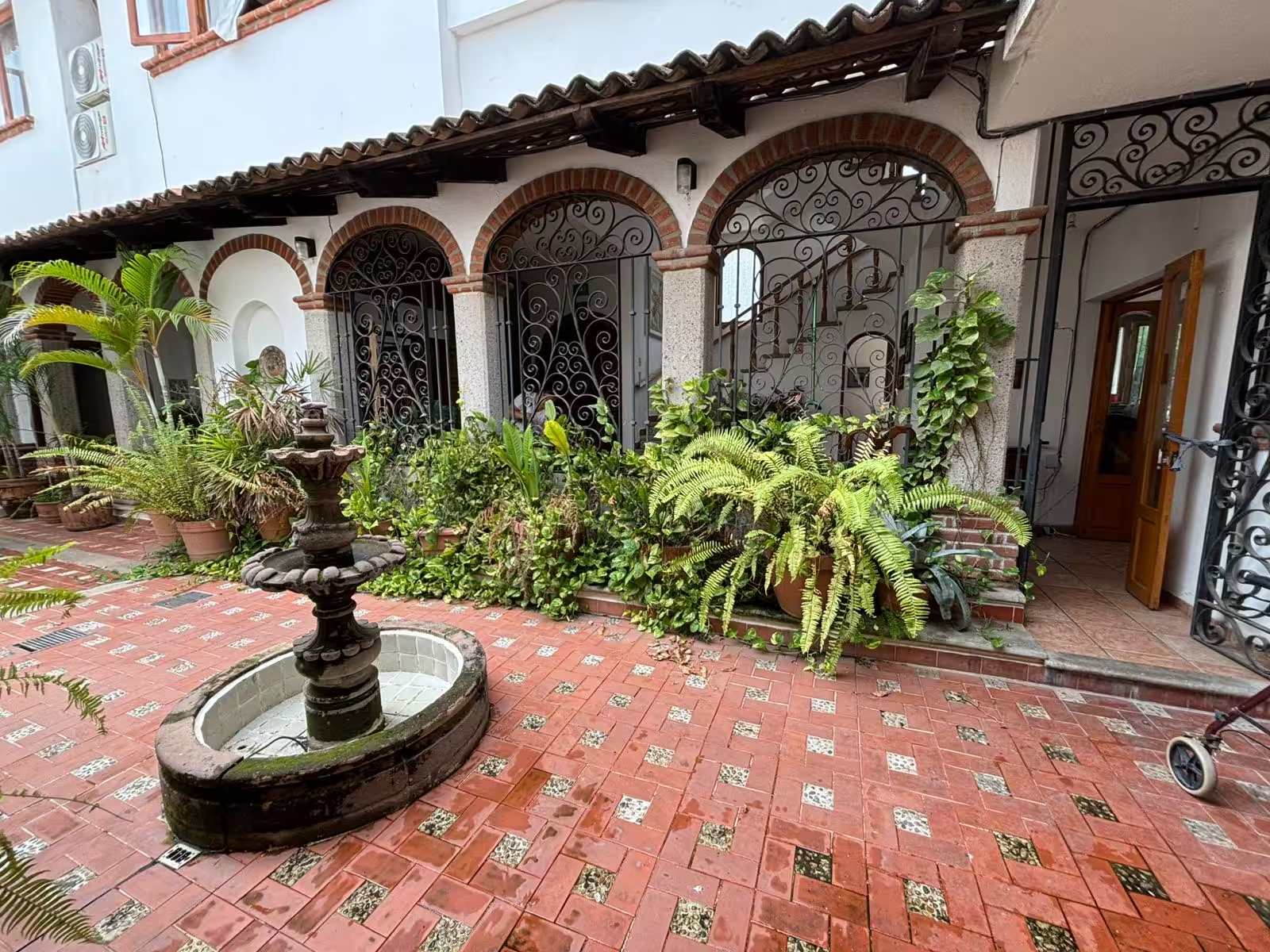
Puerto Vallarta is one of Mexico’s most complete retirement destinations, blending a tropical coastal setting with modern healthcare, full urban amenities, and a large, welcoming expat community. With its warm climate, range of neighborhoods, and direct flights home, it lets retirees enjoy comfort and peace of mind, whether they want an active beachside lifestyle or a calmer place to settle in.
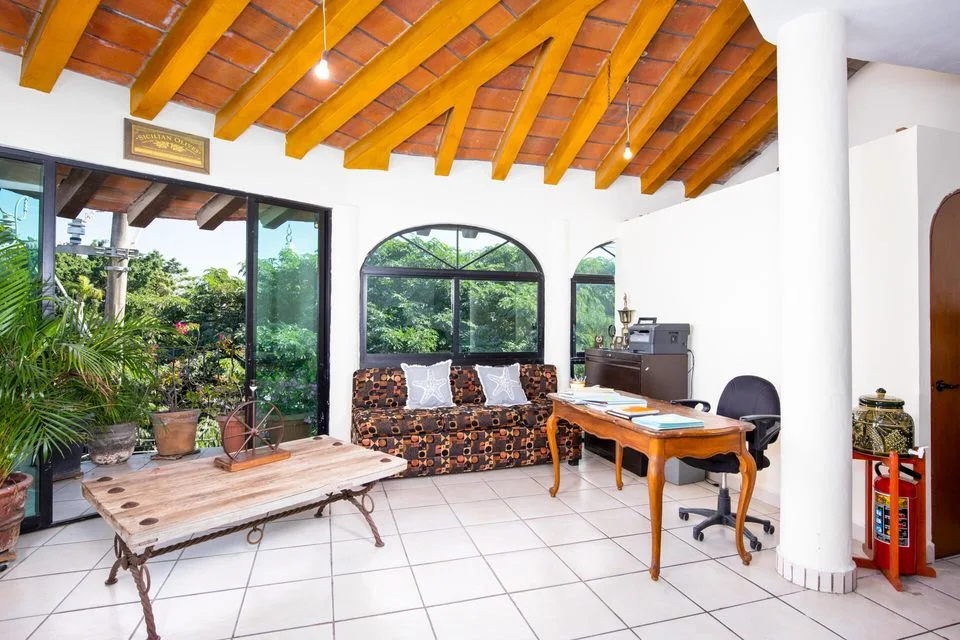
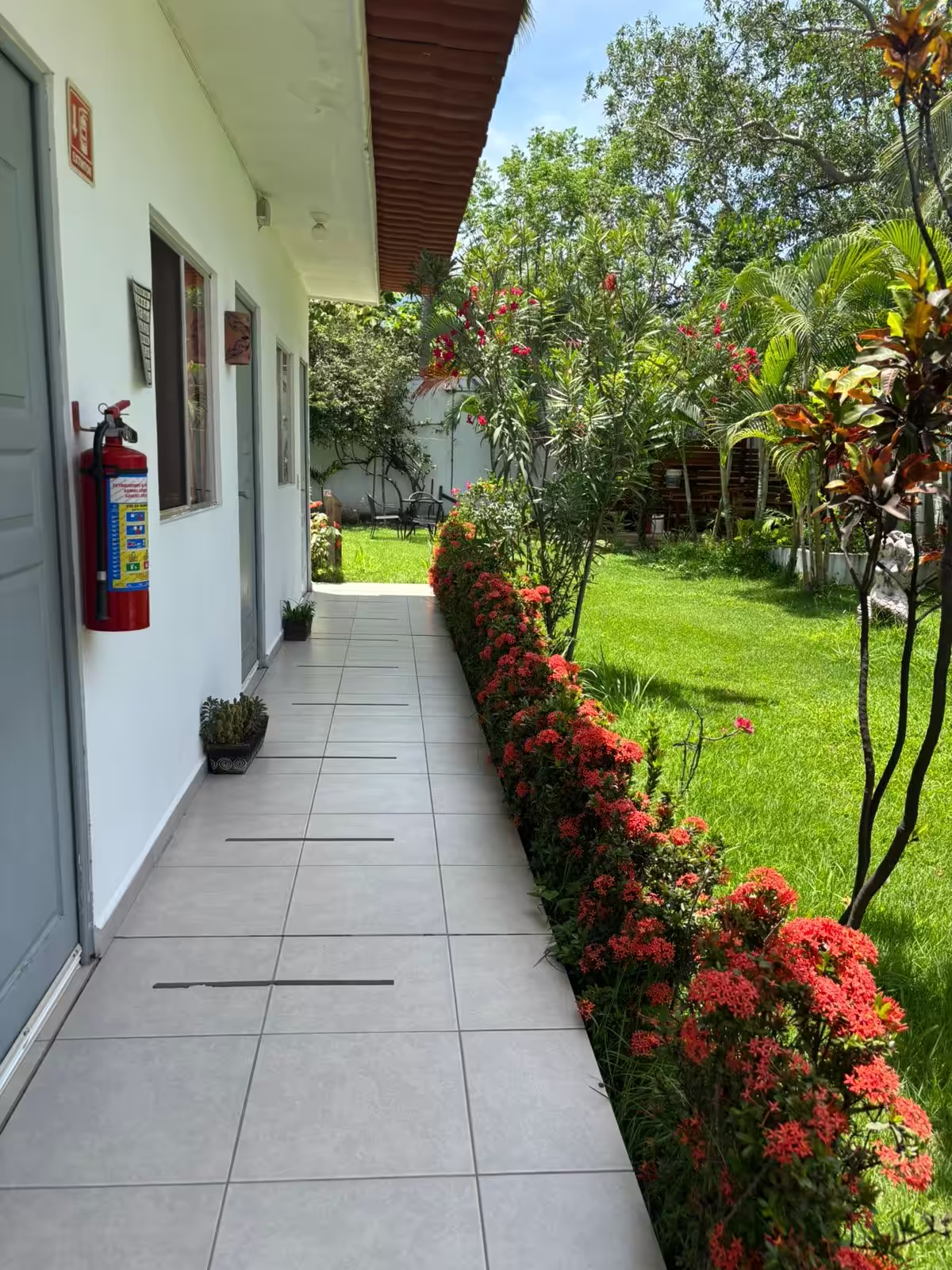
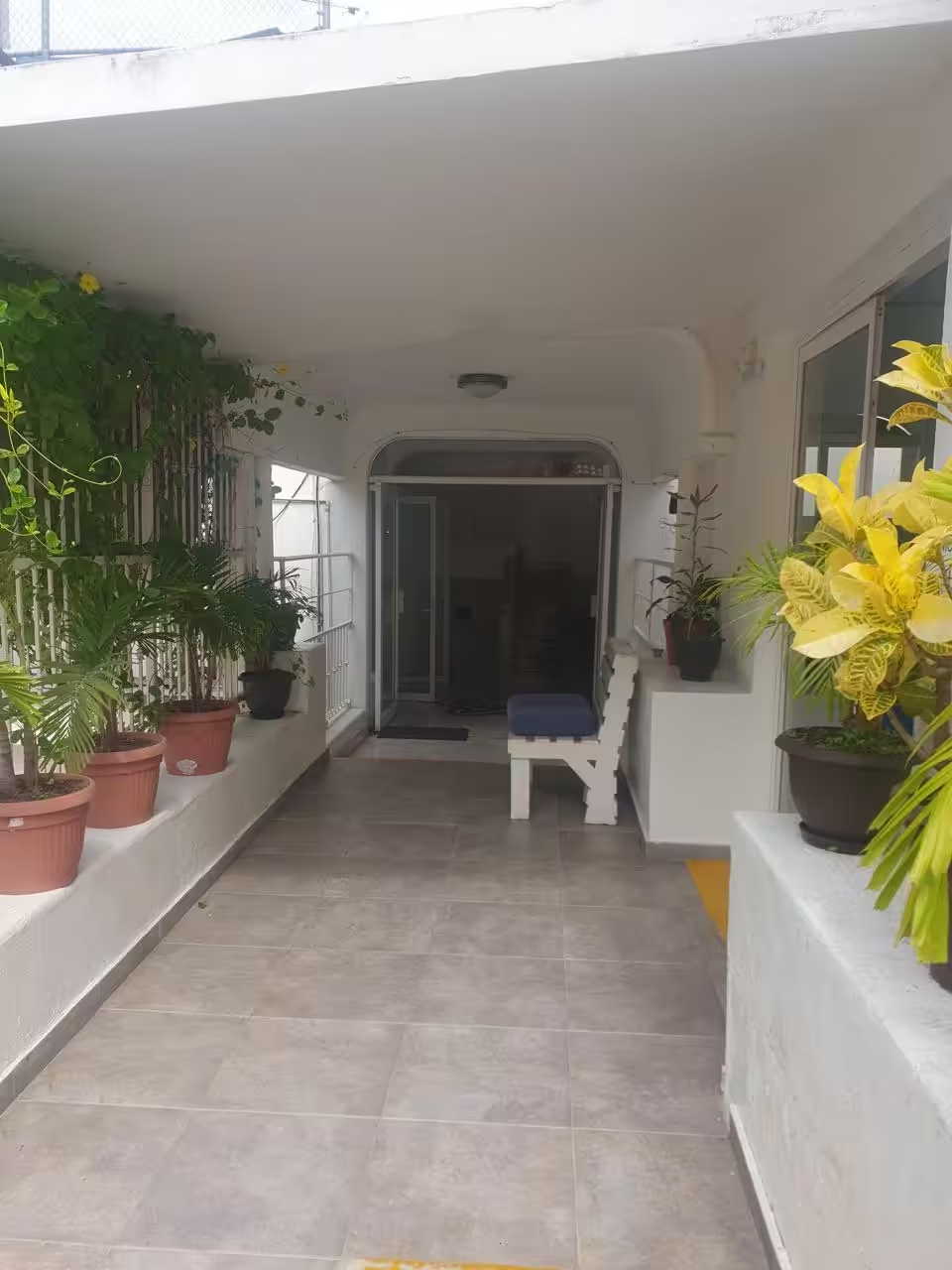
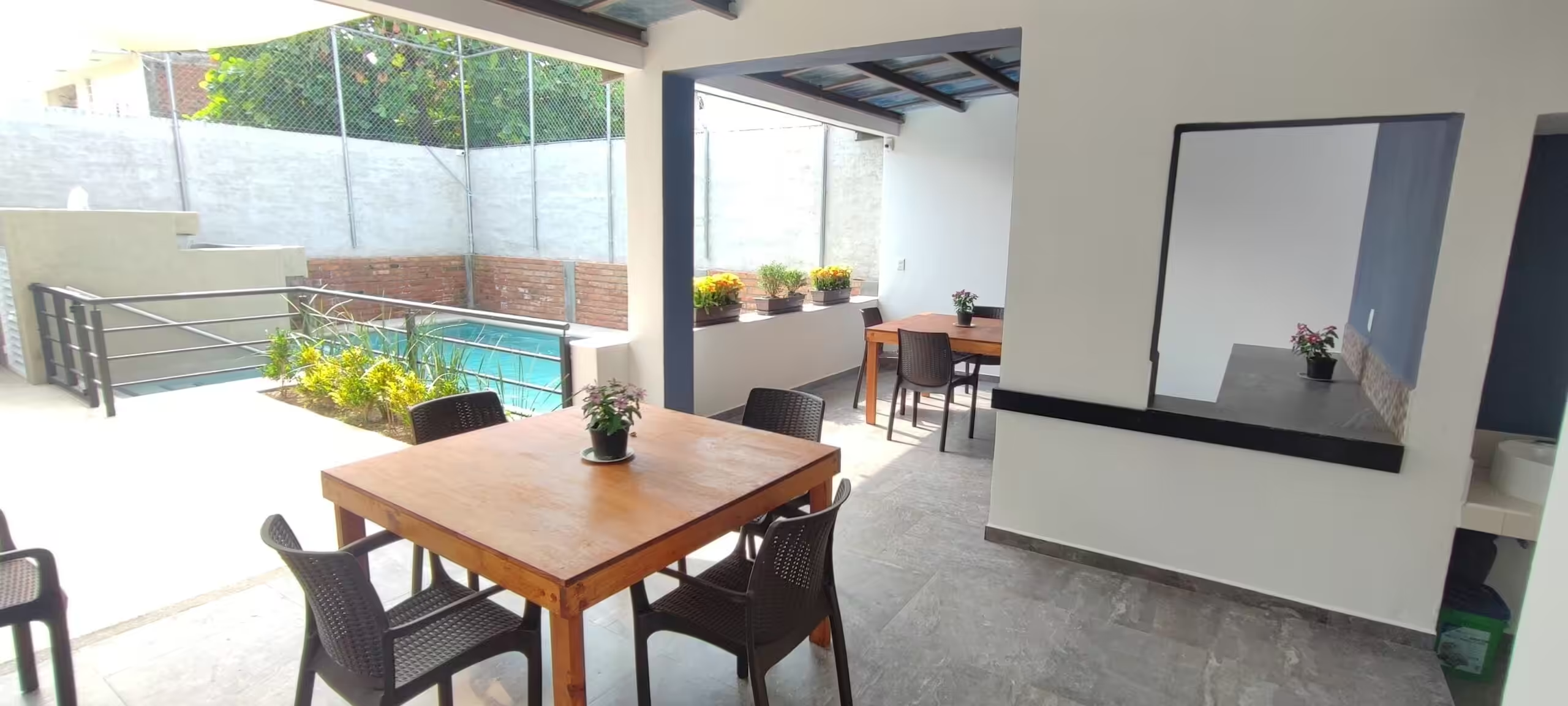
One thing to know is that Puerto Vallarta doesn’t have the dedicated independent living communities you’ll find in some other parts of Mexico. Here, many active retirees simply rent a condo or own a home and hire help with cleaning, cooking, and laundry, and full in-home care is widely available when more support is needed. What the city does have is strong options for higher levels of care: assisted living, nursing homes, memory care, and convalescent or palliative care, averaging around $2,000 USD a month depending on the level of care and room type.
We’ve toured every senior home in Puerto Vallarta, so we can help you compare them based on what matters most to you. Click here to explore Puerto Vallarta retirement homes.