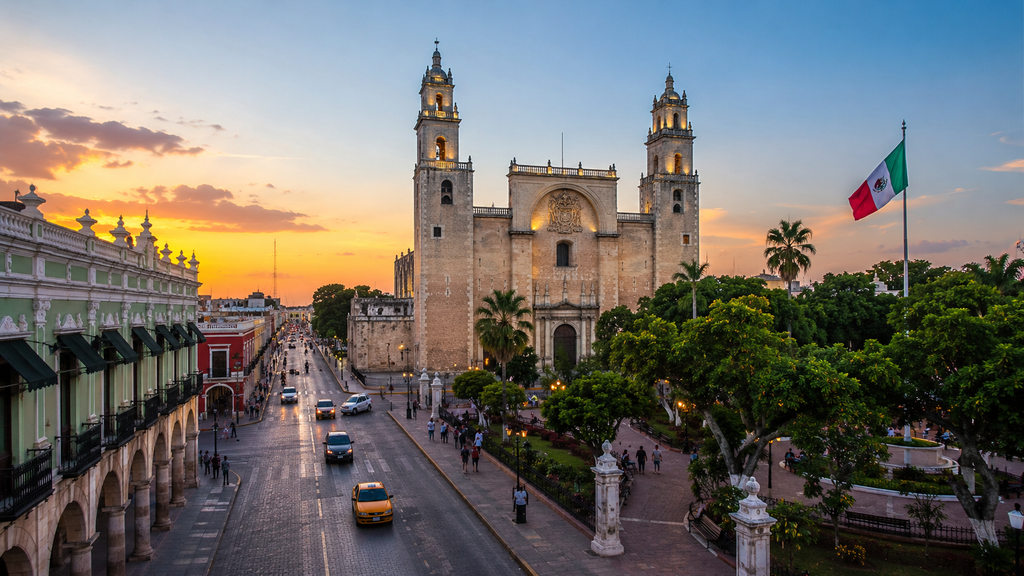
Mérida has quietly become one of the most talked about places in the Americas to grow older. For seniors and families researching where to retire in Mérida, the appeal goes beyond the city’s lower cost of living.
This guide is for people who are thinking specifically about moving into a residence or care home, whether that is you or someone you love. It walks through the different levels of care and covers what these homes cost, where they are, how you pay, which hospitals sit closest to them, and the one thing about Mérida you have to plan around before anything else: the heat.
Mérida combines strong healthcare, a comparatively safe environment, a tropical climate and a senior-care market that ranges from traditional elder homes to premium private residences.
The city sits in the country’s most peaceful state, and it has some of the best and most affordable healthcare in the region, with hospitals that draw patients from across southern Mexico and beyond. For a senior, or for a family looking after a parent from another city or another country, that combination means help is close, it is good, and it does not cost what it would back home.
Merida is the capital of Yucatán on the Yucatan Peninsula. It offers modern infrastructure while still remaining much more manageable in scale than Mexico City. Merida is not a purpose built retirement colony the way some other towns like Ajijic or San Miguel de Allende are. It is a real city of more than a million people with a long, deep tradition of caring for elders, and its senior homes grew out of that tradition.
Until fairly recently, most families here kept their abuelitos, their grandparents, at home, and residential elder care was far less common than it is today. Over the last two or three decades, as families got smaller and busier, homes of every size and style opened across the city. Most of them are Mexican homes run for Mexican families. A smaller, newer set is built for foreign retirees and runs in English.
The landscape of senior care in Mérida

There is no single “senior living scene” in Mérida. There are really four different worlds, at four very different price points, and it helps to picture all four before you start visiting.
Across Mérida and the wider Yucatán area, there are around 70 retirement homes and residential care facilities, including both private and public institutions. Prices begin at around MXN 14,500 per month, with the final cost depending on whether the room is private or shared, the level of care required and the type of facility.
- Traditional and religious asilos. An asilo is the old Mexican word for an elder home, and these are the institutions with the deepest roots in Yucatecan society, many carrying a rich history and a deep commitment to the city’s most vulnerable elderly.
They often sit in old casonas, the large old townhouses, in the historic centre or long-established neighbourhoods. Many of these older properties resemble the colonial homes found around central Mérida, with layouts that can be beautiful but need to be checked carefully for accessibility.
Expect warm, family-style care, home-cooked regional food, and rooms that are sometimes naturally ventilated rather than air conditioned around the clock. These tend to be the most affordable, and some are subsidised or run on charity.
One longstanding example is Asilo Brunet Celarain, a senior living facility with more than 120 years of history. It was established through the generosity of José María Celarain, who left 100,000 pesos in his will to create a place of shelter for people in need. The later work of the Hermanitas de los Ancianos Desamparados, a Catholic congregation that arrived in Mérida in 1963, also became part of the home’s long history of elder care in Mérida.
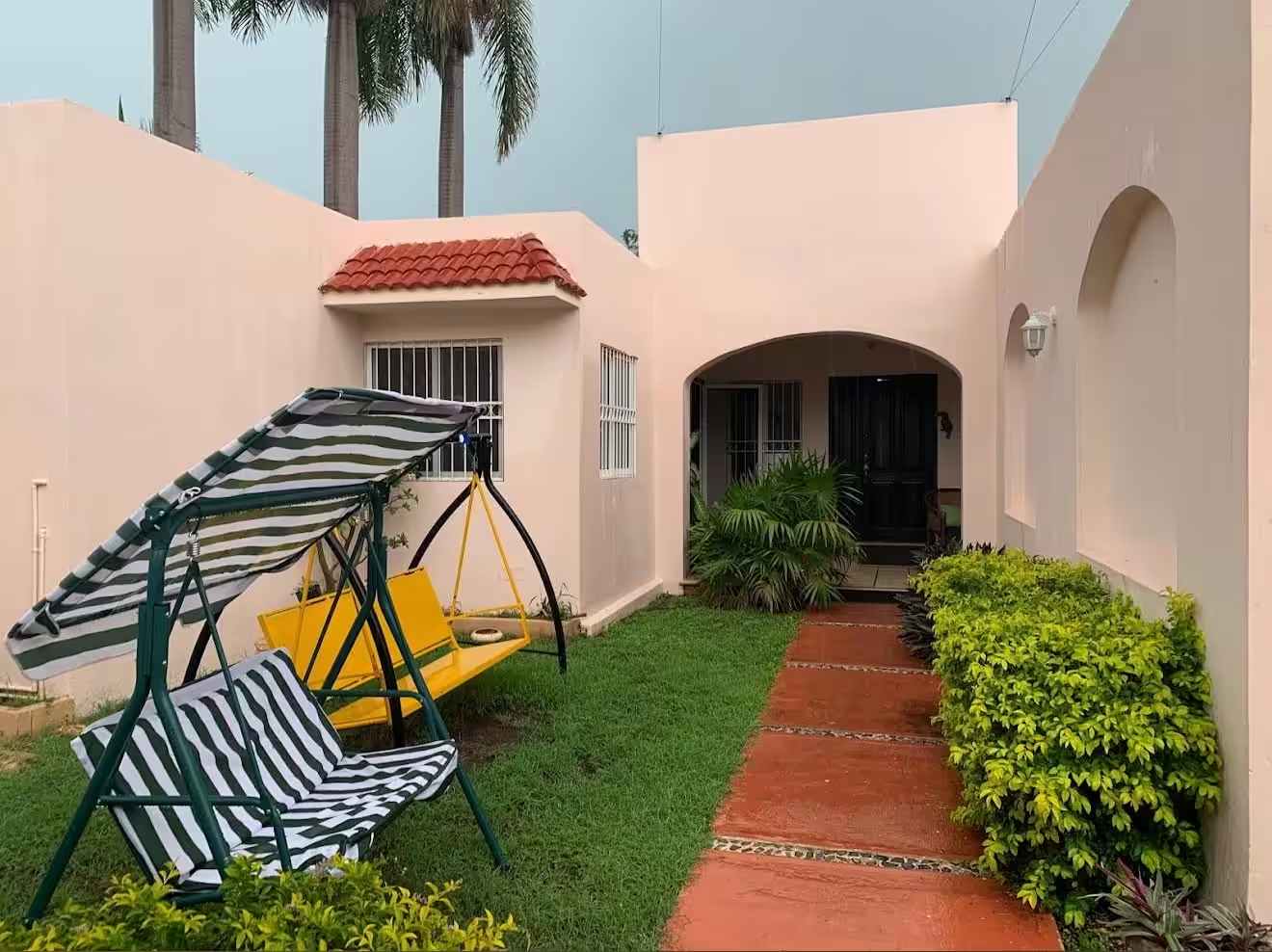
- Private residencias. A residencia is simply a private residence for older adults, usually an adapted family house in a mid-range neighbourhood, with air-conditioned rooms, on-site nursing and balanced menus. This is the middle of the market and where most families paying out of pocket end up looking.
- Premium and expat living. A small number of newer, resort-style residences in the modern north of the city, built to North American standards, with fully bilingual staff used to foreign residents and international insurance paperwork. They cost far more, and their prices compete internationally. If you are picturing the kind of independent or assisted living community you know from the United States or Canada, this tier comes closest.
These newer communities also tend to offer more modern amenities, which can matter to an independent resident who wants comfort, social activities and healthcare support in the same place. Some sit within large gated communities where shops, services, landscaped grounds and healthcare are concentrated nearby.
- Free and charitable homes. Run through the state family-services agency, known as DIF, and Catholic charities, for elders with no resources at all. Access is limited and needs a formal social-work assessment, so this is not a relocation option for a foreign retiree, but it is part of the picture.
Because these are mostly small homes, the care is shaped around each resident, and many homes blend levels of care under one roof.
Independent living in Mérida
Independent living means a healthy, self-sufficient senior who wants the meals, company, safety and convenience of a residence, but does not need daily help and wants to keep their own routine.
In much of Mexico this barely exists as a formal category, and Mérida is no exception. A fit older person here traditionally stayed in their own home, often with family or a daytime helper nearby.
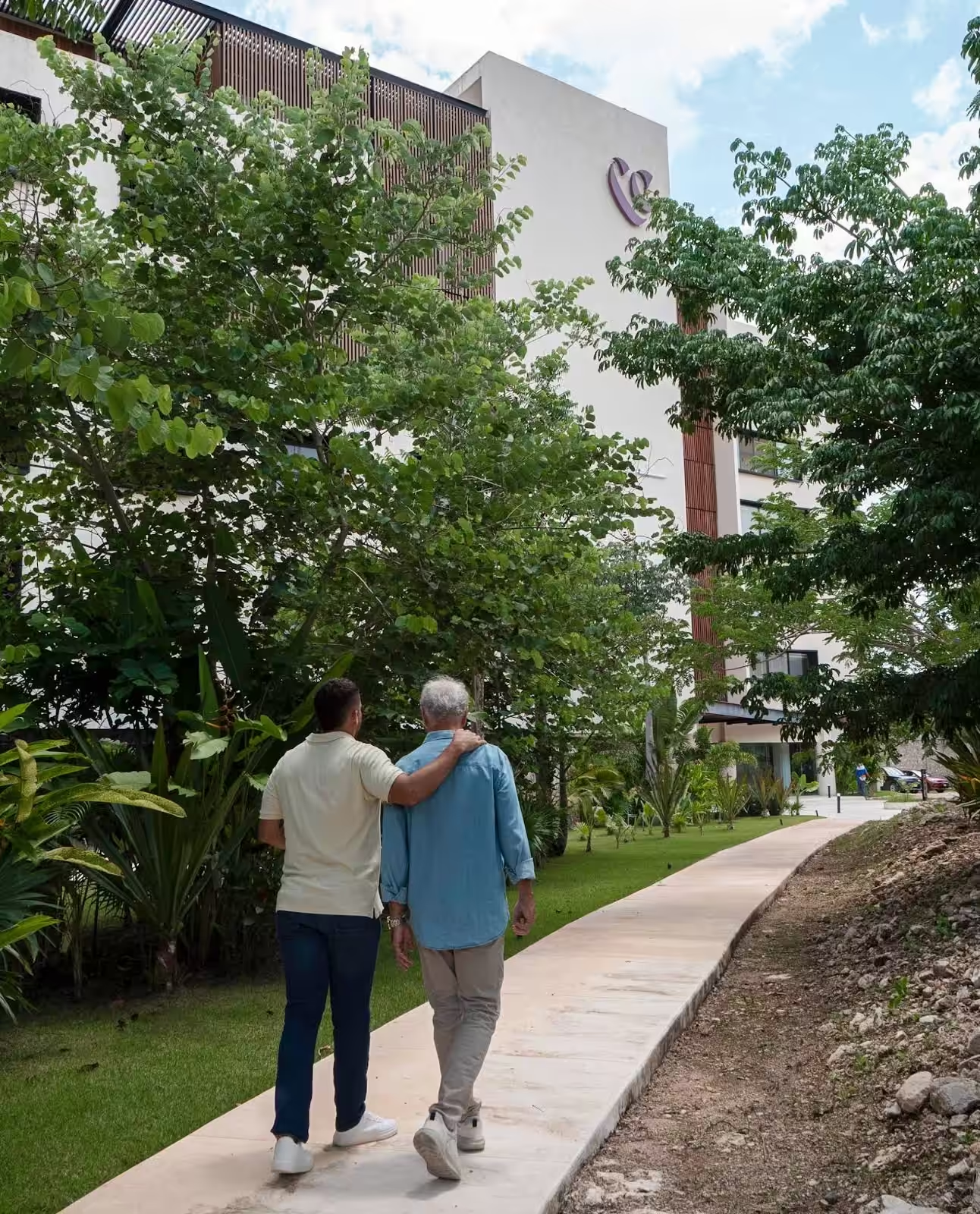
Today there are two realistic paths. The first is the premium senior-living tier. The clearest example is Casa Elite Senior Living, a set of private suites inside Cabo Norte, a large, high-end master-planned community in Temozón Norte in the far north of the city.
The wider development covers more than 160 hectares and mixes modern housing with gardens, green spaces, lakes and commercial areas. The residence itself was designed specifically for older adults, with a pool, a gym, a restaurant-style dining room, physical therapy on site, and around-the-clock nursing.
Its approach is summed up in the message, “El amor también se cuida,” reflecting the emphasis on care, comfort and connection alongside the physical setting.
It takes both independent residents and residents who need more care, which is exactly what lets someone move in while healthy and stay as they age. Casa Elite also offers suite-purchase options.
The second path, and the one many foreign retirees actually take, is not a residence at all. They buy or rent a home and bring in help as they need it, from a housekeeper and a daytime companion to visiting nurses.
For example, a healthy couple might compare the cost of a modern two bedroom apartment plus part-time help with the monthly fee of an independent-living community. Others may prefer one of Mérida’s colonial homes, although stairs, narrow bathrooms and uneven floors can make an older property difficult if mobility later declines.
For someone comparing the wider cost of living with residential care, this can sometimes work financially, but it also means arranging carers, meals, maintenance, transport and emergency support separately.
If a residence markets itself as independent living, ask the question that matters most: is there a nurse on site, and can I stay in the same home if I later need nursing or memory care?
Assisted living in Mérida
Assisted living is for a senior who is still doing well overall, but who is starting to need a hand day to day. That might be some loss of mobility, a knee or a hip that no longer trusts the stairs, or very mild memory changes.
Staff handle laundry, cooking and cleaning, give medication reminders, and offer discreet help with bathing, dressing or the bathroom for anyone who wants it. The feeling to look for is not of being watched every minute, but of knowing help is there the moment you need it.
In Mérida this is delivered mostly by the private residencias and some of the traditional homes, usually small houses with a handful of residents, which is part of their appeal. When mobility is the main concern, ask each home directly about the layout.
- Are there handrails, roll-in showers, and doorways wide enough for a walker or wheelchair?
- Are ground-floor rooms available, so stairs are not a daily obstacle?
- Is the air conditioning in the room reliable and running around the clock? In this climate that is essential, not a luxury, and not every traditional home runs it constantly.
- Does the home keep residents as their needs grow, blending in nursing or memory care, so no one has to move house if their health declines?
For a family building a monthly budget, assisted living should be priced according to the actual support required rather than the room rate alone. Housing costs are only one part of the calculation once medication support, personal care, transport and nursing are involved.
Nursing homes in Mérida
Nursing care is for a senior who needs medical support and hands-on help through the day and night, whether from a chronic condition, recovery after a fall or surgery, or simply advanced age.
In Mérida, nursing care and assisted living very often overlap inside the same small home, and because the communities are small, there are daily routines but the care is tailored to the person.
What varies a great deal is the staffing. Some homes are run by enfermeras, trained nurses, on every shift. Others rely on cuidadoras, trained caregivers, with a nurse supervising or on call. Many arrange for a doctor, often a gerontólogo, a doctor who specialises in older patients, to visit weekly or monthly.
When you visit a home for nursing-level care, keep the questions concrete:
- Is there a licensed nurse on every shift, including nights?
- Is there a doctor on call, and how often does one actually visit?
- Does the home hold a current sanitary licence, the licencia sanitaria, for the level of care it provides?
The private residencias that advertise 24-hour nursing sit at the upper end of the local market, and the premium residences in the north offer nursing with the added reassurance of an on-site clinic and bilingual medical staff.
The charitable homes give loving, continuous care but are generally simpler on the medical side.
Memory care in Mérida
Mérida has one residence dedicated entirely to Advanced memory care. Merida Memory Care describes itself as the only assisted-living home in the city built solely for Alzheimer’s and dementia care, and it has focused on memory care since 2015.
It keeps a nurse on site around the clock, works with a team that includes physical and occupational therapists, nursing staff, a psychologist and a nutritionist, coordinates with the resident’s own doctor, and serves home-cooked meals through the day.
Beyond it, GeriaMid in the Montes de Amé neighbourhood offers care for people living with Alzheimer’s and other dementias, and a number of general residences accept residents with dementia, Alzheimer’s or Parkinson’s alongside their other care.
If you are considering a general home for a person with dementia, two questions matter above all:
- Is the home secured, so a resident cannot wander out?
- How do residents actually spend the day?
The best memory-care homes do not do everything for a resident. They invite the person to keep taking part in ordinary life, setting a table, folding napkins, watering a plant, even when the task never gets finished, because staying involved protects a person’s sense of purpose and keeps the abilities they still have in use.
Alongside that, a gentle and predictable rhythm, with music, light exercise and simple activities, keeps the day calm. When you visit, watch what the residents are doing, not just how the building looks.
Convalescent and temporary stays in Mérida
Not every stay is permanent. After surgery, a fall, or a hospital discharge, many seniors just need a safe place to recover for a few weeks, with staff on hand for medication, wound care and getting steady on their feet. Several homes and agencies offer this, and at least one runs a dedicated post-hospital recovery house. A short convalescent stay gives you round-the-clock help until you are steady, and then you go home.
The other temporary service is respite care. Sometimes a senior has just one caregiver, often a spouse, with no one to step in, and that caregiver puts off their own rest and travel for years.
Several homes take temporary residents for exactly this, looking after your loved one for a few weeks while you are away, with the same care a full-time resident gets. If you are the one doing the caring, this is your permission to take a break.
In-home care and support
Not everyone needs, or wants, to move into a home. Around Mérida there is a growing, affordable range of care that comes to you.
- Nurses and caregivers at home. Established agencies staffed by nurses and trained caregivers work in shifts of eight, twelve or twenty-four hours, day or night.
Vitality Home Health Care is one, covering dependent care, chronic and post-surgical needs, remote monitoring for elders who live alone, and consulting for families; the same founders started NovaVida, described as the city’s first day centre for older adults. Many independent caregivers work here too.
- Daily-living and companionship support. For seniors who do not get out much, help goes beyond the medical: grocery shopping and delivery, errands, rides to appointments, help with technology, and simple company. Many of the residences offer some of these services to non-residents as well.
Someone continuing to live independently can also use nearby local markets for groceries and fresh produce, particularly if a caregiver or companion helps with shopping and errands.
As a rough guide, in-home nursing and caregiving in Mérida can be considerably less expensive than comparable North American care, but rates depend on hours and clinical needs.
For some families, that difference in the cost of living and cost of care is what makes it possible for an older relative to receive more daily support than they could afford at home.
Why retire in Mérida for senior care
Mérida brings together a set of things that are hard to find in one place.
For anyone asking whether to retire in Merida personally or move a parent there for care, the most useful comparison is not simply Mérida versus another destination. It is whether the city can support the resident’s medical, practical and social needs over time.
- Safety. Yucatán ranked Mexico’s most peaceful state for the ninth consecutive year in the 2026 Mexico Peace Index. It is also one of only two Mexican states carrying the United States State Department’s lowest travel-advisory level, the same “exercise normal precautions” tier used for ordinary destinations, and international rankings have placed Mérida among the very safest cities in the Americas.
For an older person who wants to walk to a café, and for a family worrying from afar, this is the foundation everything sits on.
- Healthcare. Mérida is a major medical hub in southeastern Mexico, with several modern hospitals, a respected medical school and private specialists, including English-speaking physicians. Private healthcare can cost considerably less than comparable care in the United States, depending on the provider and procedure.
- Cost. The full range of care, from a charitable asilo to a premium residence, can cost less than comparable care in the United States or Canada, and the general cost of living is lower too. For a family comparing Merida Mexico with Mexico City or major North American cities, that can materially change the level of care a monthly budget can support.
A family with a larger or luxury budget can consider premium bilingual residences with private suites, extensive amenities and on-site clinical support, while lower-cost options include smaller private residencias and traditional homes.
- Culture and warmth. Some traditional homes emphasise family-style care, shared meals and a sense of belonging alongside practical support.
That sense of belonging is part of what families often look for when choosing a home: not only medical oversight or practical support, but somewhere a resident is included in everyday life, conversation and the local community.
Mérida carries a rich cultural heritage shaped by its rich Mayan history and colonial heritage. Plaza Grande has been at the centre of civic life since the city was founded in 1542, while Mérida Fest, the Mayan World Museum, art galleries, free concerts, the Thursday Serenata de Santa Lucía, Pok Ta Pok and Mérida en Domingo give residents regular ways to remain connected to the city’s vibrant culture.
Around the city center, local markets, fresh produce and street food also remain part of everyday life rather than attractions reserved for visitors. The historic centre retains much of Mérida’s colonial charm, while its cultural calendar keeps residents connected to life outside the walls of a retirement home.
The city may not have the number of world class museums found in Mexico City, but museums, public squares, festivals and community events provide plenty of ways for an active older resident to stay engaged.
- Bilingual care. In the mid-range and premium homes, and with many doctors, daily care and appointments can happen in English, though a little Spanish always helps.
For a family considering whether to retire in Merida or move a loved one into care there, the city offers a reassuring balance: affordability, professional medical oversight and a cultural warmth that is hard to match.
Climate and weather at Mérida
Read this section twice, because the climate is Mérida’s single biggest trade-off, and it is the opposite of what draws people to a cool mountain town.
Mérida has a tropical climate and an average temperature of about 26.6°C (80°F). April through August is the hottest period, and temperatures can reach around 40°C (104°F).
For someone who actively wants warm weather, Mérida’s winters can be attractive, but the summer heat is a very different proposition for a frail older adult.
Rain is concentrated more heavily in the warmer months. The Yucatan Peninsula also sits in the Atlantic hurricane region, with hurricane season running from June through November.
For a senior, the practical consequences are clear:
- Reliable air conditioning is not optional, and it is the first thing to confirm in any home.
- Heat is hard on people with heart or lung conditions and worsens dehydration, so daily life is planned around it: errands and walks happen early morning or in the evening, and the middle of the day is for staying cool indoors. This is why many homes prefer visiting hours in the morning or late afternoon.
- Anyone who cannot tolerate heat, or who has a serious cardiac or respiratory condition, should talk to their doctor before moving.
Is Mérida the right fit
Mérida tends to be a good fit for a senior who wants:
- A very safe, culturally rich city with an established community
- Excellent and affordable healthcare, with major hospitals and many English-speaking, internationally trained doctors close at hand
- The full range of care, from an affordable charitable asilo to a mid-range private residence to a premium bilingual senior-living community
- A lower cost of living and cost of care than the United States, Canada or many Mexican coastal destinations
- Mostly flat, paved streets in the historic centre, which are easier for walkers and wheelchairs than the cobblestones of many colonial cities
Mérida also sits close to sea level, so there is no high-altitude adjustment. That can be an advantage for some older adults with heart or lung concerns compared with higher-elevation retirement towns, although Mérida’s heat and humidity still need to be considered separately with a doctor.
Mérida is less ideal for someone who:
- Cannot tolerate heat, or has a serious heart or lung condition that does poorly in a hot, humid climate
- Wants to live somewhere cool and mild year round
- Wants a compact, walkable village where everything is a short stroll away, since the modern northern neighbourhoods where the premium homes sit are spread out and built around the car
- Wants to live at the beach, though the beach towns of Progreso and Chicxulub on Yucatán’s northern coast are within reach
- Needs to do daily life entirely in English with no Spanish at all, which is easier in the mid-range and premium homes than in the traditional ones
For families wondering whether Merida Mexico is the right fit, these practical key factors matter much more than a general ranking of retirement destinations.
Mérida’s neighbourhoods for senior care
Mérida is large, and its senior homes cluster in a few distinct areas. Knowing where they are helps you picture daily life, and how close a resident would be to hospitals, shops and family.
- The historic centre and traditional colonias. The Centro Histórico and nearby long-established neighbourhoods hold the oldest charitable and religious asilos, often in grand old townhouses and colonial homes. This is the most walkable part of the city and is relatively flat, though some historic sidewalks are narrow or uneven and accessibility varies block by block. The city center also puts residents close to Plaza Grande, local markets, cultural events and other everyday services. For an independent older adult living in one of these colonial homes, the ability to reach shops and cafés on foot may be a real advantage. The trade-off is that these older homes are the most likely to rely on natural ventilation, so confirm the cooling carefully.
- García Ginerés and Itzimná. Established, leafy neighbourhoods around and just north of the centre. García Ginerés is home to Clínica de Mérida, which makes it convenient for anyone who wants a hospital nearby.
- The northern zones: Altabrisa, Montes de Amé, Temozón Norte and Cabo Norte. This modern, growing part of the city holds premium senior living, newer hospitals, gated communities, big box stores and more modern amenities. It is comfortable and well serviced, but spread out and built around the car, so it suits a resident less if they want to walk to things independently.
- Pensiones, Francisco de Montejo and Las Américas. These mid-range residential areas hold many of the private residencias, the adapted family houses that make up the middle of the market. Practical and residential, away from the tourist centre.
- The coast: Progreso and Chicxulub. About forty-five minutes north, on the Gulf, there are some rest homes for retirees who want a quiet seaside life.
The point is not to choose the neighbourhood with the most attractive colonial homes or newest development. For senior care, proximity to the right hospital, accessible transport and the home’s staffing should come first.
The cost of senior care
A home’s monthly fee may bundle some combination of the room, care, meals and utilities into one price, per person. What you pay depends mainly on whether the room is private or shared, the level of care, the type of facility, and whether care comes from licensed nurses or trained caregivers.
This is where Mérida’s broader cost of living matters. Daily expenses, transport and many healthcare services can remain lower than in North America, but the level of care required is still the biggest factor in the resident’s final monthly budget.
Prices in the local market are usually quoted in Mexican pesos (MXN). These are current starting points and typical ranges; always ask each home for a quote for your own situation.
- Traditional and religious asilos, from about 8,000 MXN a month in third-party directory estimates. The deep-rooted charitable and family-style homes. Some are subsidised: the best-known charitable institution in the state sets fees on a sliding scale based on a family’s means, so the real cost can be far lower.
- Private residencias, from about 14,500 MXN a month in one current directory. The air-conditioned, nursing-staffed residences that make up the middle of the market. Many cluster in the 14,500 to 18,000 range, while the more equipped private homes run higher, into the 20,000s and beyond.
- Premium senior living. Current Casa Elite listings show service-module fees around MXN 39,000 to 59,000 per month depending on care needs, with housing costs structured separately.
- Free charitable homes. Run through DIF and Catholic charities for elders in real hardship, with limited access and a formal social-work process.
A few practical points before you sign:
- Because of the heat, air conditioning runs hard, and some homes charge a base monthly fee but bill your room’s air-conditioning electricity separately, by meter. Ask what else costs more, since some homes include diapers and transport to medical appointments and others charge for them.
When comparing the cost of living at home with residential care, make sure the calculation includes everything the residence bundles into its fee rather than comparing rent alone.
Your monthly budget should also leave room for medication, specialist consultations, personal items, family visits and any care services not included in the base rate.
Paying for care
Payment policies vary by residence. Confirm currency, accepted payment methods, deposits, and whether any medical services may be reimbursable under your insurance before you commit.
If you are paying from abroad, exchange-rate changes can affect the monthly cost when fees are billed in pesos.
If an adult child or relative will manage finances or healthcare decisions from a distance, obtain Mexican legal advice on an appropriate power of attorney or other planning documents.
Healthcare and hospitals at Mérida
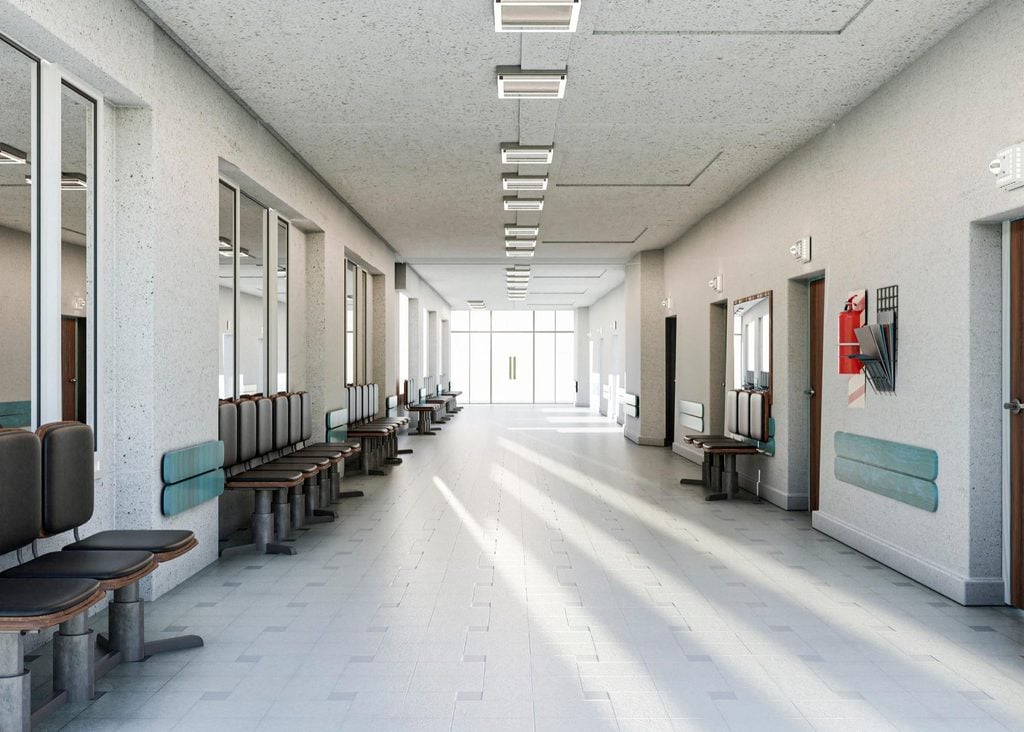
Mérida’s hospitals are one reason many families feel comfortable placing a parent here. Private care can cost considerably less than comparable care in the United States, depending on the provider and procedure.
Private-hospital payment and insurance arrangements vary, so confirm deposit requirements and whether your insurer pays the provider directly or reimburses you afterwards.
The city’s four major private hospitals:
- Hospital Star Médica, in the northern Altabrisa neighbourhood at Calle 26 No. 199, Col. Altabrisa, 97133. Phone 999 930 2880. A major private hospital with specialists in areas including pediatrics, neurology and cardiology, plus imaging and emergency care.
- Clínica de Mérida, at Avenida Itzáes No. 242, García Ginerés, 97070. Phone 999 942 1800. A full-service hospital offering physiotherapy, an osteoporosis centre, dialysis, imaging including mammography, intensive care and an ambulance service. Many of its doctors speak English.
- Centro Médico de Las Américas (CMA), downtown near Paseo de Montejo at Calle 54 No. 365 between Calle 33-A and Avenida Pérez Ponce. Phone 999 926 2111. A comprehensive general hospital with a broad range of specialists and modern facilities.
- Hospital Faro del Mayab (Christus Muguerza), the newest of the four, in the fast-growing north at Calle 24 S/N, Temozón Norte, Santa Gertrudis Copó, 97305. Phone 999 689 4500. Opened in 2019, it belongs to Christus Health, a Catholic nonprofit international health system. It sits right beside Temozón Norte and Cabo Norte, so residents of the premium homes there are only minutes from a major hospital.
On the public side, Mérida also has regional public hospitals and the public insurance clinics of IMSS and ISSSTE. Eligible legal residents can enrol in IMSS voluntarily for an annual age-based fee, though it covers its own network and has exclusions for some pre-existing conditions.
A major 2026 update is the opening of the new Hospital General Dr. Agustín O’Horán under IMSS-Bienestar in May. The new hospital has more than 650 beds, 43 specialties and 16 operating rooms, with services including MRI, dialysis and robotic surgery.
For voluntary IMSS coverage beginning in 2026, the annual age-based premiums are MXN 20,600 for adults aged 60 to 69, MXN 21,500 for ages 70 to 79 and MXN 22,150 for people aged 80 and over. The fee is charged annually by age rather than as one flat monthly premium, and exclusions for some pre-existing conditions still apply.
For legal residents considering public coverage, it is worth checking eligibility before relying on IMSS as the main form of healthcare, especially when an existing condition requires regular specialist treatment.
For an emergency anywhere in the city, dial 911. Private hospital emergency rooms and Red Cross (Cruz Roja) ambulances operate in Mérida, and it is sensible to keep the number of your nearest hospital and your preferred English-speaking doctor to hand.
To find a specific specialist such as a geriatrician, Doctoralia is Mexico’s main doctor directory, with reviews and online booking, and local groups are good for current recommendations. Some residences include regular doctor visits, so ask.
Getting around Mérida
Once driving is off the table, getting around looks different, so ask each home exactly what transport it provides. Some include a set number of trips a week or month, group outings and rides to appointments; others keep a driver they can call, at the resident’s cost, and many charge extra when a caregiver needs to come along, which is common at higher levels of care.
For public transportation in the city at large:
- Va y Ven buses. Easy to spot in bright blue, air conditioned and built for accessibility, with ramps, priority seating and level access, which makes them usable for many older riders and a real change from the older city buses, most of which are not wheelchair friendly.
You pay with a rechargeable card, not cash on board; a general card costs 30 pesos. The standard fare is 12 pesos, while older adults and students with the relevant social-fare card pay 5 pesos and people with disabilities ride free. There is also a free circulator route through the historic centre, Circuito Enlace, created specifically to help older people, people with disabilities, pregnant women and adults with young children.
Older adults can also apply for a Va y Ven social-fare card; the first social card is free.
- IE-TRAM. A newer, all-electric tram-style service connecting outlying areas to the La Plancha park in the centre.
- Ride-hailing apps. Uber, Didi and InDriver all operate here, are inexpensive by North American standards, and are the simplest option for anyone who does not speak Spanish, since you do not have to explain your destination to a driver.
Uber’s current airport guidance also allows pickups from Mérida International Airport through the pickup point shown in the app.
- Taxis. Widely available, hailed on the street or found at stands near plazas and hotels.
On foot, the historic centre is relatively flat and walkable, but historic sidewalks can be narrow or uneven and accessibility varies block by block. Paseo de Montejo is a pleasant walk in the cool of the morning or evening. The heat can make walking any distance at midday unwise for a senior.
The modern northern neighbourhoods are comfortable but spread out, so a resident there relies on the home’s transport, a taxi or an app rather than walking.
Senior life, activities and support
Mérida offers seniors a substantial mix of organised activities, community spaces and cultural life.
- The Mérida English Library. A nonprofit community library in the historic centre with thousands of English books, and far more than a library. It runs author talks, book clubs, movie nights, neighbourhood walking tours, and a weekly conversation evening in its garden where foreign residents and locals practise each other’s languages, which doubles as exactly the kind of social club where you can improve your Spanish.
- Local groups and activities. Social groups organise everything from breakfasts and language exchanges to bowling and cultural outings, while Spanish-language neighbourhood groups can help residents connect more closely with the local community.
- Caregiver support. For families dealing with dementia, the specialised homes and home-care agencies are the main source of help, and some agencies run caregiver groups, so you are not doing it alone.
- INAPAM discounts. Adults aged 60 and over who meet the requirements can obtain an INAPAM card, which gives access to discounts offered by participating providers across areas such as transport, recreation, culture, education and other goods and services. Discounts vary by provider, so it is worth asking each residence which local benefits residents regularly use.
For an active resident, the wider city also offers museums, public events and access to local markets rather than life being limited to activities organised inside the residence.
Faith and churches in Mérida
Mérida is a deeply Catholic city, and Roman Catholic churches are everywhere, though Mass is almost always in Spanish.
For English-language worship, St. Luke’s is an Anglican and Episcopal congregation; check directly with the church for current English-language service times and location.
Down at the coast in Progreso there is a bilingual Presbyterian church for those living seaside, and there are also active Latter-day Saint and Seventh-day Adventist congregations in the city.
What to know before moving to Mérida
A few local realities are worth planning for, so there are no surprises.
- The heat. It shapes daily life, makes reliable air conditioning essential, and deserves a conversation with your doctor if you have a heart or lung condition.
- The rainy and hurricane season. From about June to October, heavy afternoon downpours are normal and the storm risk is real. Homes are used to it, but it is part of the calendar.
- A spread-out city. The historic centre is walkable and flat, a real advantage over cobblestoned colonial towns, but the modern northern neighbourhoods where the premium homes sit are built around the car. Think about where a resident would spend their days and how they would get around without driving.
- Spanish helps. Daily life and care can be done in English in the mid-range and premium homes and with many doctors, but the traditional homes and much of the city run in Spanish. If you are able to speak Spanish, even a little, daily life can become considerably easier.
- The airport. Mérida International Airport has direct flights to several United States cities, including Miami and Houston, plus onward connections, which makes family visits and trips home practical.
Its full name is Manuel Crescencio Rejón International Airport (MID).
For relatives travelling from the United States, Canada or other countries, Mérida’s own airport is useful, while Cancún provides a much larger international network elsewhere on the peninsula.
For families already planning a longer Mexican trip, Playa del Carmen and the Caribbean side of the peninsula can also be reached from Yucatán, although Mérida itself sits inland on the opposite side of the peninsula.
The wider cost of living in Mérida can also affect how practical regular family visits, private transport and additional care services are, so these expenses should be included when planning a long-term move.
Visas and legal residency
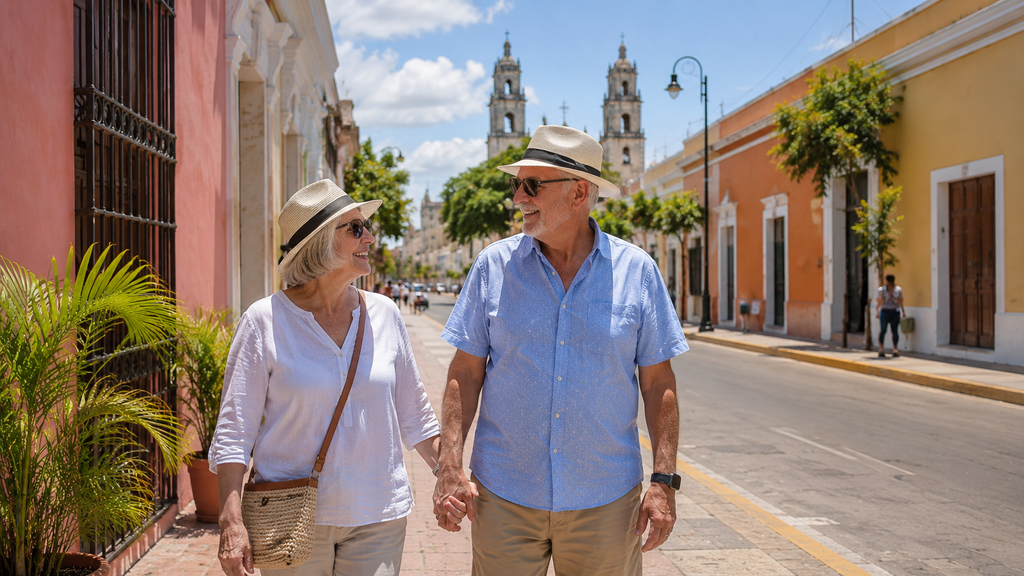
Most foreign retirees come on a temporary resident visa, which allows stays of more than six months and can be renewed for up to four years. This period of temporary residency can later lead to permanent residency for people who meet the applicable requirements.
The process begins at a Mexican consulate in your home country and involves showing a certain level of income or savings. Monthly income requirements vary from one Mexican consulate to another, so a figure that applies at one location should not automatically be assumed to apply everywhere.
Those financial requirements and the fine detail change from year to year, so the most reliable step is to check current figures with the Mexican consulate nearest you, or to use an immigration facilitator who does this for a living.
A Permanent Resident Visa is another route for people who meet the relevant financial, pension or family criteria. Unlike temporary status, a permanent resident visa does not carry the same four-year limit.
A permanent resident can remain in Mexico indefinitely, subject to the applicable immigration rules.
Requirements for a Permanent Resident Visa vary according to the route used, including economic solvency, pension income and qualifying family connections.
If you are already here and need to handle paperwork in person, the National Institute of Migration (Instituto Nacional de Migración, or INM) has an office serving Yucatán at Calle 31 No. 94 between 16 and 20, Col. México, 97125, Mérida, phones (999) 925 6388 and (999) 925 7487, open Monday to Friday from 9:00 to 15:00; there is also an office in Progreso.
First steps, and how we help
Whether you are looking for yourself or for someone you love, a few first steps make the decision easier and safer: visit the homes in person if you can, speak openly about the level of care required, and think about how those needs might change over time. A place that feels right on paper still has to feel right in person.
If you are comparing the cost of living, healthcare, social life and senior-care options before deciding whether to retire in Merida, it helps to compare the total picture rather than one monthly room rate.
For someone researching Mérida from abroad, that means looking beyond the headline cost of a room. Your monthly budget may also need to account for medication, specialist appointments, transportation, additional caregiving and family visits, as well as the possibility that the level of care required will increase later.
The same applies if you are deciding between staying in your own home with support and moving into residential care. The lower cost of living in Mérida can make both options more manageable, but the right choice depends on how much help is actually needed day to day.
Retire Mexico is an independent directory focused specifically on senior living, assisted living, nursing homes and memory care across Mexico. Every retirement home listed on the site is contacted directly and verified by the team, and most are also visited in person. The directory includes information on care types, starting prices, accessibility, healthcare services, amenities and staff language levels so families can compare homes more easily.
If you already have a particular home in mind, Retire Mexico can also help check current availability, confirm pricing for your care situation and arrange an in-person or virtual tour at no cost to you. Because availability and care costs can change quickly, this can be particularly useful when you are trying to organise a move from another city or country.
We are not owned by or formally affiliated with any retirement home. Some homes pay a referral fee when a resident introduced by Retire Mexico moves in, but that fee is paid by the home and does not change what the resident pays.
For families who want more hands-on help, Retire Mexico also offers a separate Personalized Home Match service. A senior living advisor researches homes based on the person’s care needs, budget and timing, confirms real availability and pricing, and presents three suitable options before helping with introductions and tours.
Whether you are trying to find independent living for yourself, assisted living for a parent who needs help with mobility, or nursing or memory care for someone whose needs are more complex, the starting point is the same: tell us who the home is for, what kind of support they need and what budget you are working with.
From there, we can help you understand which options in Mérida are actually worth considering.