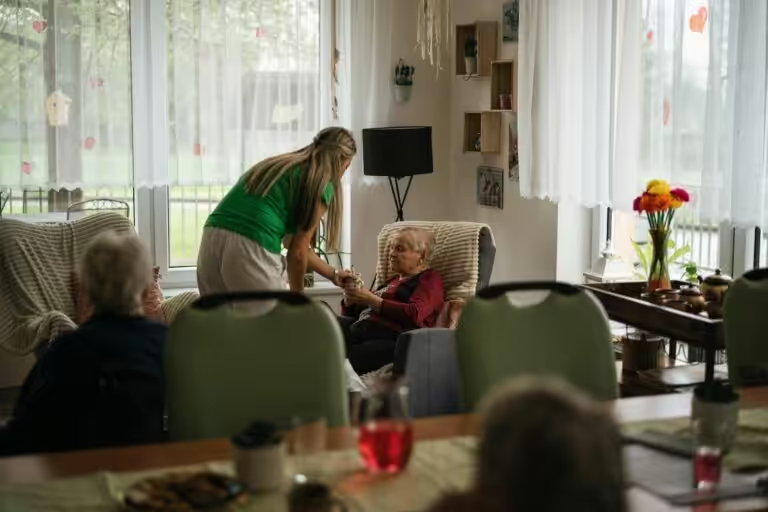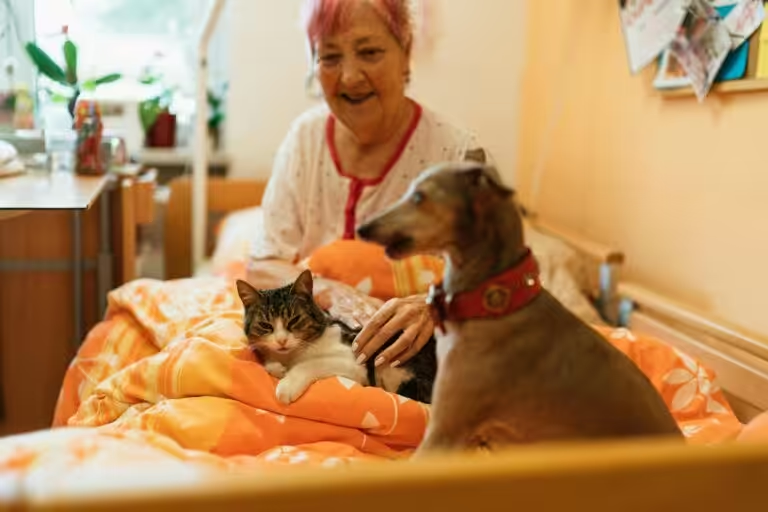
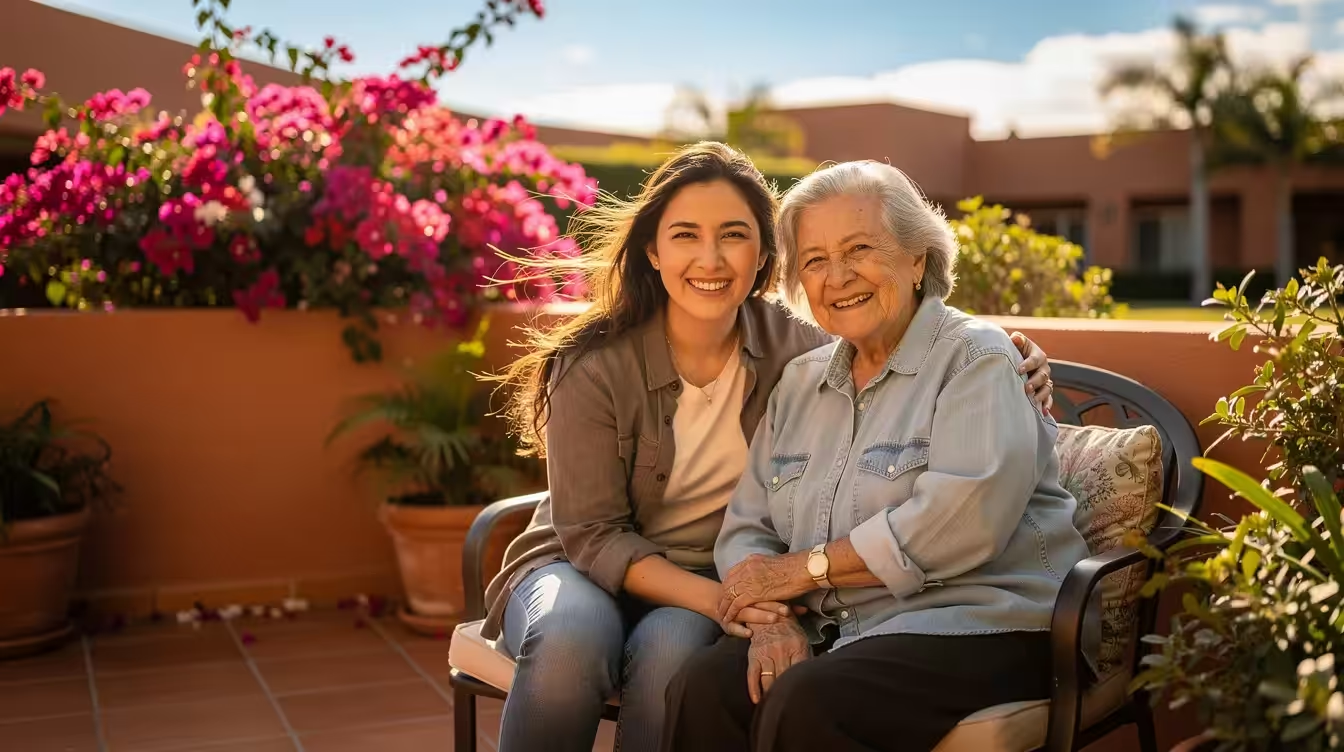
Your parent has settled into a senior living community in Mexico, and now you’re the one booking flights, watching the calendar, and wondering what the visit will actually feel like. Maybe they moved to Lake Chapala or Puerto Vallarta for the climate and the lower cost of care, and you’re still in Toronto, Houston, or Manchester, trying to picture their daily life from a thousand miles away. That distance is the hardest part of cross-border family caregiving, and visiting well is how you close it.
This guide walks you through what to expect on your trips: how often families realistically visit, how to plan a first visit that goes smoothly, where to stay near the facility, what changes when a parent has dementia, and how to stay genuinely connected in the weeks between. The good news is that most senior living communities in Mexico are warm, family-oriented places where your presence is welcomed rather than scheduled around. The harder truth is that long-distance visiting takes planning, and a little of it goes a long way.
How Often Should You Visit a Parent in a Nursing Home or Assisted Living?
There’s no magic number, and anyone who gives you one is guessing. What matters more than how often you visit is consistency and presence. Most families with a parent in a Mexican facility settle into visiting every two to four months and staying a week or two at a time rather than taking quick weekend trips. The flight and the time off work make short visits impractical, so you trade frequency for depth. A relative who comes four times a year and stays ten days is often more present in a parent’s life than someone across town who drops in for twenty minutes after work.
How that looks depends on your situation. If you are retired, you might come for longer stretches, even a month or two at a time, to be close by. If you are still working, your visits will cluster into a few focused trips a year, and that is fine. Either way, try to visit soon after your parent moves in. Many adult children are already there for that part, since they often fly down first to tour facilities and handle the move-in. The early weeks are when your parent most needs a familiar face, and when you will learn the most about the staff, the routines, and whether the community is the right fit.
After that, let the cadence settle around your parent’s health, your budget, and the calendar. Holidays and birthdays make natural anchors. So does the weather if your parent is on the coast, since you may want to time visits outside hurricane season.
Planning Your First Visit: What to Expect When You Arrive
The first visit carries the most emotional weight, both for you and your parent. You’re checking that your parent has truly settled in, and they’re often anxious about whether you’ll approve of the choice they made. Go in with curiosity rather than a clipboard.
Before you fly, call or message the facility to confirm a few things that the brochure won’t tell you. Ask about visiting hours and whether they’re flexible, since family-run residences in Mexico are often relaxed about timing but appreciate a heads-up. Ask whether you can join your parent for a meal, whether there’s a quiet space to talk privately, and whether you can take them out for the day. Most communities are happy to accommodate an outing, but they’ll want to coordinate around medications and meals. It’s worth confirming all of this directly, because visiting policies vary widely from one residence to the next and aren’t something you should assume.
When you arrive, give yourself the first day to simply observe. Notice how staff speak to your parent and to other residents, whether the common areas feel lived-in and clean, and whether your parent seems relaxed around the people caring for them. Many of the facilities in popular retirement areas have bilingual staff, which makes it easier to ask real questions rather than relying on a translator. In the Lake Chapala area especially, English-speaking and bilingual teams are common, and the same is true at several Puerto Vallarta and San Miguel de Allende residences.
One thing that reassures most visiting families: proximity to medical care. In the main retirement destinations, facilities tend to sit very close to hospitals, frequently within five to fifteen minutes. If emergency response matters to you, ask the staff to walk you through exactly what happens if your parent falls or has a medical event at 2 a.m. Hearing the protocol out loud is far more reassuring than reading it on a website.
Where to Stay Near Your Parents’ Senior Living Facility
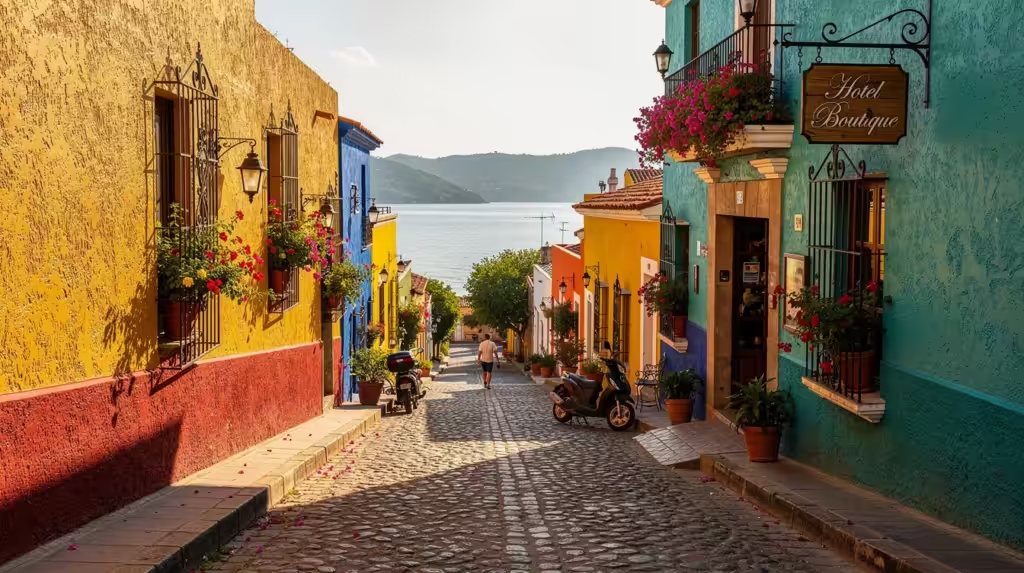
You won’t be staying inside the residence in most cases. A handful of communities offer a guest suite or a co-living arrangement where a family member can stay for an extended visit, but these are the exception, not the rule, so plan to book your own lodging nearby. The upside is that Mexico’s retirement hubs are also tourist towns, so you’ll find everything from boutique hotels to short-term rentals within a short drive of your parent.
Where you land depends on which destination your parent chose. Here’s how the three most common ones break down for visiting families.
| Destination | Nearest major airport | Where families usually stay | Good to know |
| Ajijic & Lake Chapala | Guadalajara (GDL), about 45 minutes away | Boutique hotels and rentals in Ajijic Centro, Riberas del Pilar, San Antonio Tlayacapan | The cheapest and best-connected gateway, with frequent US nonstops. Budget about $35 to $45 for the airport taxi to Ajijic. |
| Puerto Vallarta | Puerto Vallarta (PVR), 15 to 30 minutes from most facilities | Hotels in Centro, Marina Vallarta, or the Zona Romántica near where many residences sit | Easiest for frequent visits, since the airport is in town and most communities are a short taxi ride away. Fares climb in winter high season. |
| San Miguel de Allende | Bajío/León (BJX) or Querétaro (QRO), roughly 1.5 hours each | Hotels and rentals in the historic center, a short drive from facilities in Cieneguita and Los Frailes | Pricier and less direct to reach, with a 1.5 hour transfer from the airport (roughly $25 to $100). Best for fewer, longer stays. |
If your parent is in the Lake Chapala area, you have the most options by far, since it holds the densest concentration of senior care homes in the country. Staying in Ajijic itself puts you within minutes of most residences and within walking distance of cafes and the lakefront, which makes the trip feel less like a logistics exercise and more like a real visit.
Visiting a Parent with Dementia or Alzheimer’s
If your parent has dementia, the visit asks something different of you. They may not remember the date of your last call, and on a hard day they may not place you immediately. That can be painful, but it doesn’t mean your presence isn’t landing. Familiar voices, gentle touch, and calm company register even when names don’t.
A few things make these visits go better. Keep the environment quiet and avoid overwhelming your parent with a large group all at once, especially on the first day. Follow their pace rather than packing the schedule. Bring something with sensory weight, like a favorite song, a familiar photo, or a sweater that smells like home, since these often reach a person with memory loss more directly than conversation does. And resist the urge to quiz them with “Do you remember?” Instead, narrate gently: “It’s me, your daughter Ana, I’m so happy to see you.”
Mexico’s main retirement areas have a real depth of memory care, which is part of why families choose them. Around Lake Chapala, several residences specialize in dementia and Alzheimer’s care, and San Miguel de Allende is home to dedicated memory care centers that handle Alzheimer’s, Parkinson’s, and vascular dementia. When you visit, ask the memory care staff what your parent’s good times of day are, what tends to trigger agitation, and how they like to be comforted. The people who see your parent daily often hold the small details that make your visit gentler.
What to Bring: Gifts and Practical Items for Your Parent
You don’t need to arrive with a suitcase of presents, and in fact the most useful gifts are often the simplest. Think about what closes the distance between visits rather than what looks impressive on arrival.
Photos are the perennial winner: a small printed album or a digital frame loaded with family pictures gives your parent something to return to every day. Comfortable, climate-appropriate clothing is genuinely useful, since the wardrobe they packed for a cooler country may not suit Jalisco or coastal Vallarta. Familiar foods or treats from home, favorite books, puzzles, a soft blanket, or good toiletries all travel well. If your parent uses a phone or tablet, setting it up properly and showing them how to answer a video call may be the most valuable thing you bring on the whole trip.
A quiet word on practicalities: check with the facility before bringing anything that needs refrigeration, electronics that need a converter, or any medication or supplement, since staff coordinate medications carefully and will want to know. And if you’re bringing gifts for a parent with dementia, favor the familiar over the novel. A new gadget can confuse where an old photo comforts.
Staying in Touch Between Visits: Video Calls and Long-Distance Caregiving
The visits matter, but the weeks between them are where the relationship actually lives. This is the core of long-distance caregiving, and it’s very doable with a little structure.
Set a standing video call rather than leaving it to whenever you both remember. A predictable Sunday call, even a short one, gives your parent something to anticipate and gives you a regular read on how they’re doing. If your parent struggles with technology, ask whether a staff member can help them connect at the agreed time, which many bilingual teams are glad to do. WhatsApp is nearly universal in Mexico and is the easiest way to reach both your parent and the facility, so set it up on everyone’s phone before you leave after a visit.
Build a relationship with the staff, not just your parent. The caregivers and administrators are your eyes and ears, and a friendly monthly check-in with them will tell you things your parent might not mention, like a change in appetite or mood. Keep a shared note among siblings so the caregiving doesn’t fall on one person, and agree on who handles which calls. Long-distance caregiving works best as a team sport.
Holiday Visits, Christmas, and Bringing the Grandkids
Holidays are when distance stings most, and they’re also when a visit means the most. A Christmas spent with your parent in their new home, or bringing them out to a rented house for a few days if the facility allows it, can become a new tradition rather than a sad substitute for the old one. Coordinate early with the staff, since the holidays are busy and outings need planning around medication schedules.
Bringing grandchildren along is one of the great gifts of these trips. Children bridge the awkwardness that can creep into adult visits, and a grandparent’s face tends to change completely when a grandchild walks in. Keep visits with young kids shorter and let them be themselves rather than coaching them to perform. For a parent with dementia, a calm grandchild can be a wonderful presence, but read the room and step out if your parent gets overstimulated. The point isn’t a perfect photo. It’s the ordinary warmth of family in the room.

Frequently Asked Questions
Most families abroad visit in person every two to four months and stay a week or longer each time, trading frequency for depth. There’s no rule, so weigh your parents’ health, your budget, and the calendar. The most important visit is an early one in the first month or two after they move in.
Because of the travel involved, plan for longer stays rather than quick trips. A week to ten days lets you settle into your parents’ routine, meet the staff properly, and take them on an outing or two without rushing. Quick weekend visits rarely justify a long-haul flight.
Usually, yes, but confirm with the manager first. Most communities in Mexico welcome day outings and even overnight family stays, but they’ll want to coordinate around medications and meals, especially over busy holiday periods. Always arrange it in advance rather than springing it on the staff.
Photos and a digital frame, comfortable climate-appropriate clothing, familiar foods, books or puzzles, and good toiletries all travel well. Setting up and teaching them a video-calling app is often the most valuable thing you can bring. Check with staff before bringing any medication, supplements, or items needing refrigeration.
Set a standing video call at a predictable time, use WhatsApp to reach both your parent and the facility, and ask whether staff can help your parent connect if technology is a struggle. Check in with the caregivers monthly too, since they’ll flag changes your parent might not mention.
Aim to stay close to their retirement home so you spend less time in taxis and more with your parent, and pick something that fits your budget, since these visits often run a week or more. Mexico’s retirement towns are also tourist destinations, so you will find everything from budget short-term rentals to boutique hotels nearby.
In Ajijic, the town center or nearby Riberas del Pilar puts you minutes from most residences. In Puerto Vallarta, Centro, the Zona Romántica, or Marina Vallarta sit near many facilities. In San Miguel de Allende, the historic center is a short drive from the homes in Cieneguita and Los Frailes. A few residences offer guest accommodation, so it is worth asking, and for a longer stay a rental with a kitchen is usually cheaper and more comfortable than a hotel.
It comes down mostly to the airport. Puerto Vallarta is the most convenient, since you land right in town and most communities are a short taxi ride away. Guadalajara, about 45 minutes from Ajijic and Lake Chapala, is the cheapest and best-connected, with frequent US nonstops. San Miguel de Allende takes the most effort, since you fly into León or Querétaro and then drive around 1.5 hours, so families there tend to visit less often and stay longer. If you expect to come frequently, it is worth weighing how easy and affordable the trip will be when your parent chooses where to settle.
Find the Right Community for Your Parent
Finding the right community is exactly what we do at Retire Mexico. We visit senior living communities in person across Lake Chapala, Puerto Vallarta, San Miguel de Allende, and other retirement areas, and we talk to the people who run them, to local experts, and to families who already have a parent living there. We know the care requirements in Mexico, which communities are properly licensed and compliant, and which have had issues worth knowing about, and we gather all of it into our database and guides so you are not piecing it together from a thousand miles away.
So if you have a particular community in mind, want help narrowing the options to fit your parent’s needs and budget, or would like a hand arranging a tour, whether you are flying down yourself or would rather someone walk through on your behalf, reach out any time. We are glad to help you take the next step.
Last updated: May 2026